Update:
Summer 2026: Digitization of metadata. Photographing thumbnails of slides that do not yet exist. Development of the web gallery continues.
June 29, 2026: Talks with the Olomouc Regional Museum began.
June 8, 2026: Metadata digitization—transcription into a spreadsheet. Identification of people, places, events, and film type. Chronological sorting and filling in missing dates for films.
May 25, 2026: Photographing missing thumbnails of black-and-white negatives (approx. 100 films).
May 15, 2026: Purchase of new parchment safes. Unpacking from old safes, systematic sorting, and cataloging.
April 30, 2026: Purchase of a domain and start of development for the web gallery.
18. 4. 2026: A report on the project by Český rozhlas (Czech Radio).
Current status: A public fundraising campaign is underway that would allow us to dedicate ourselves to digitisation full-time. If you, like me, see value in this project that should be accessible to others, please consider supporting it financially or by sharing it. Without financial support, given the scale of the archive, the entire process could take several years. The project can be found here:
The archive of negatives and slides belonging to my father, photographer Oldřich Kučera, contains approximately twenty thousand frames. He has been taking photographs since he was thirteen and has never stopped. He entered the field of photography professionally through forensic medicine, from which he was dismissed in the early 1980s for political reasons; he returned there once again after 2004. However, he found his greatest passion in documenting the life around him. He gradually became a truly independent photographer who rarely worked on commission, a fact evident in his work.
When I began pursuing photography professionally myself, I became increasingly interested in my father’s photographs. I am intimately familiar with the family albums and the slide shows from my childhood, but he had kept his earlier work “in a drawer.” There are only a few enlarged photographs. For financial reasons, he never got around to publishing them. To my surprise, I discovered an extensive archive of film material that shocked me not only by its volume but also by its relatively precise organisation. As I went through it, I realised that the photographs had to be published — they contain many historically valuable documents.
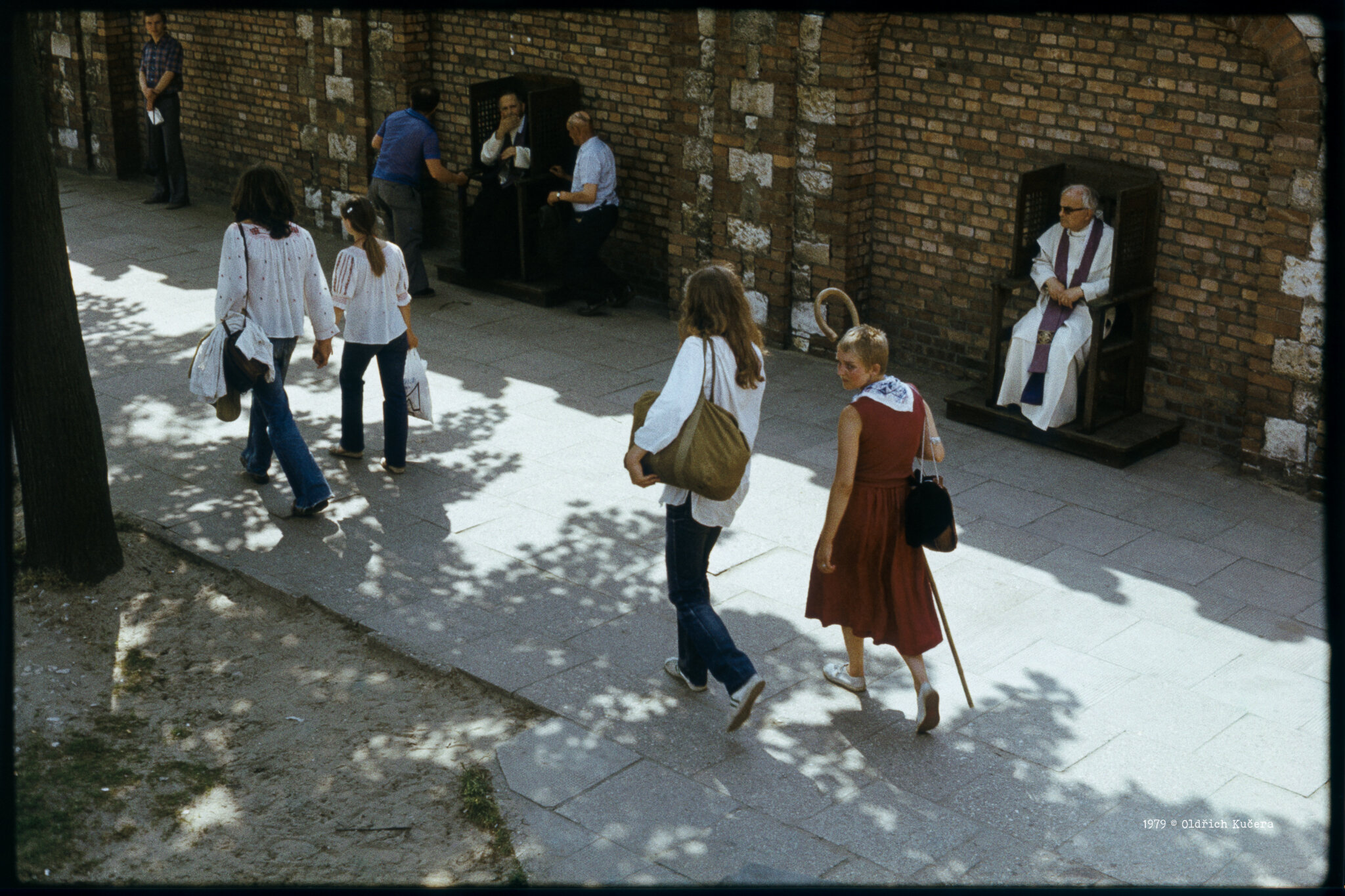
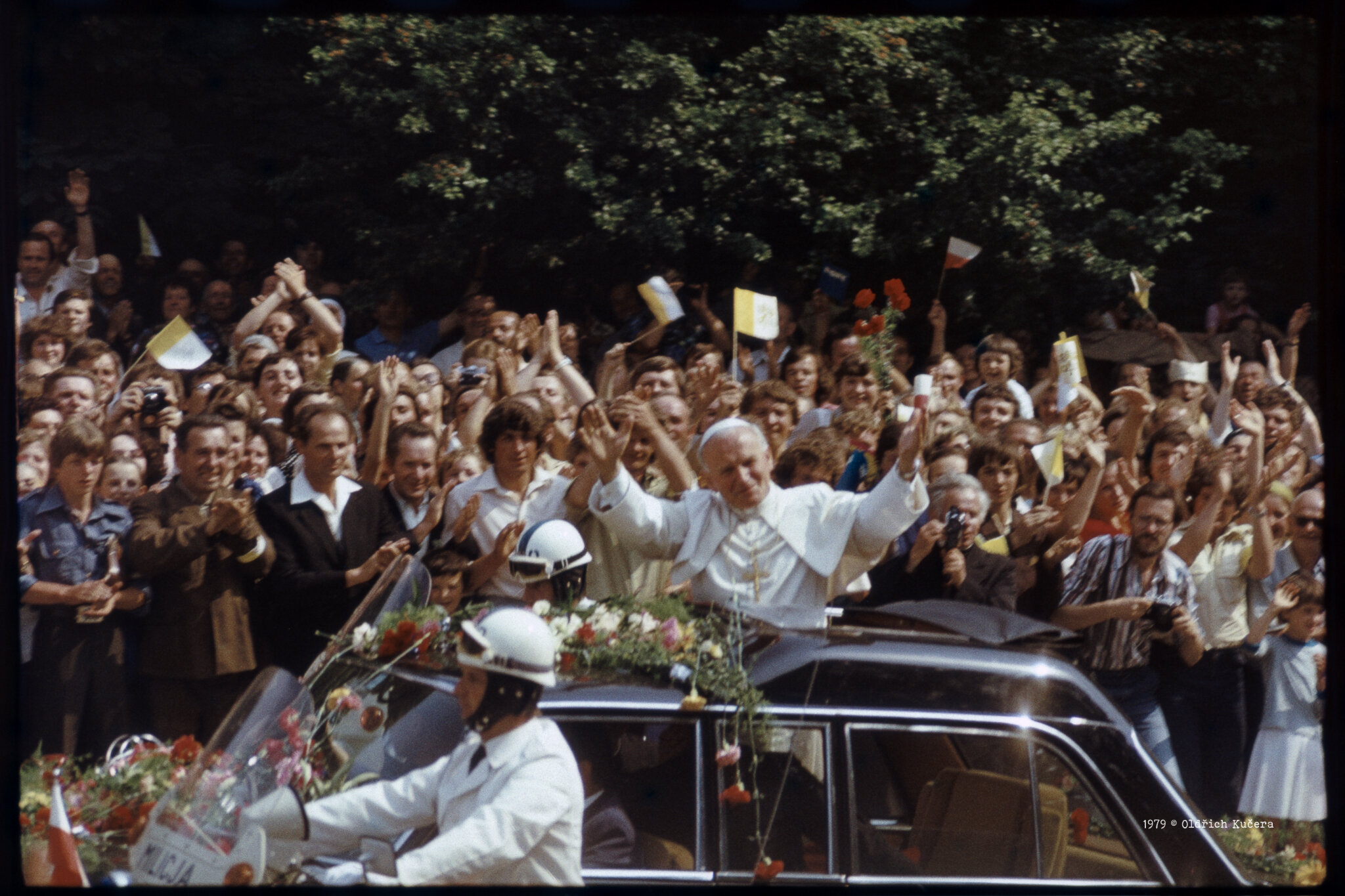
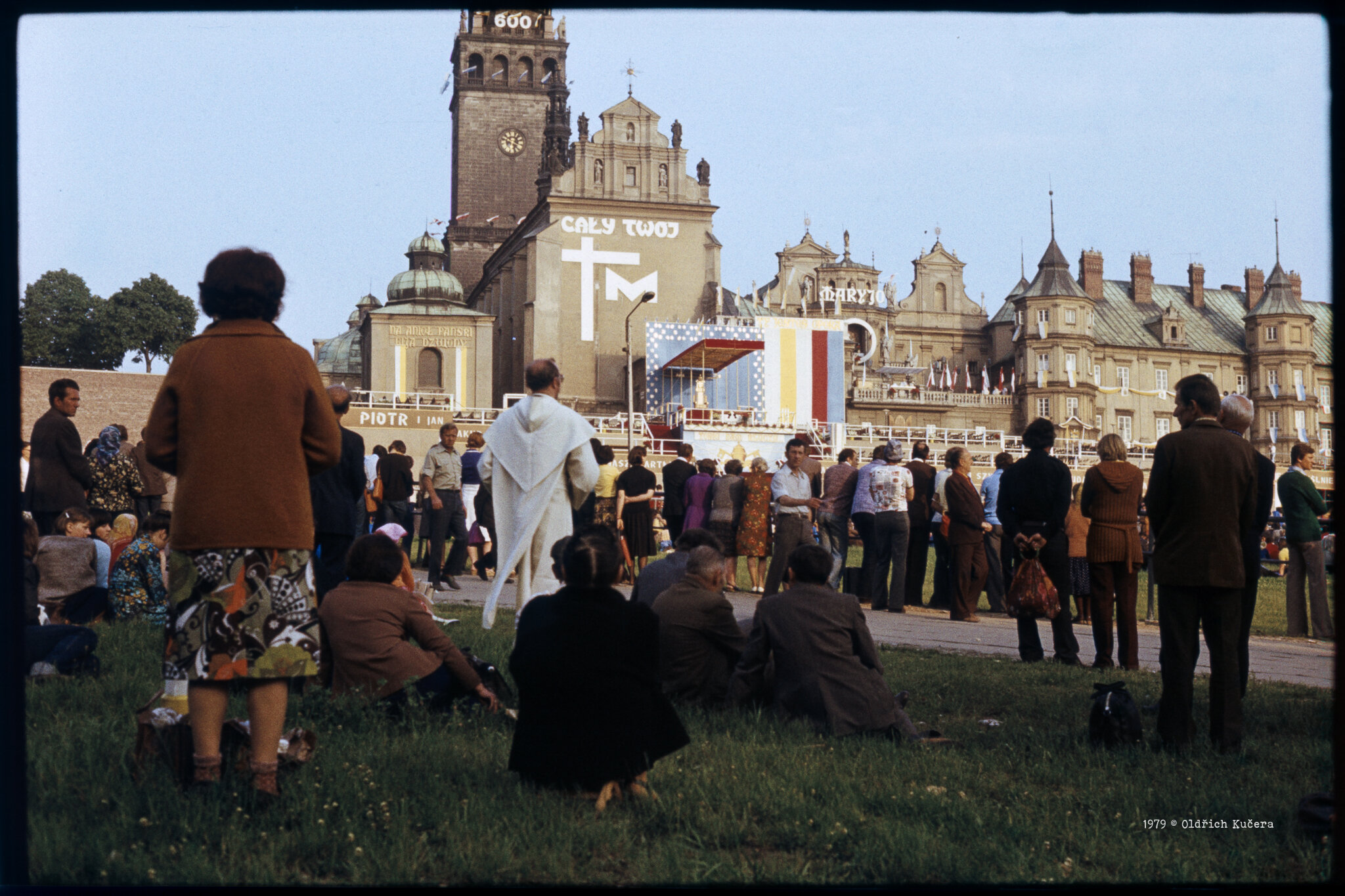
For example the first visit of Johan Paul II. in Poland in 1979, fr. Roger from Taizé community in Prague in 80’s, Buddy Rich on jazz festival, The Velvet Revolution in Czechoslovakia in 1989, underground — an illegal catholic movement, Mather Teresa in Brno in 1985, Petr Eben (Czechoslovakian classical composer), folk singers like Jaroslav Hutka, Jaromír Nohavica, Vladimír Merta or Vlastimil Třešňák and many, many more.


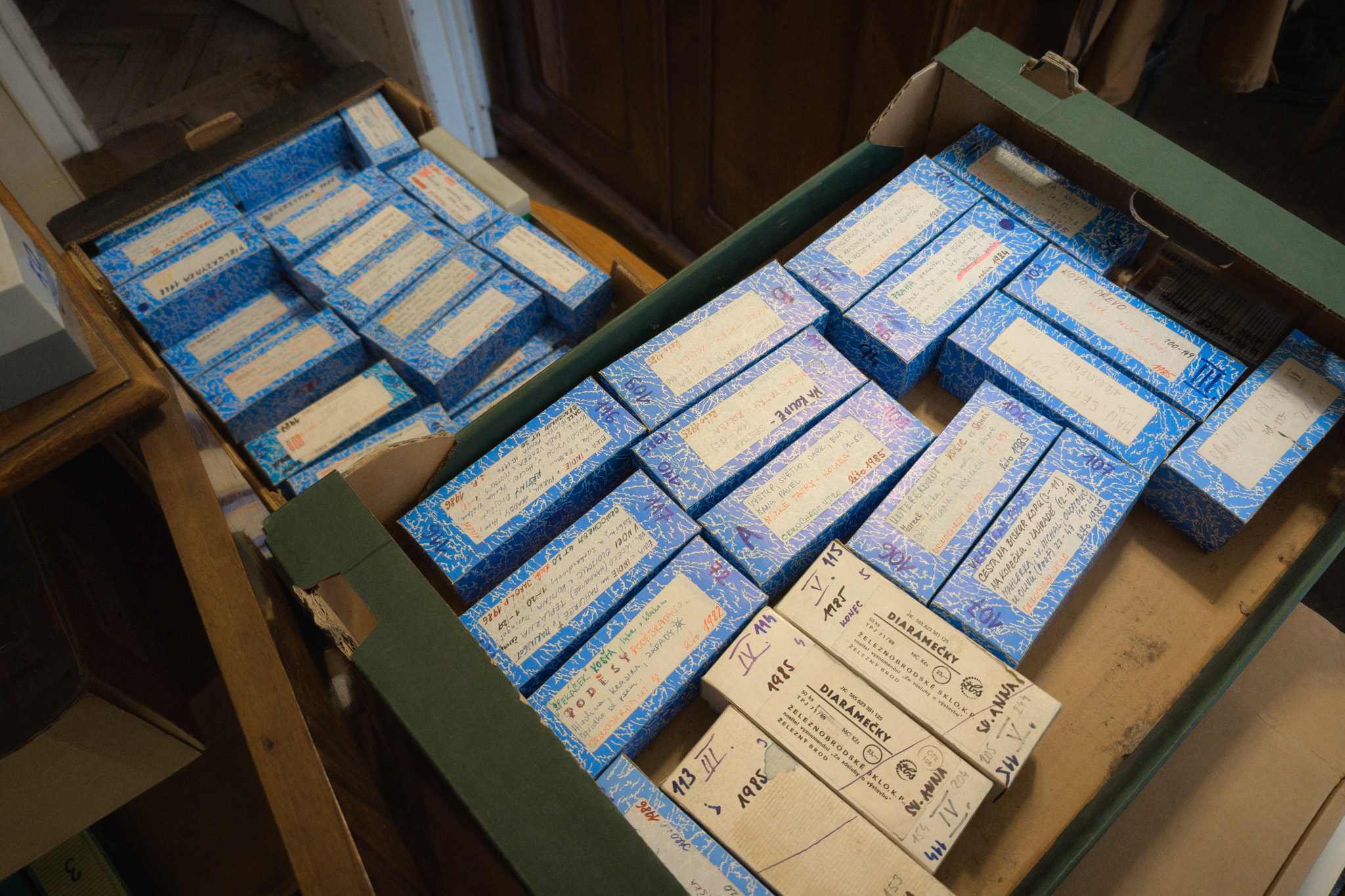

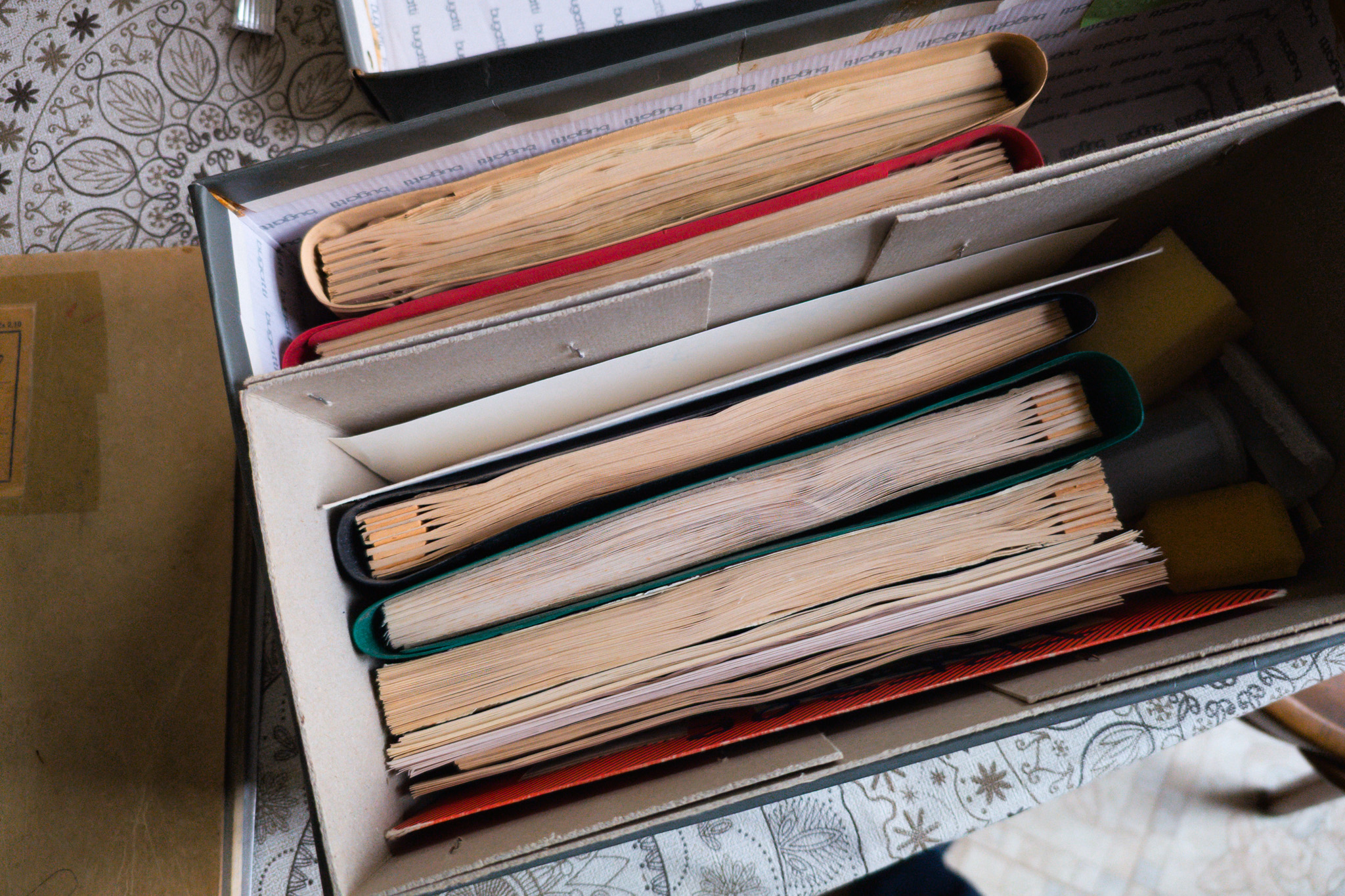
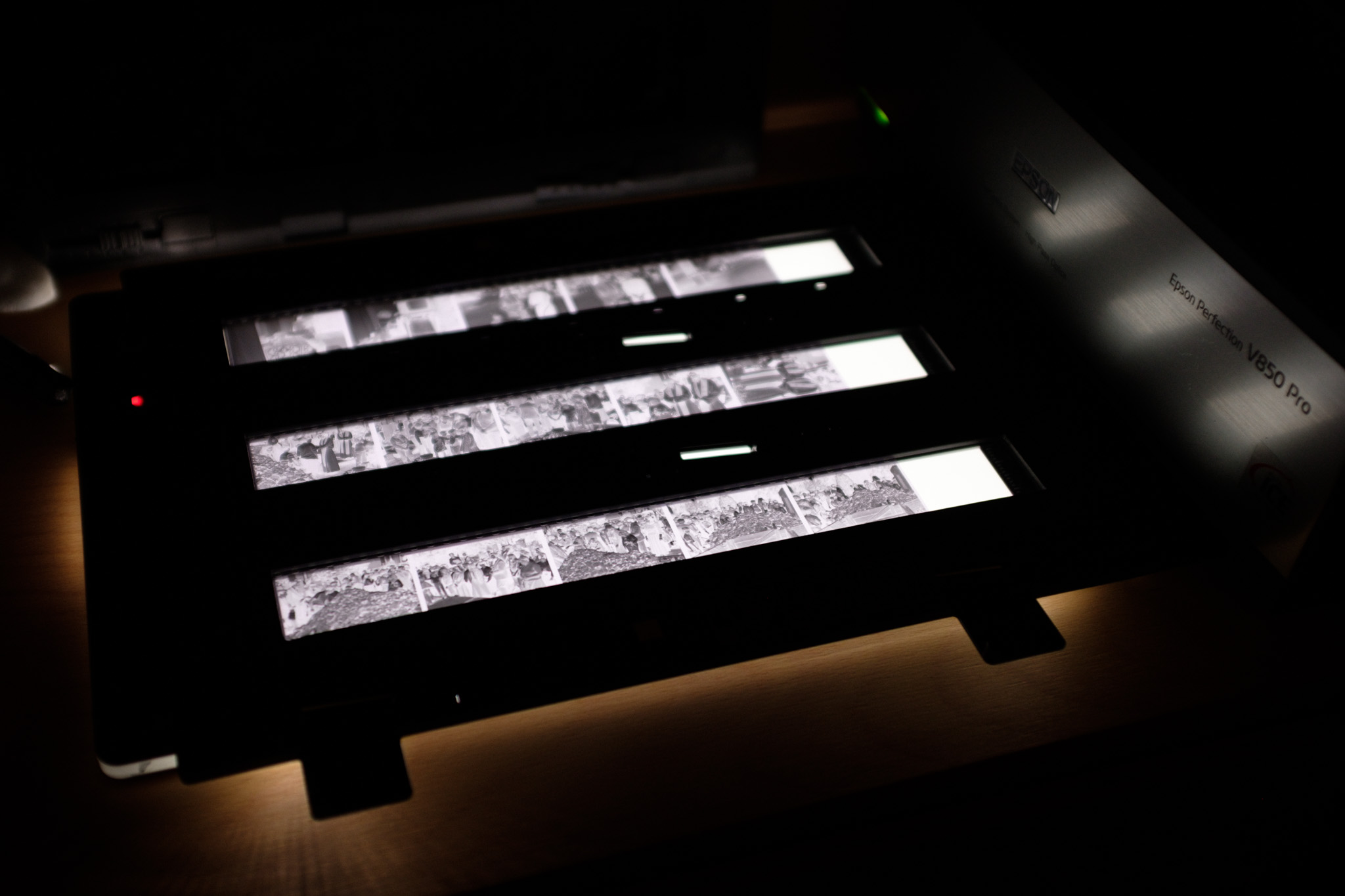
In 2019, we filmed a short documentary that briefly presents a cross-section of his life’s work. A year later, we acquired the necessary scanning equipment (Epson V850 Pro) and licenses for professional software (VueScan, Negative Lab Pro). We gradually began organising the archive. Although it is systematically archived, not all materials are fully labelled. Only the author knows the descriptions and remember context. At the same time, I began focusing on the technical process of scanning and mastering systematic organisation, which is essential for digitisation.
I slowly realised that scanning “in the evenings” is not sustainable in the long run, given the demands on my personal life and the time-consuming nature of the entire process. At the current pace, my father might not live to see the archive published. That is why we are seeking financial resources that would allow us to significantly speed up the digitisation process.



Lists of the photo archive contents
The lists are published for browsing. I recommend going through them carefully—the archive is extensive and the lists are not yet complete.
- Color slides (1975–2002) — approx. 18 slide rolls missing
- Black-and-white negatives (1976–1991) — approx. 50 negative rolls missing, currently awaiting sorting and description
- Preview prints of black-and-white negatives (1975–1981 + part of the 1980s; roughly half of the total black-and-white negatives are missing)
There are no preview images for the slides. Copies of black-and-white negatives after 1981 cannot be fully located—we have only found some. In this regard, the text-based lists are more complete.
You might find an event in the archive that you attended, a loved one, or even yourself. Or perhaps you’re simply curious to see what has been preserved in the film footage. I would appreciate your support for the project, and please let me know if you’re interested in having specific films digitised.
KEYWORDS:
Places: Olomouc, Moravský Beroun, Praha, Prostějov, Jeseníky, chata Švýcárna, Sv. Kopeček, Dóm, katedrála sv. Víta, katedrála sv. Václava, U Muzea, Wrocław, Warszawa, Prudnik, Ojców, Kielce, Lublin, Plumlov, Kružberk, Vysoké Tatry, Český Těšín, Brno, příroda, město, ulice, les, vlak, hospoda, Košice, Slanec, klášter, Dolní Kounice, Uničov, Řím, Vatikán, Paříž, kostel sv. Jiljí v Praze, Jelenia Góra, Velehrad, Pavlovičky Pila, Králický Sněžník, Pálava, Klentnice, fara, Velehrad, Radíkov, Lipník nad Bečvou, Nízké Tatry, Určice, Taizé
Persons: Matka Tereza, Jan Pavel II., Buddy Rich, fr. Roger, fr. Alois, Petr Eben, Jaroslav Hutka, Karel Kryl, Jaromír Nohavica, Vladimír Merta, Vlastimil Třešňák, kardinál František Tomášek, kardinál Bernardin Gantin, Slávek Havran, Marie Havranová, Zdislav Havran, Tomáš Vážan, Vladimír Matoušek, Vlasta Matoušková, Marian Jahoda (Mánek), Ludmila Svobodová, Jana Smahelová, Marie Kaplanová, Vít Pelikán, Hana Pelikánová, František Lízna, Josef Kvapil, Jarka Kvapilová, Tomáš Kvapil, Olga Kvapilová, Pavel Kvapil, Pavel Kupka, Jan Hirschner, Eliška Hirschnerová, Hana Galisová, Jiří Števich, Josef Zvěřina, Roman Kupka, Kateřina Kupková, Rafal, Andrzej Szpak, Zenek Czarny, Jan Kupka (Žany), Otmar Oliva, Olga Otmarová, Hynek Suchánek, Eva Hyžáková, Inka Kalodová, Jan Kaloda, Roman Jurečka, Josef Štěpánek, Jitka Štěpánková, Marie Mléčková, Pavel Mléčka, Dagmar Havlíčková, Jindřich Štreit, Marek Trizuljak, Jan Jemelka, Daniela Pazderová, Václav Pazdera, Ruda Kopecký, Jaroslav Novotný, Věra Novotná, Zdislava Vyvozilová, Jana Vyvozilová, Zuzana Brochová, Otto Broch, Marcela Řezníčková, Radek Řezníček, Luboš Nágl, Stanislava Náglová, Ladislav Večeřa, Alena Večeřová, Heda Tělupilová, Ladislav Šnevajs, Jan Kouřil, Jack, Tomáš Kouřil, Pavel Janošík, Pavel Fráňa, Peter Fráňa, Miloš Koutecký, Milena Valušková, Václav Burian, Vojtěch Fišer, Věrka Vlčková, Zuzana Cukrová, Jiří Kočenda, Pavel Uhřík, pí. Šišmová, Miloš Košíček, Světlana Košíčková, Eliška Kovalová, Alexandra Dopitová, Pavel Lexmaul, Jiří Kaplan, Martina Hošková, Heda Danišová, Julek Varga, Marta Lipusová, Petr Jung, Ilja Klement, Petr Večeřa, Antonín Lukeš, Iva Jeništová, Luboš Jeništa, Drahomíra Venkrbcová, Mirek Venkrbec, Jarek Kučera, Zdenek Kowalczuk, Ajka Kowalczuková, Iva Kalodová, Hieronim Kaczmarek, Ladislav Švec, Khali Švecová, Jiří Hejtmánek (fakír), budhista, hippies, Romové, Hare Krišna, Ivan Pelíšek, Zuzana Pelíšková, Juky Juhaňák (Juhy), Václav Ztratil, Jiří Stejskal, Leoš Mrtvý, Lenka Dostálová, Andrea Šenkyříková, Laco Garaj, Václav Ztratil, Pavel Vltavský (Zrzek), Pavel Langer, Bohumila Langerová, Ruda Saitz, Hohén, Bóchalka, Vladoš, Jiří Středa, Simona, Zbyněk Záboj, Plachta, Martina, Gemin, Gogin, Čiko, Kisin, Babka, Indoš, Ivan Tlustý (Ivánek), Pavel Medek, Jája Fridrichová, Libor Helešic (Brácha), Jirka Kugler (Malý Vlnča), Milan Helešic (Filé), Jan Bašný (Fürča), Petr Hrdina, Luba Hrdinová, Tomáš Halík
Events: Olomouc Folk Festival, Bratislava Jazz Days, Vladyk’s Wedding, jazz, festival, travel, Taizé gathering, confirmation, pilgrimage, baptism, Exhibition of Independent Artists in Uničov, pilgrimage for the canonization of Agnes of Bohemia in Rome, Independent Culture Festival, underground, Velvet Revolution, general strike, communism, socialism, totalitarianism, dinner, funeral, Mass, Corpus Christi, retreat, Kamenka Open, The Plastic People of the Universe, Shakti, Free Jazz Trio
Genres: portrait, social portrait, landscape, documentary, concert, wedding, architecture, still life, religion, culture, politics
Keywords related to the content of the photos in the archive.
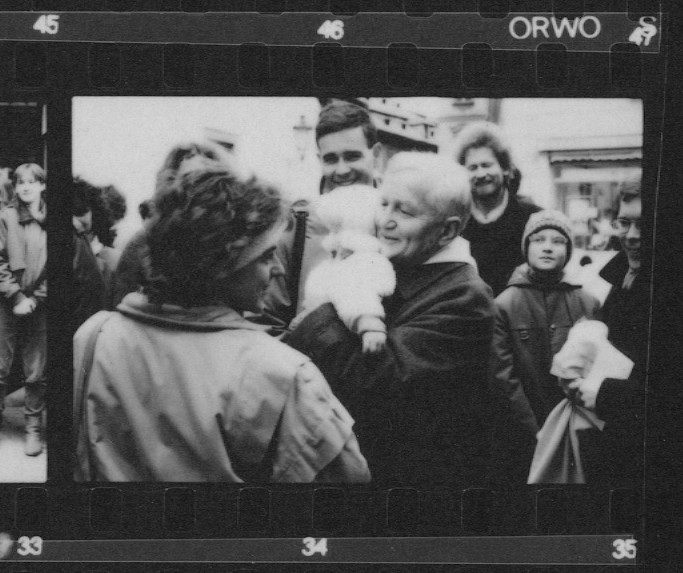
Fr. Roger v Praze

Fr. Roger v Praze
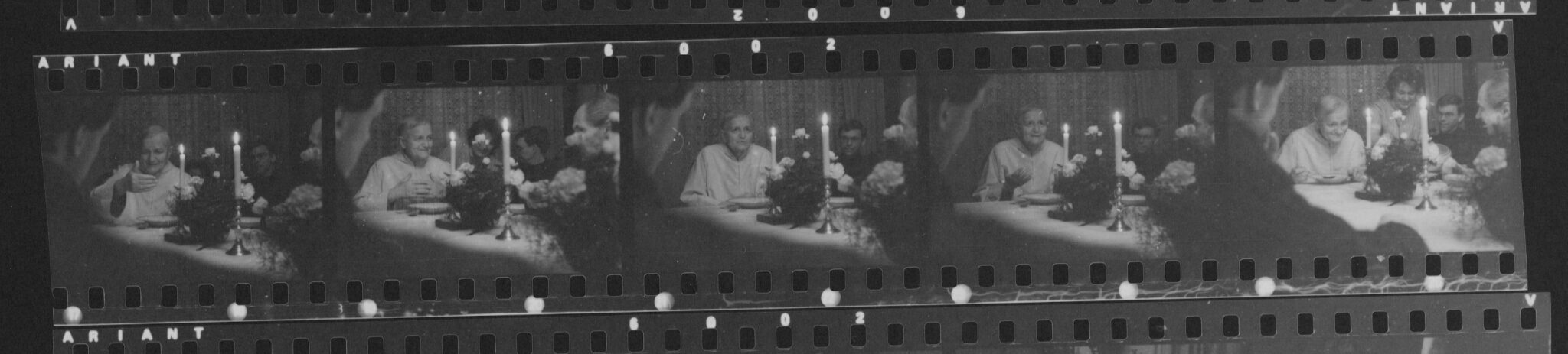
Fr. Roger u Kaplanů
Buddy Rich

Demonstrace za náboženskou svobodu v Olomouci

Objective
The funds raised through the public campaign are intended to cover the digitisation of most of the archive and the creation of a website showcasing the artist’s life’s work. Given the scope of the project, I am also considering creating an online catalogue in which the photographs would be systematically organised by keywords, allowing users to search for specific events by date, location, or person.
Given the large number of portraits, I would also like to send the photographs to the families and relatives depicted in them.
If there is interest and sufficient funding, I would also like to publish a thematically focused photo book and organise exhibitions featuring large-format prints (these are not included in the campaign budget).
Thank you for your support in making this project a reality.
Samples of newly digitised material
Black-and-white negatives.
Portrét.

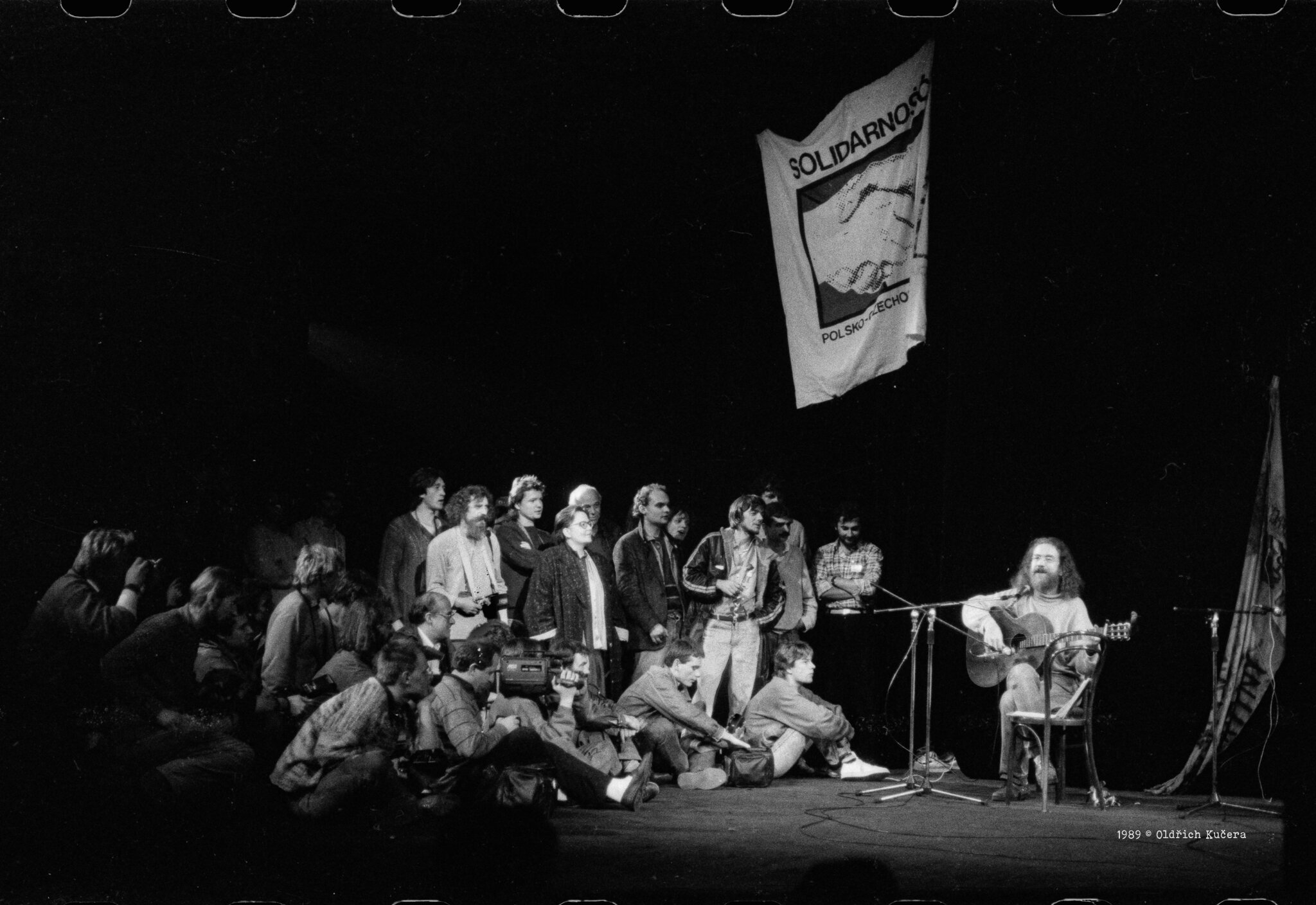
Jaroslav Hutka na festivalu nezávislé kultury ve Vraclavi
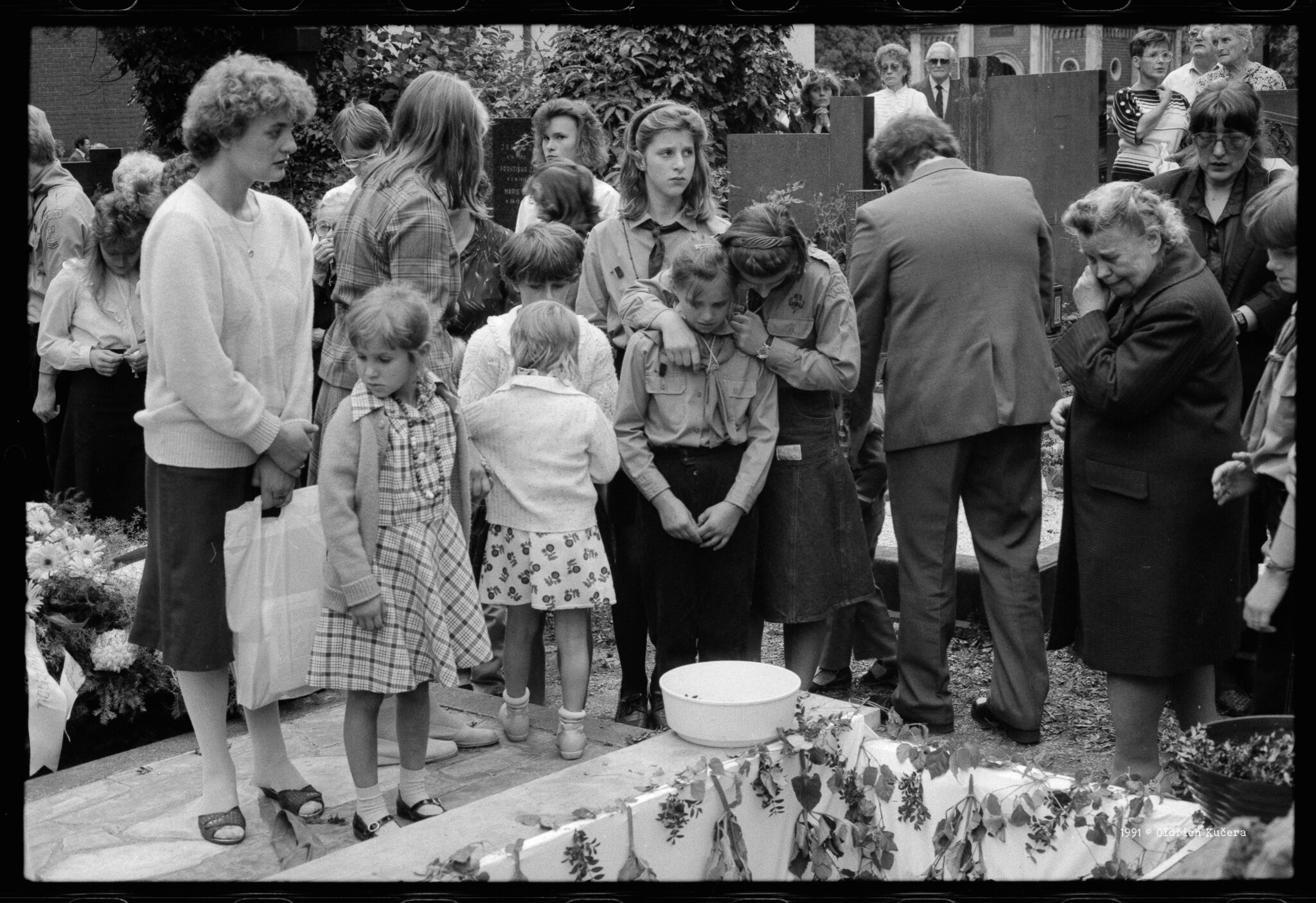
Pohřeb p. Pavla Kupky.
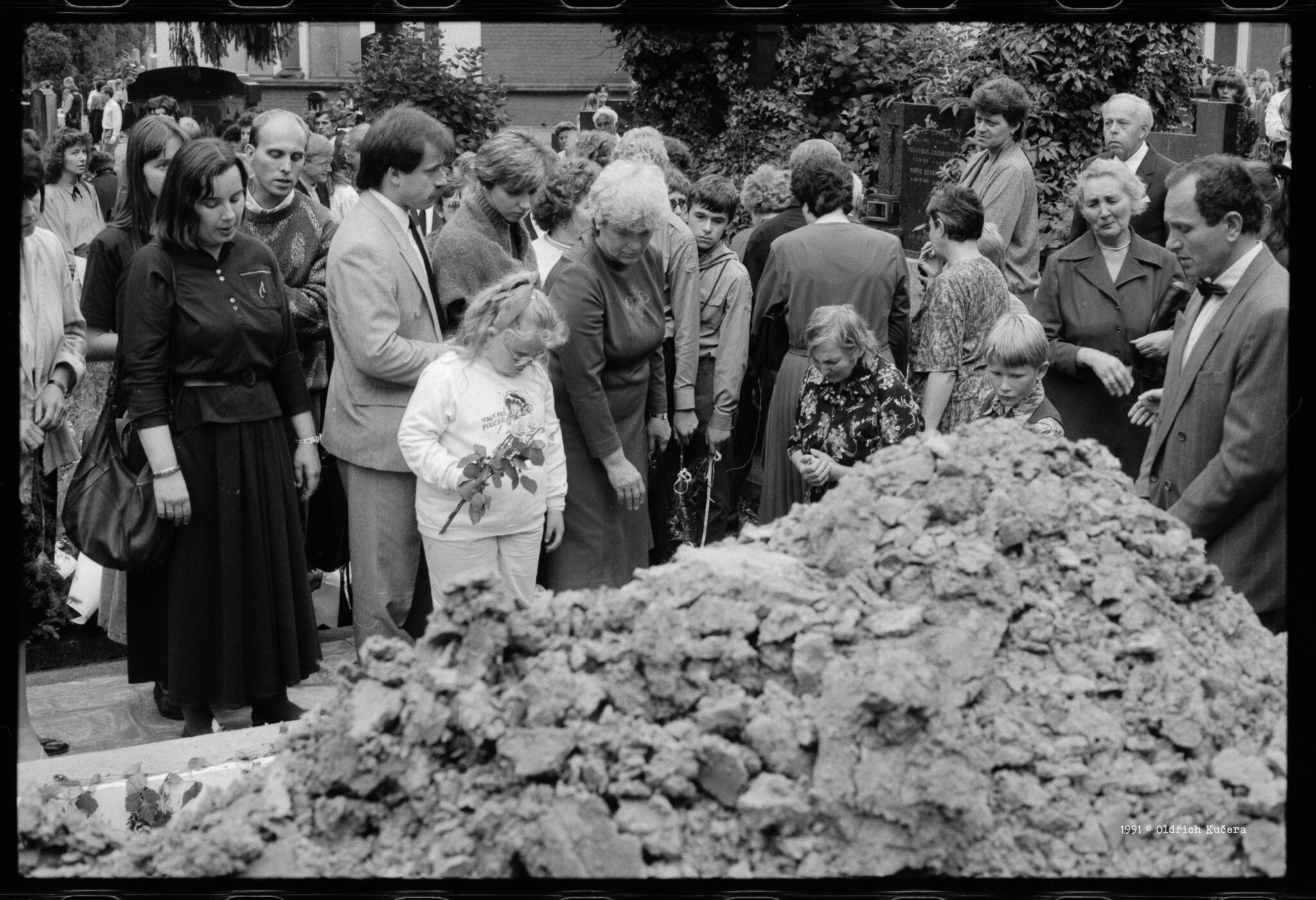
Pohřeb p. Pavla Kupky.
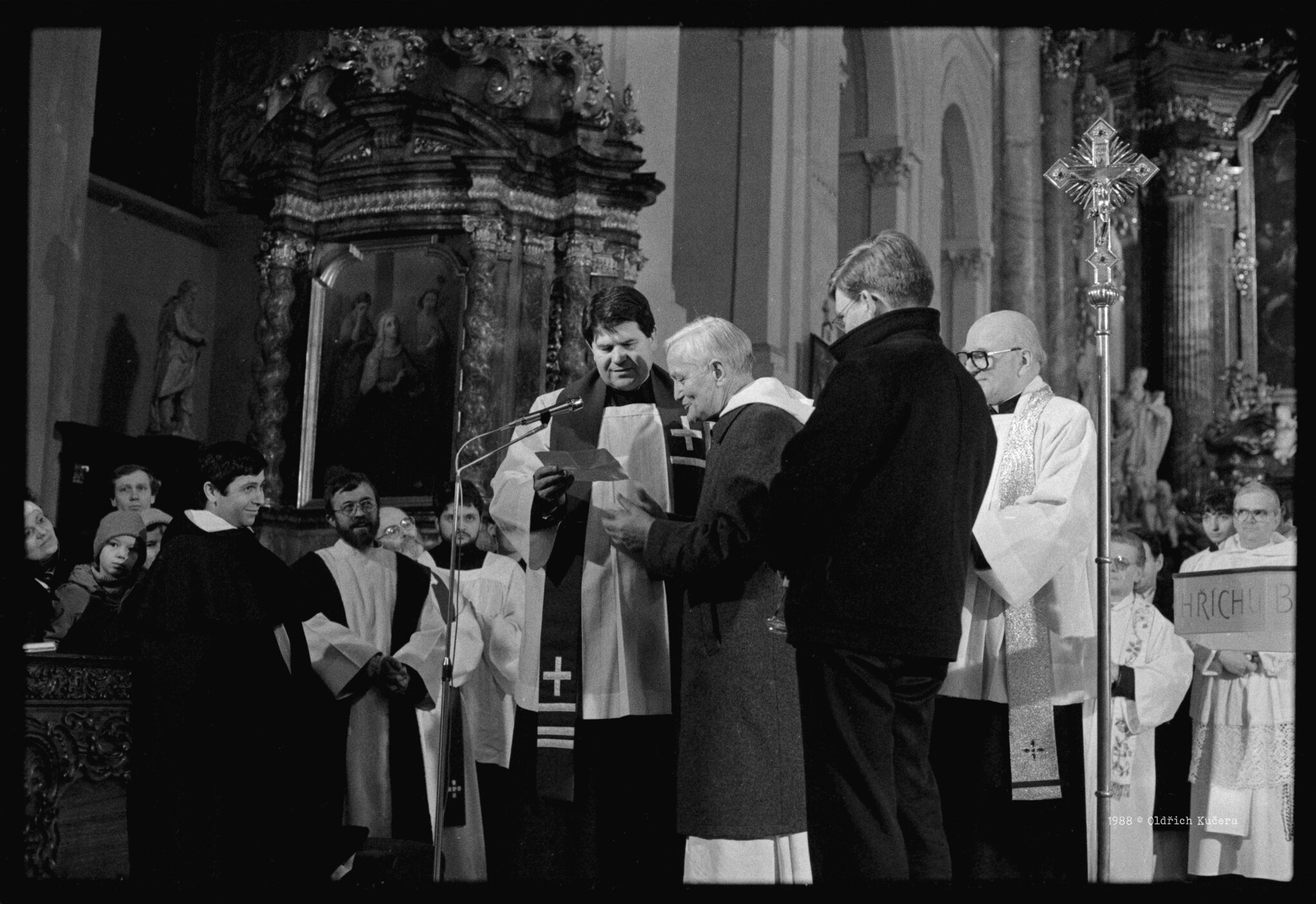
fr. Roger, Praha, Salvátor
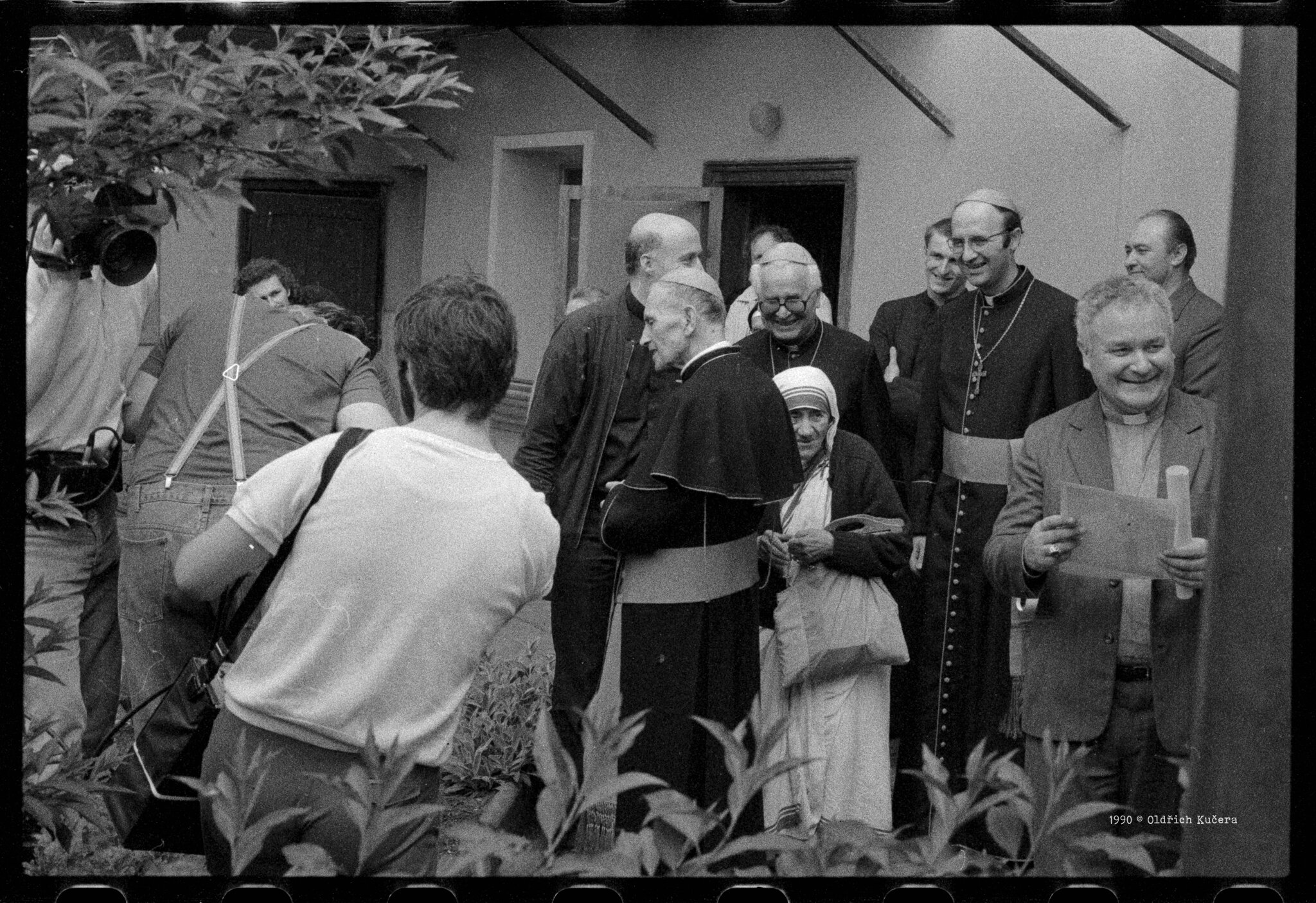
Matka Tereza v Olomouci
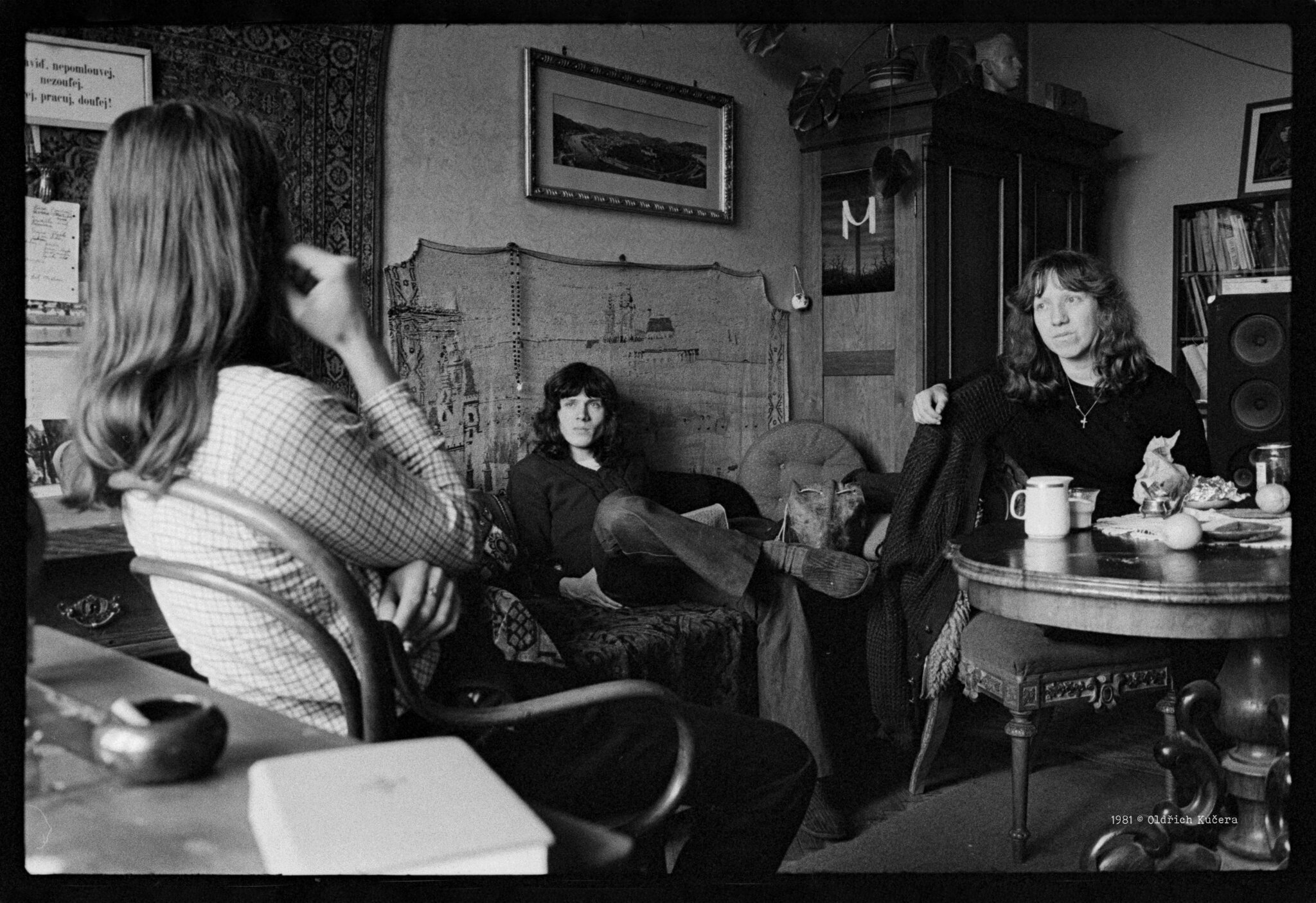
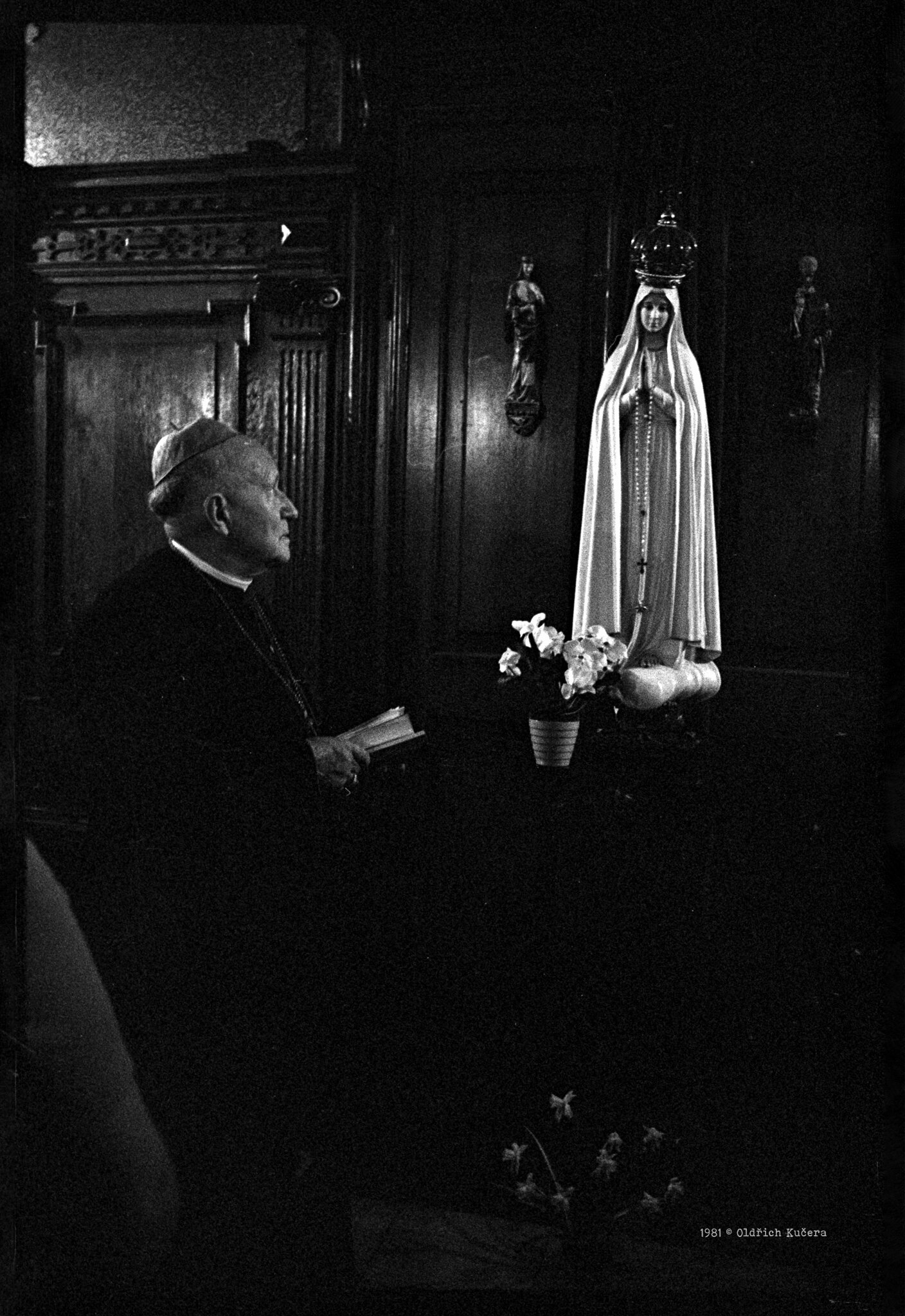
Kardinál Tomášek
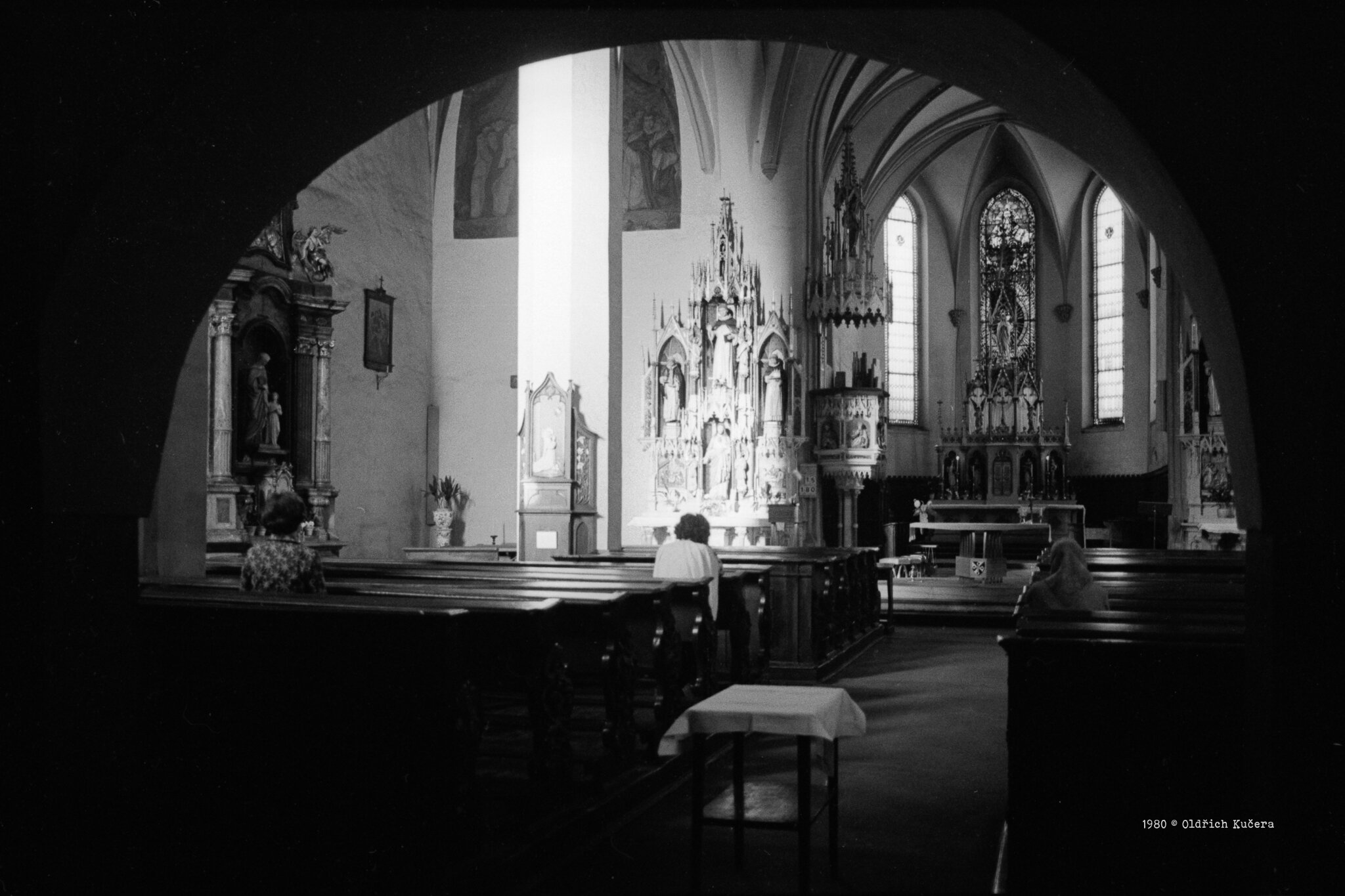
Interiér kostela Neposkvrněného Početí Panny Marie, dominikáni Olomouc.
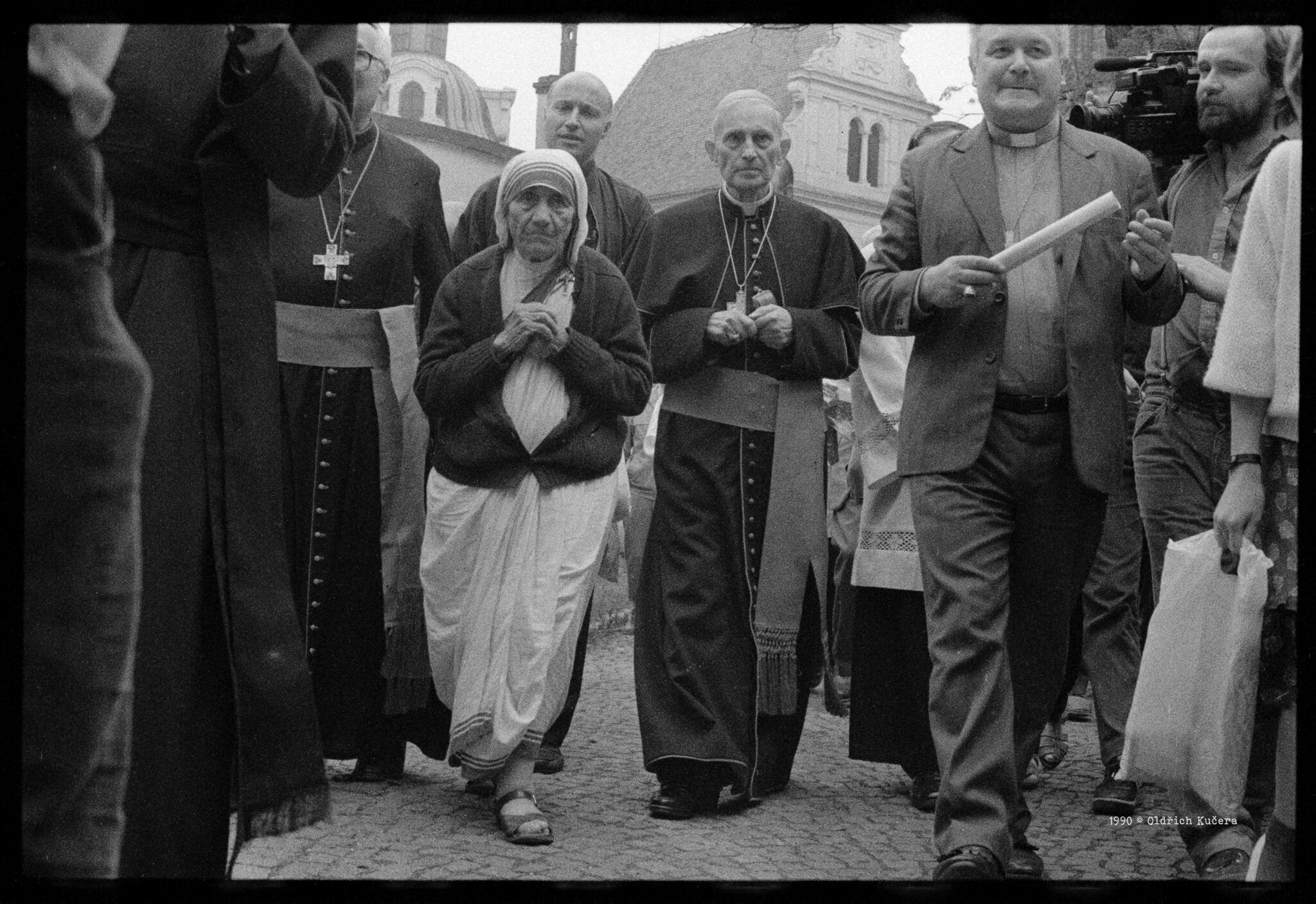
Matka Tereza v Olomouci
V hale ÚP během generální stávky.

Ewa a Andrzej Szpak
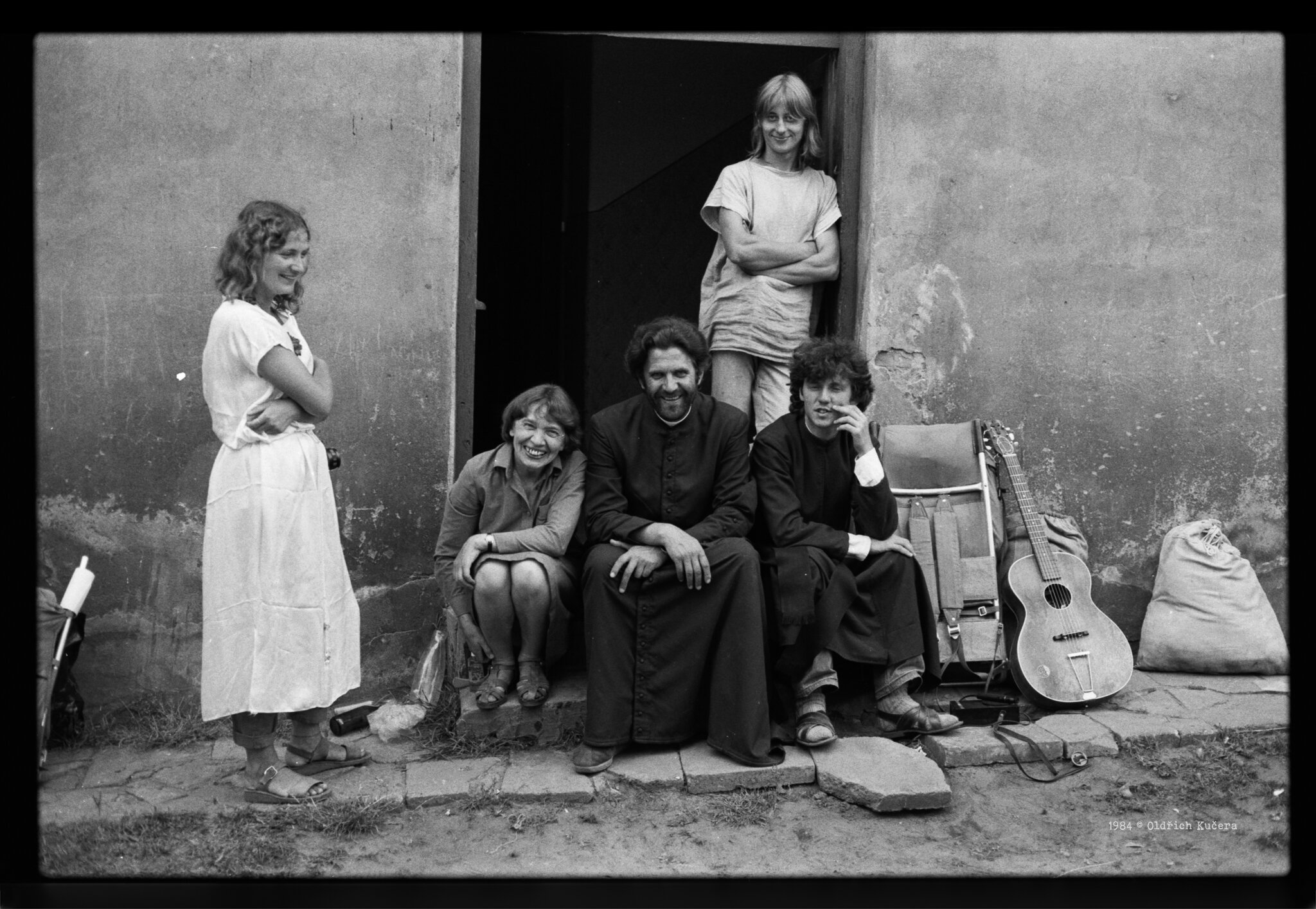
Andrzej Szpak
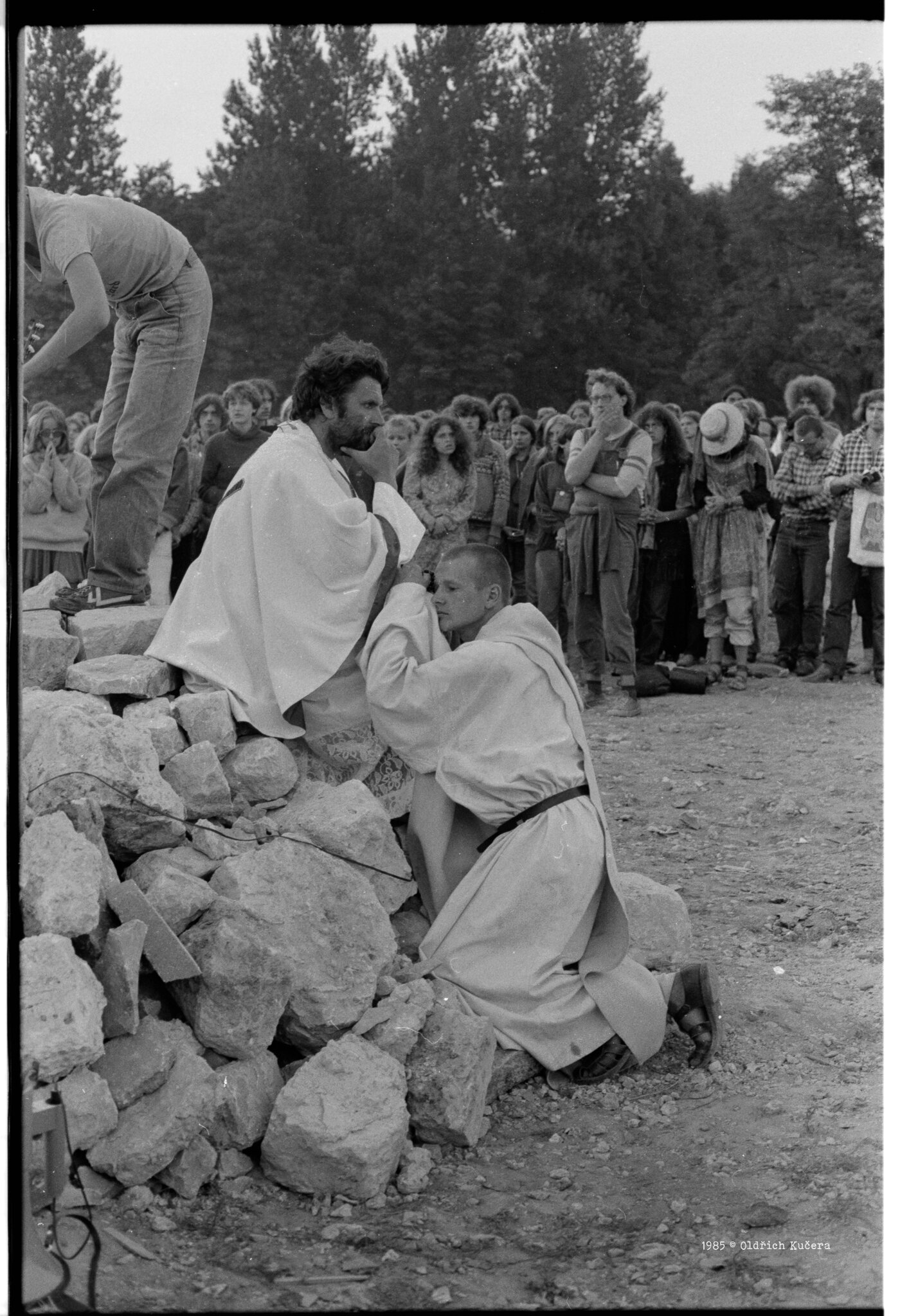
Matka Tereza v Olomouci
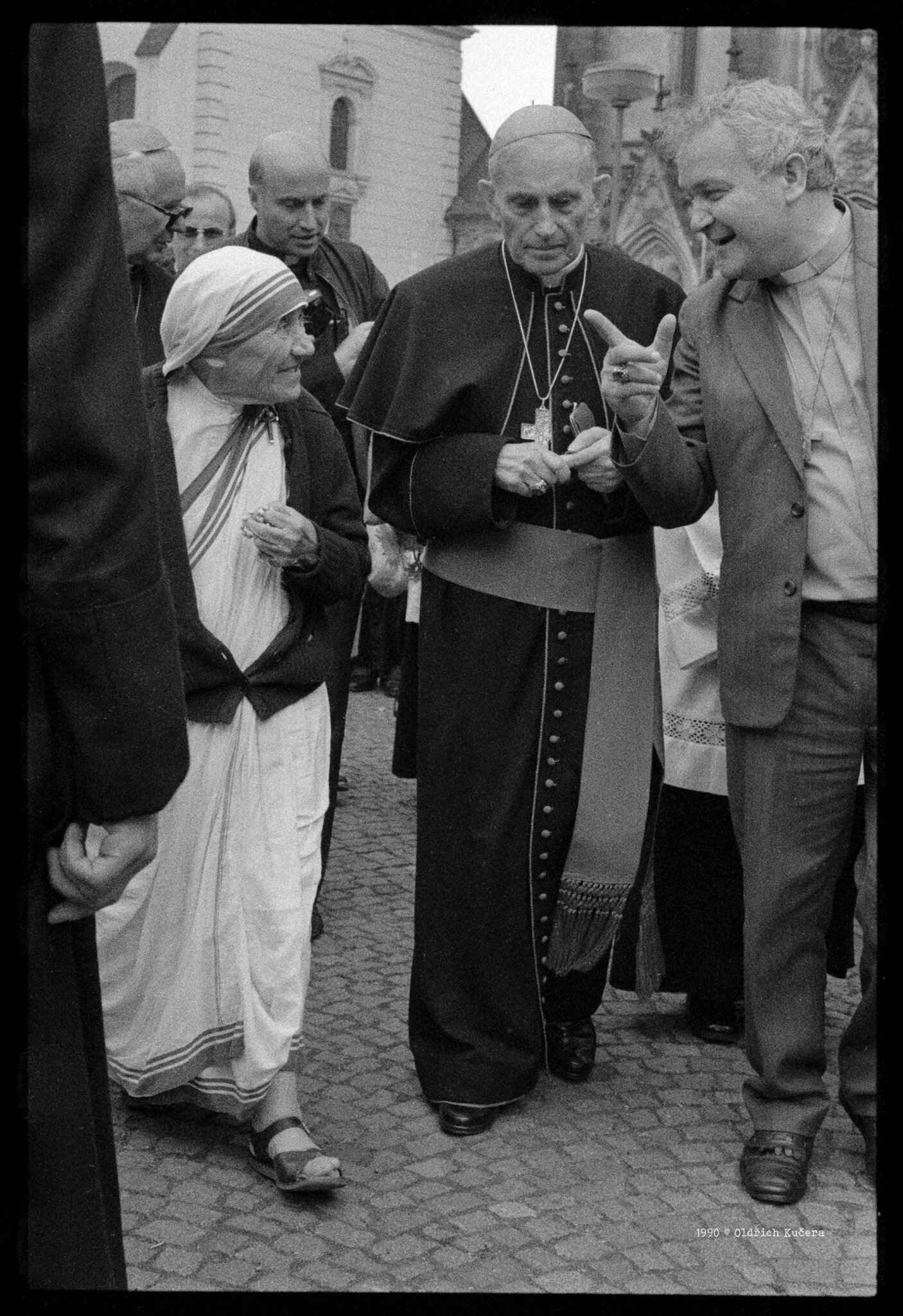
Fr. Roger s Marii Kaplanovou ve vile v Praze.

Jarka Kvapilová s dětmi před bazilikou na Sv. Kopečku.

Poutnice
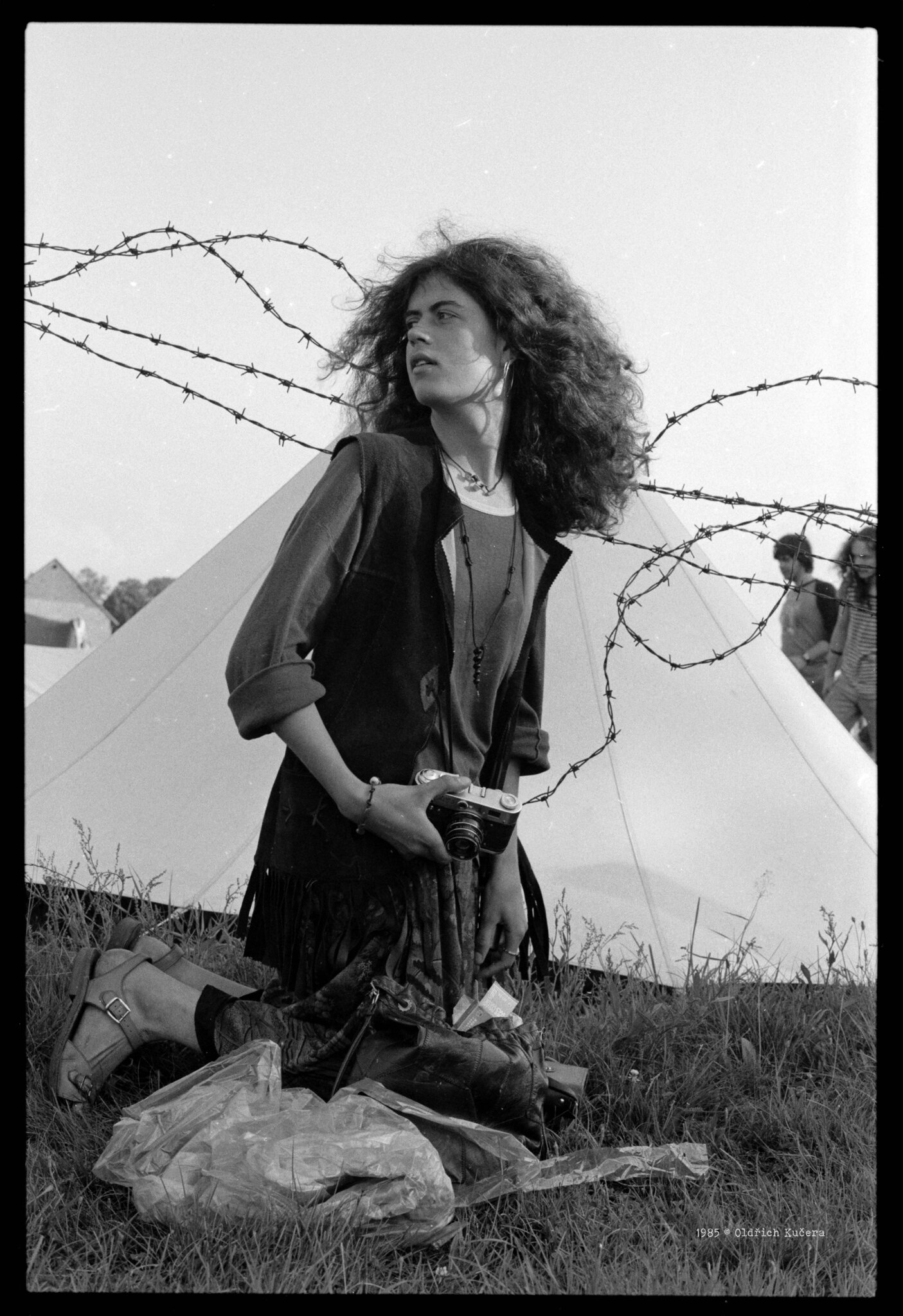
Karel Kryl na festivalu nezávislé kultury ve Vraclavi
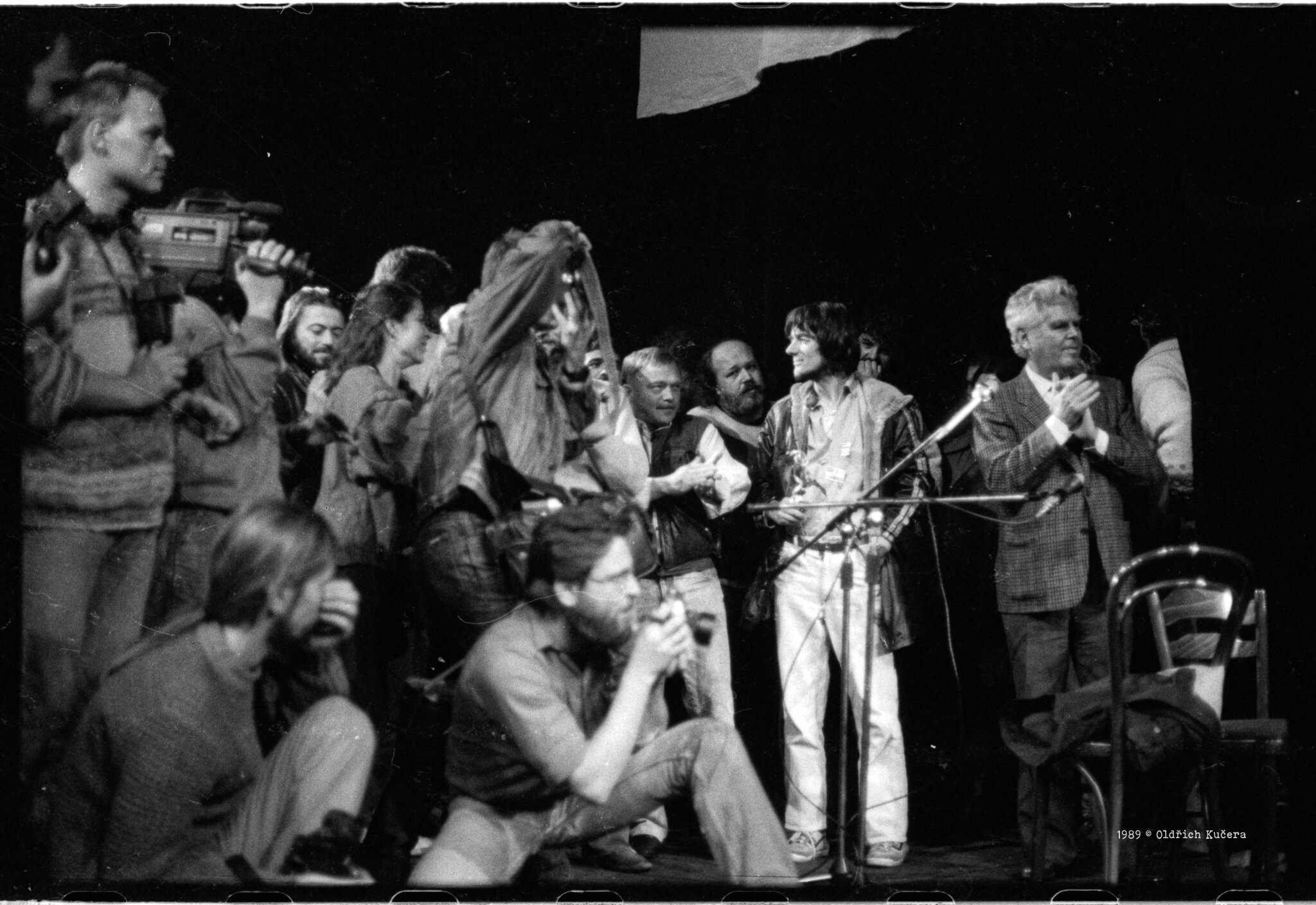
Fr. Roger u sv. Jiljí v Praze
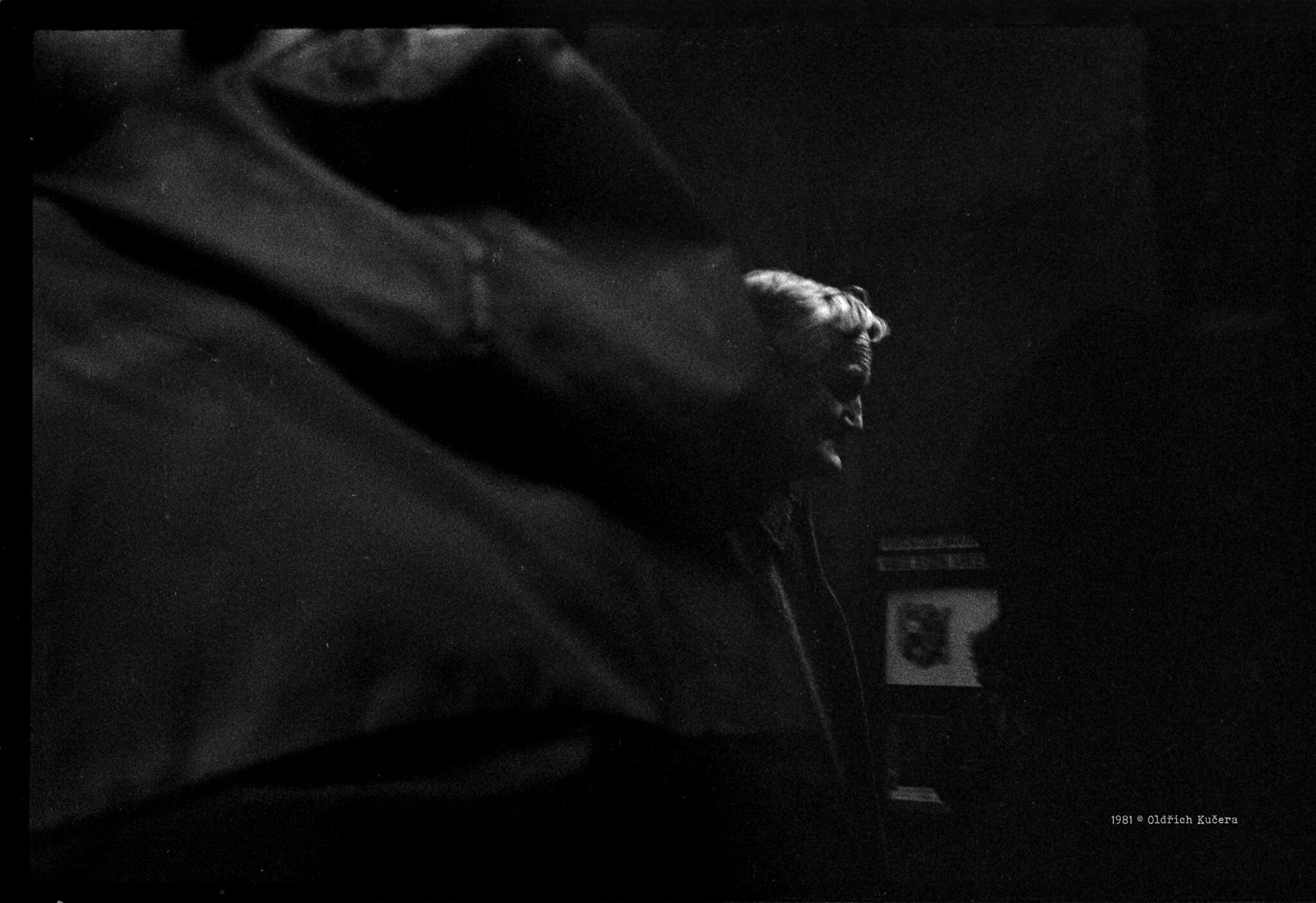
Tomáš a Olinka Kvapilovi během svatebního dne.

Andrzej Szpak

Bratr Roger v Praze
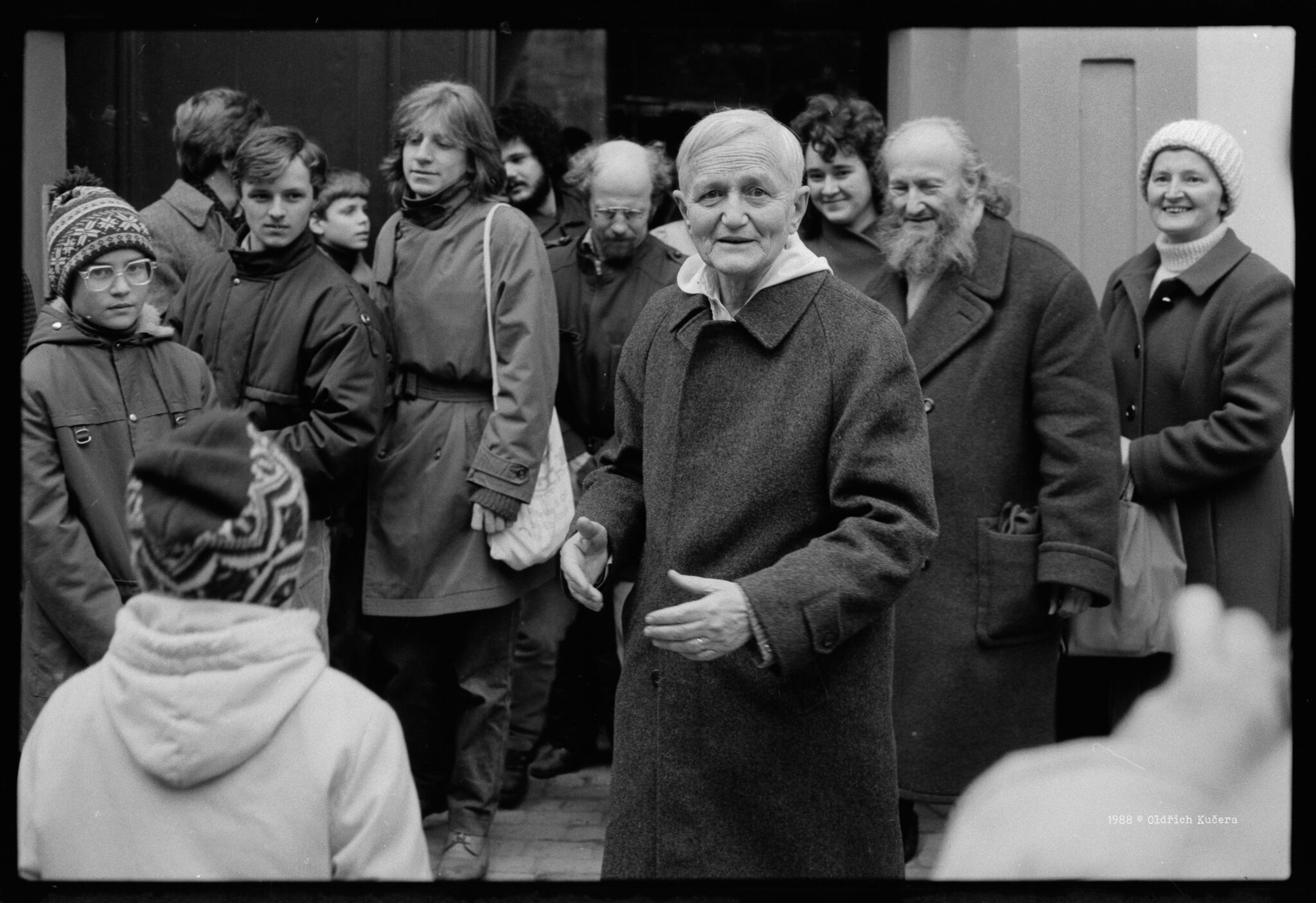
Sametová revoluce v Olomouci u Sv. Trojice
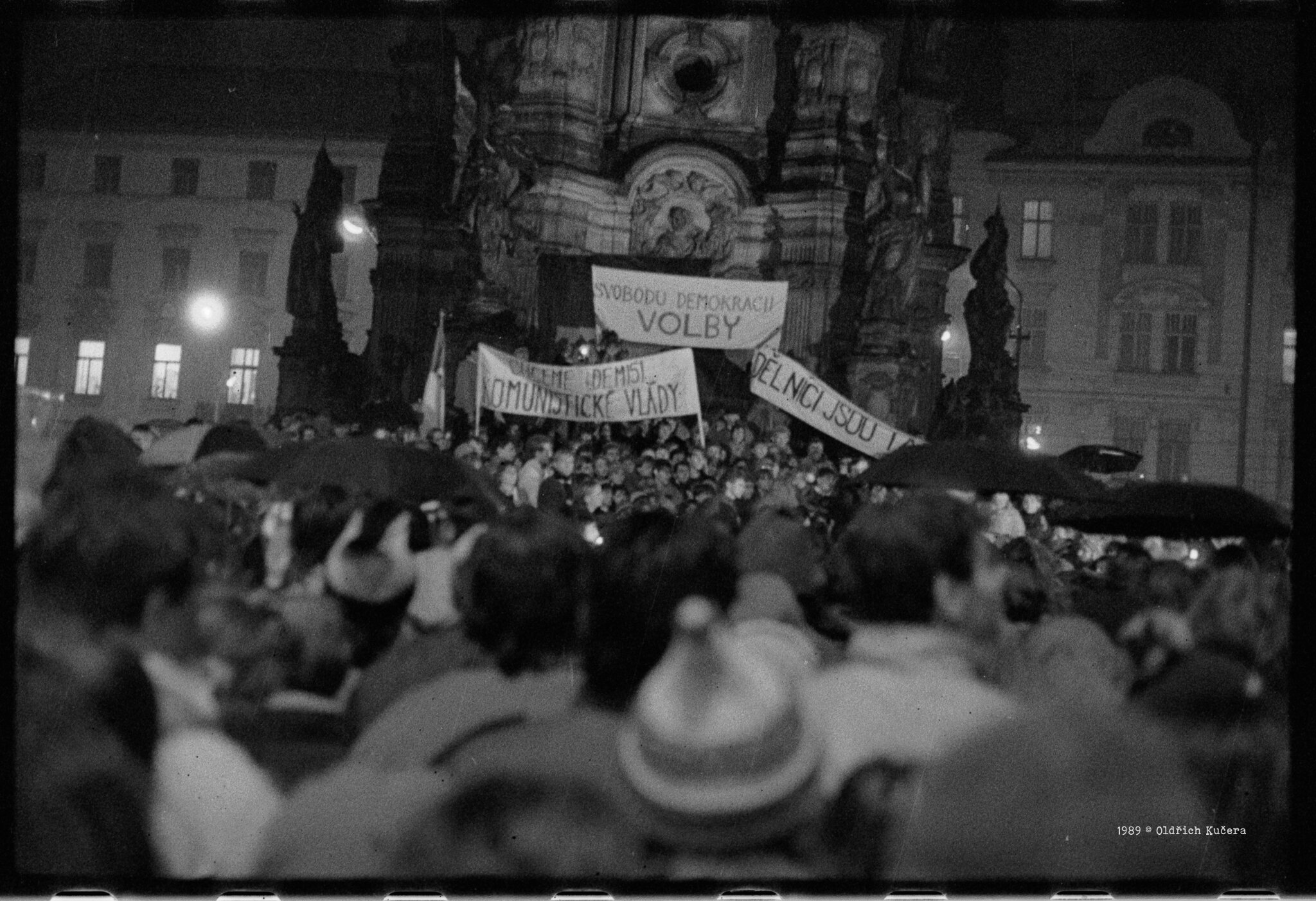
Salezián Andrzej Szpak.

Fr. Roger v Praze
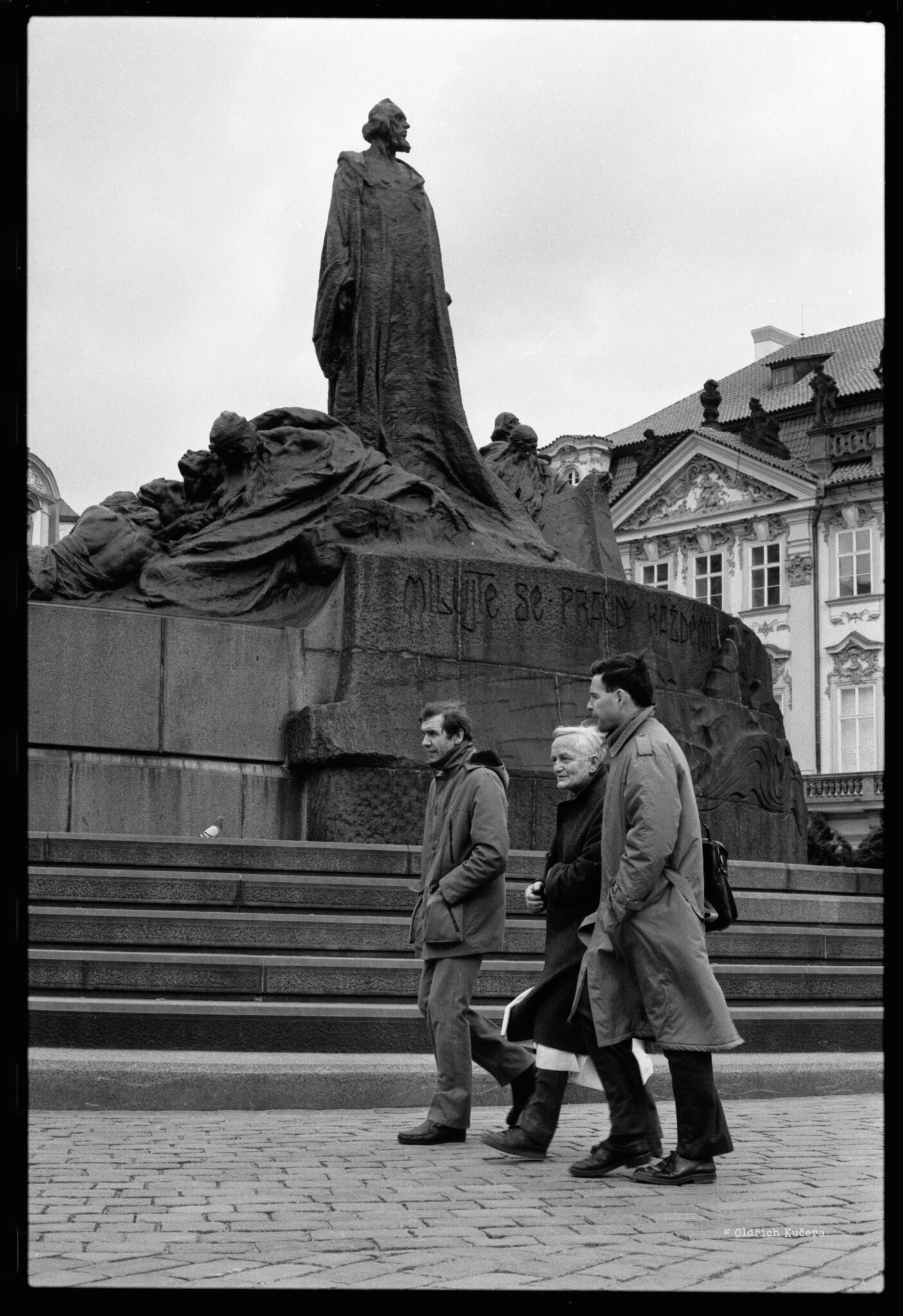
Andrea
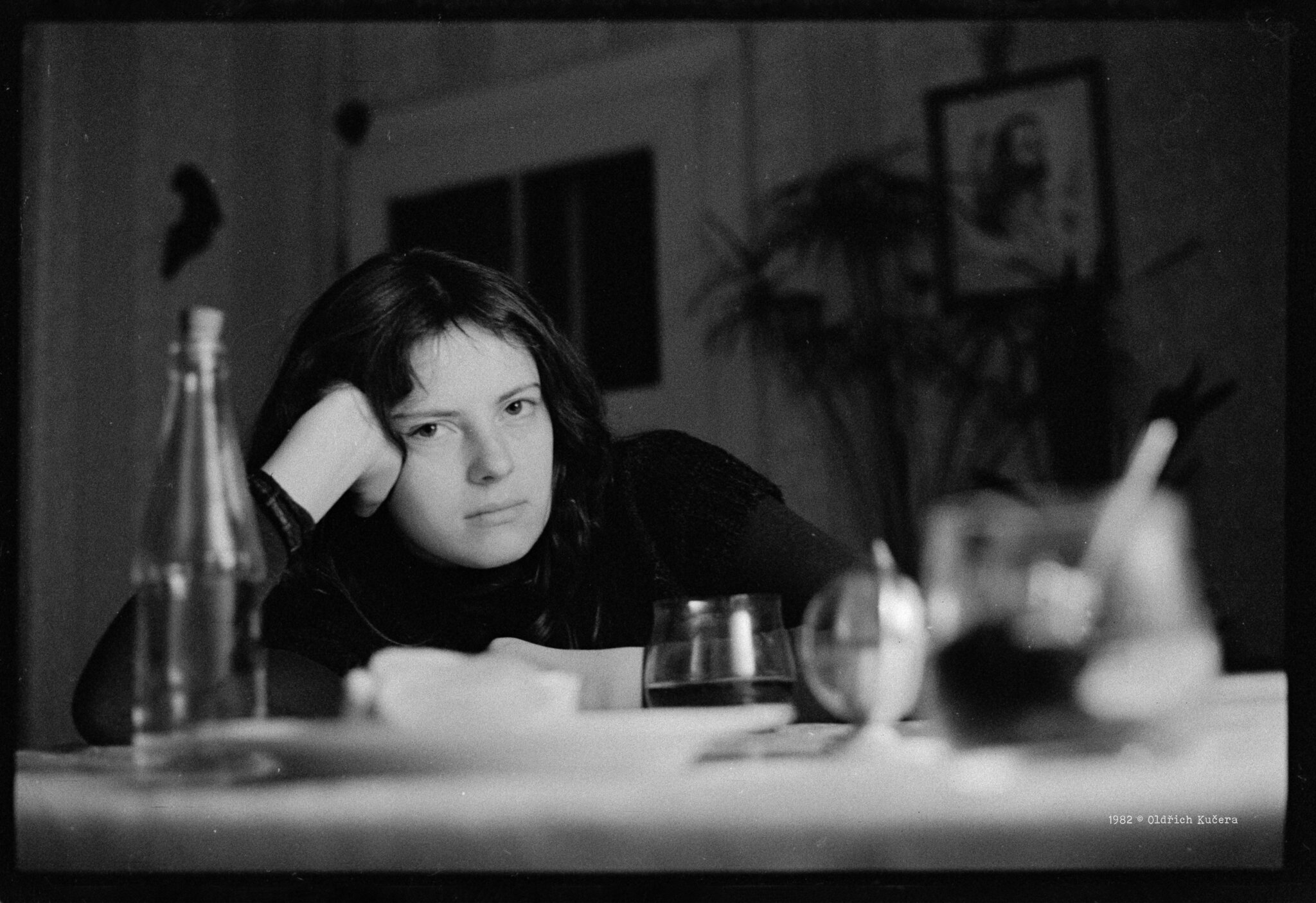
V Olomouci na ulici.
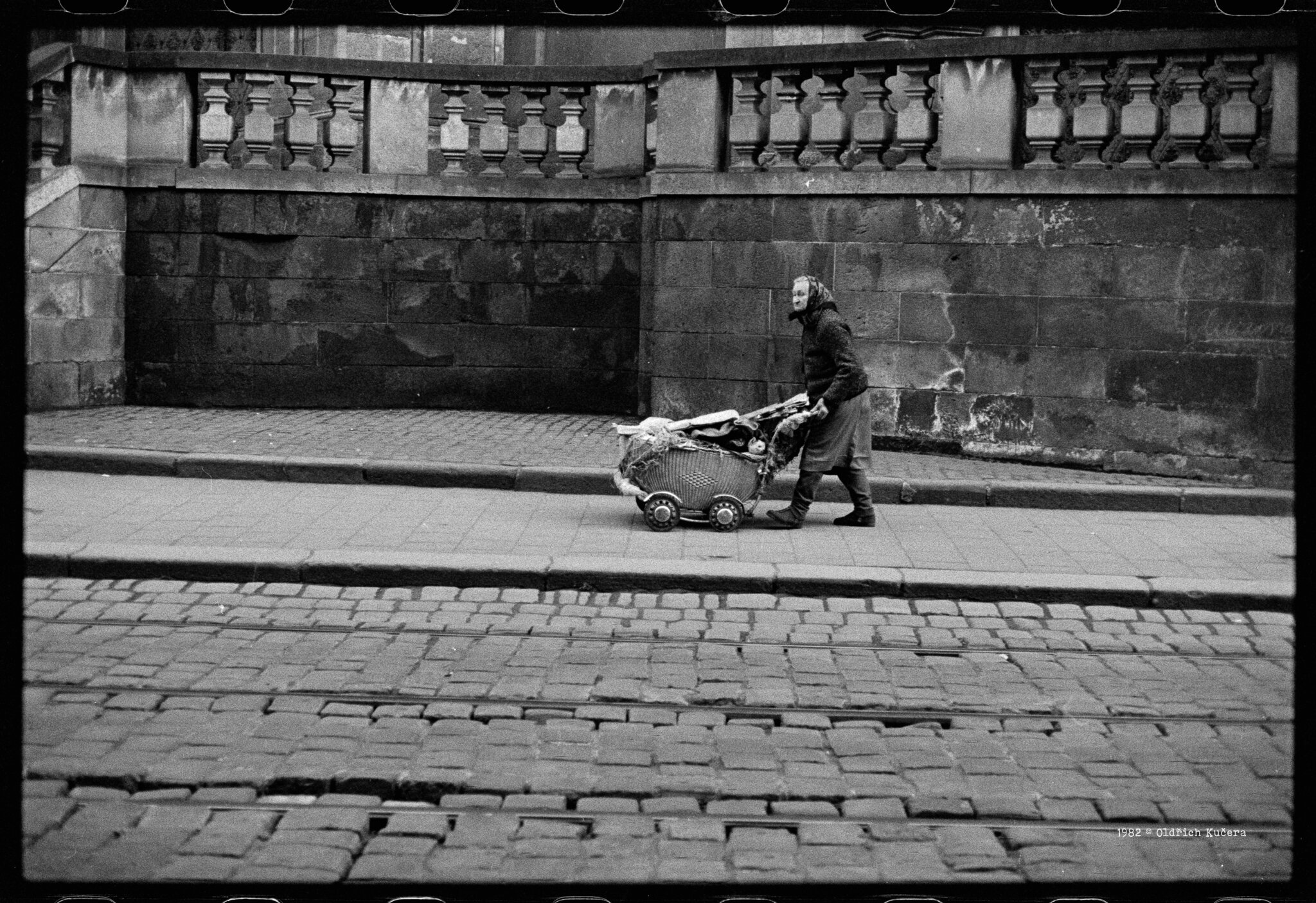
Konflikt.
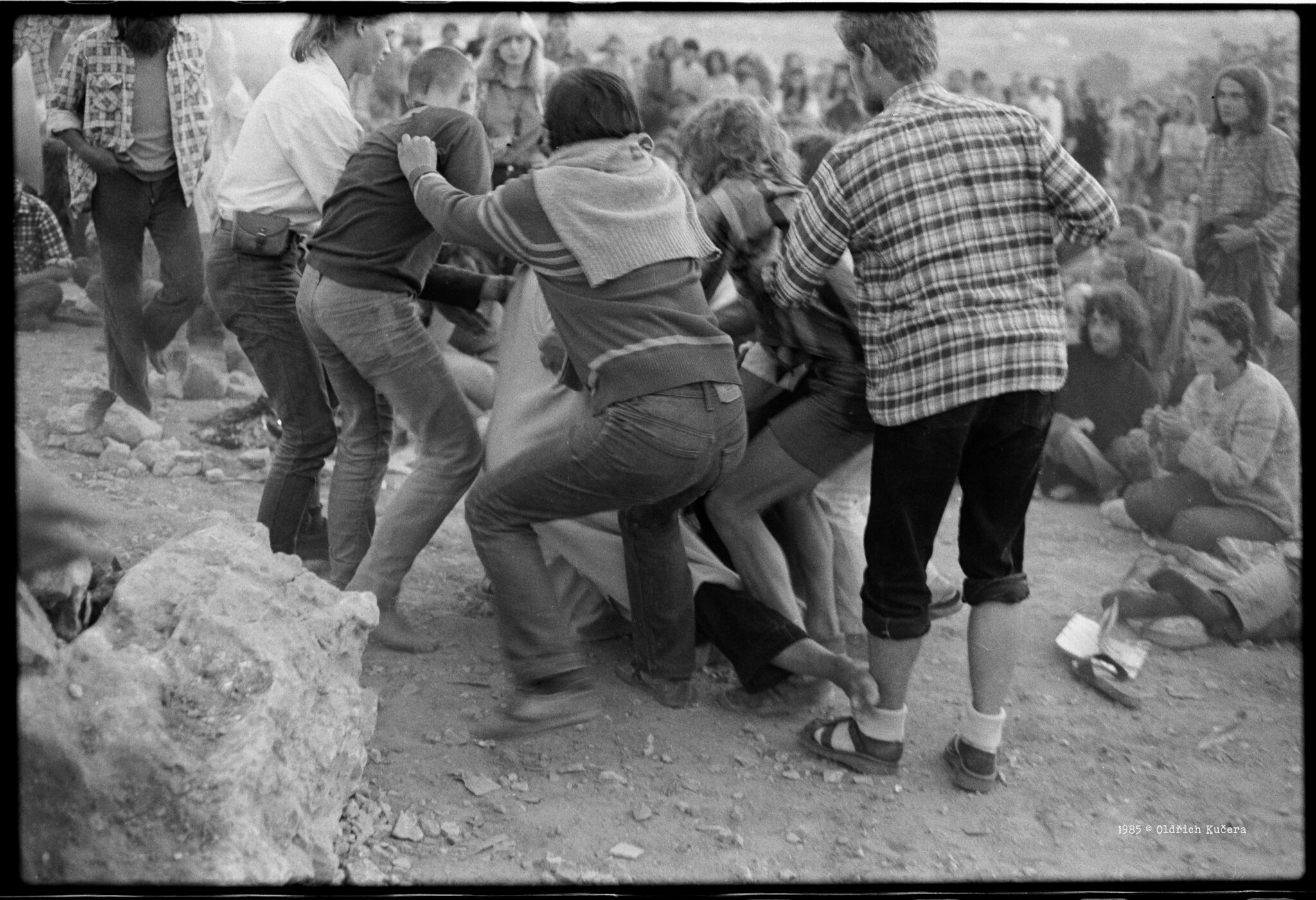
Andrzej Szpak
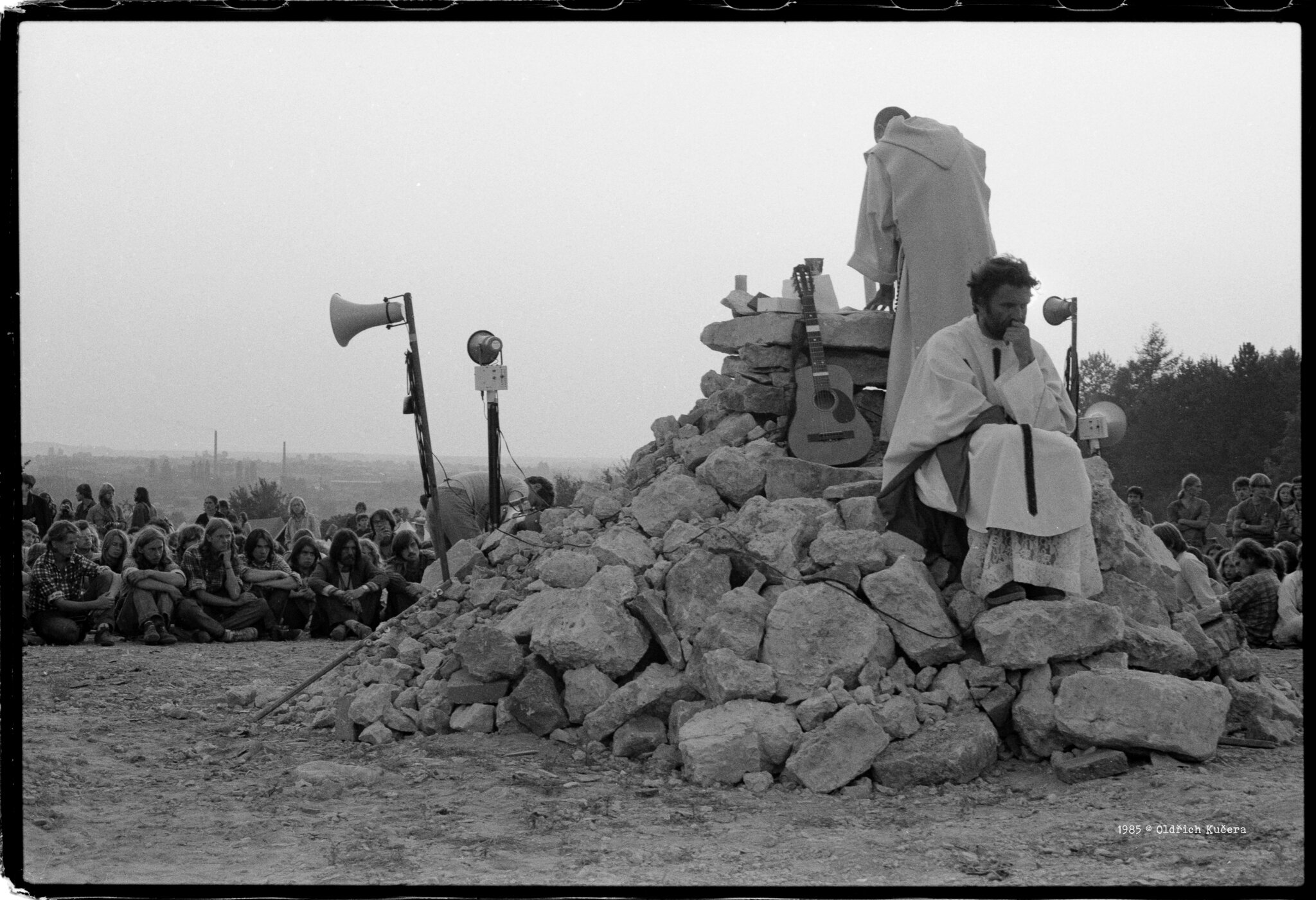
U Muzea umění v Olomouci během sametové revoluce.

Matka Tereza v Brně.

Zielona Góra, festival divadel.

Zielona Góra, festival divadel.

Kněží na pouti v Polsku
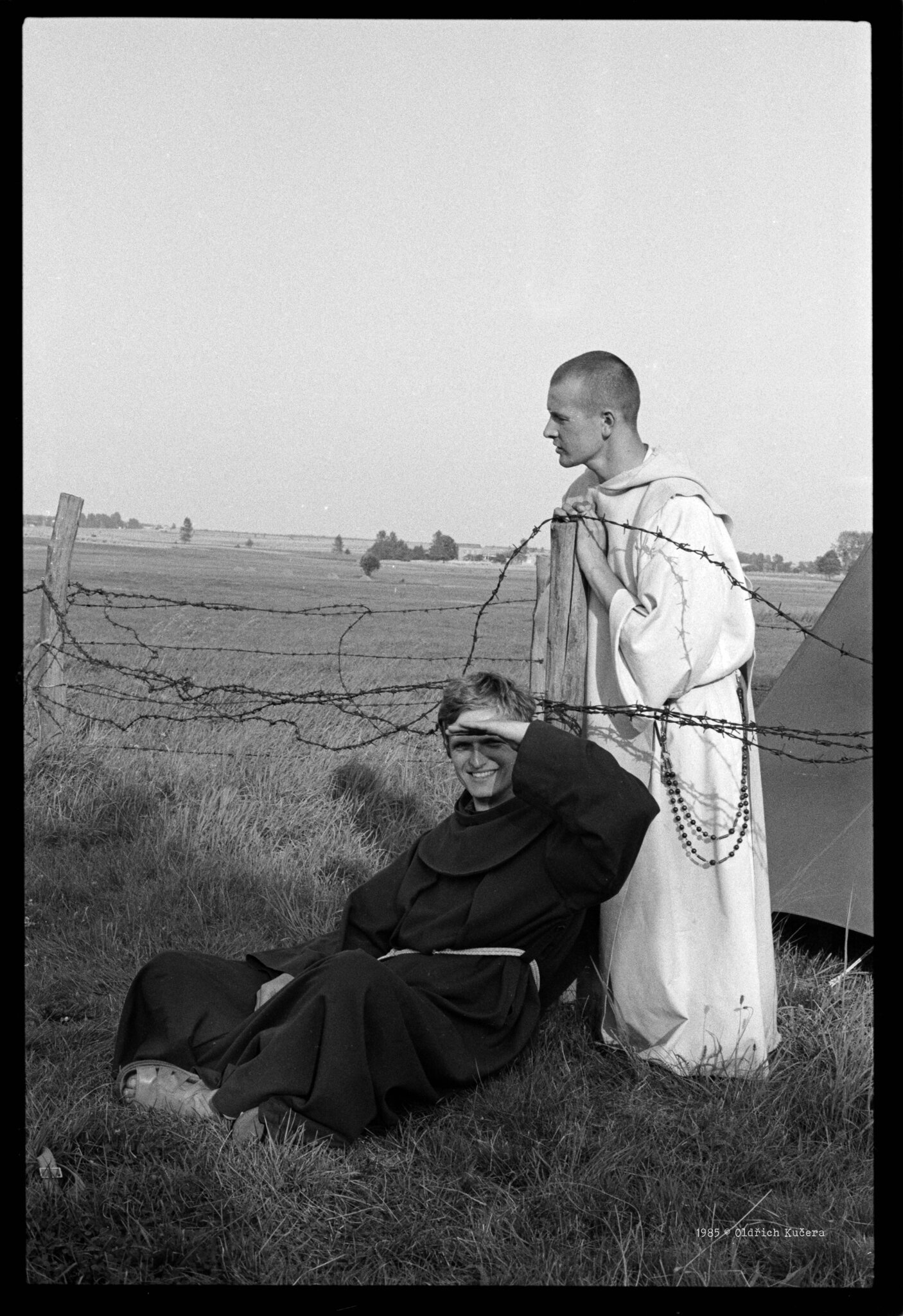
Před katedrálou sv. Václava v Olomouci.

Děti na schodech.

Sametová revoluce v Olomouci u Sv. Trojice
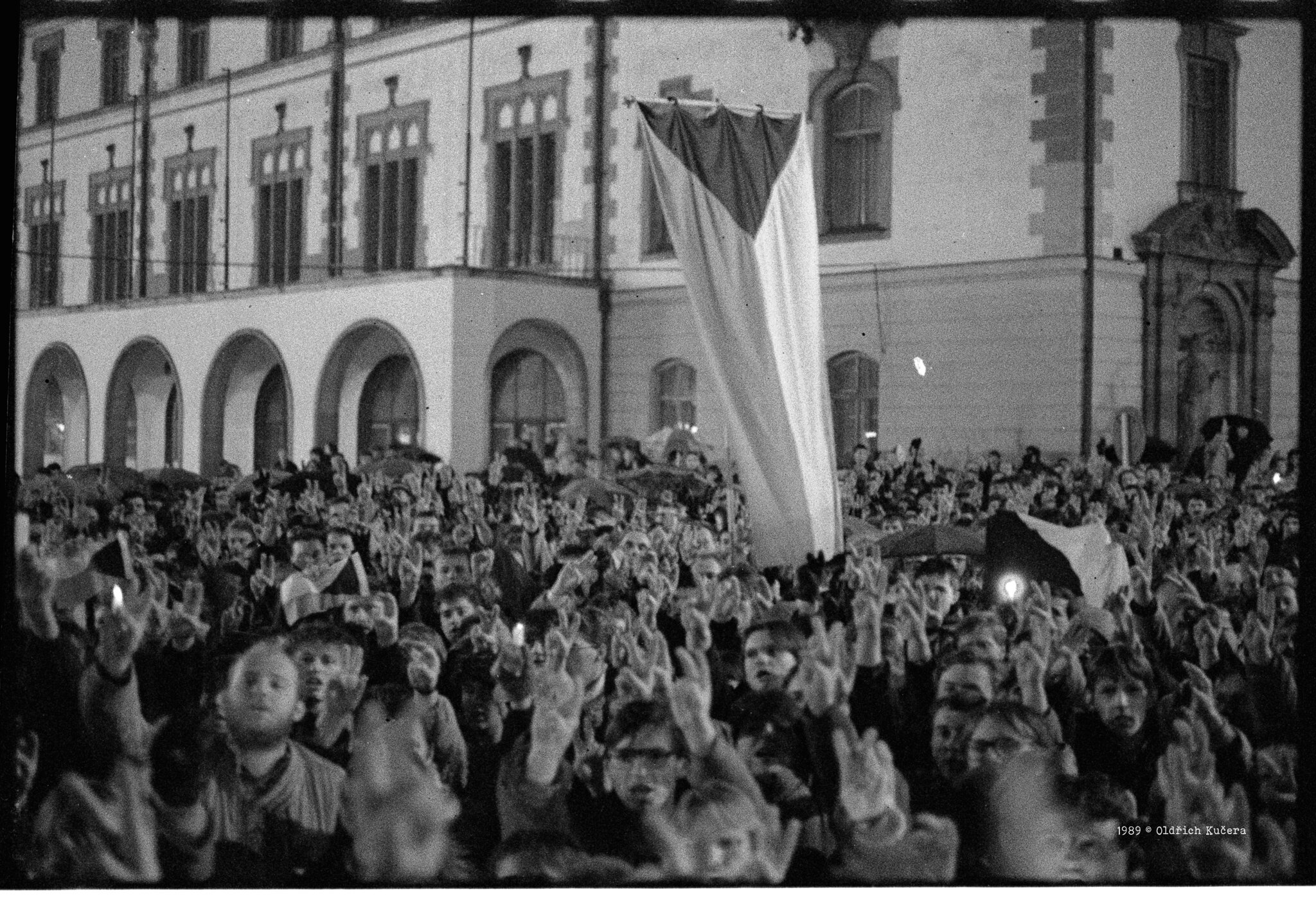
Vít Pelikán v hale ÚP během generální stávky.

Manželé Ebenovi v Olomouci.

Color slides.
Průvod na Boží Tělo
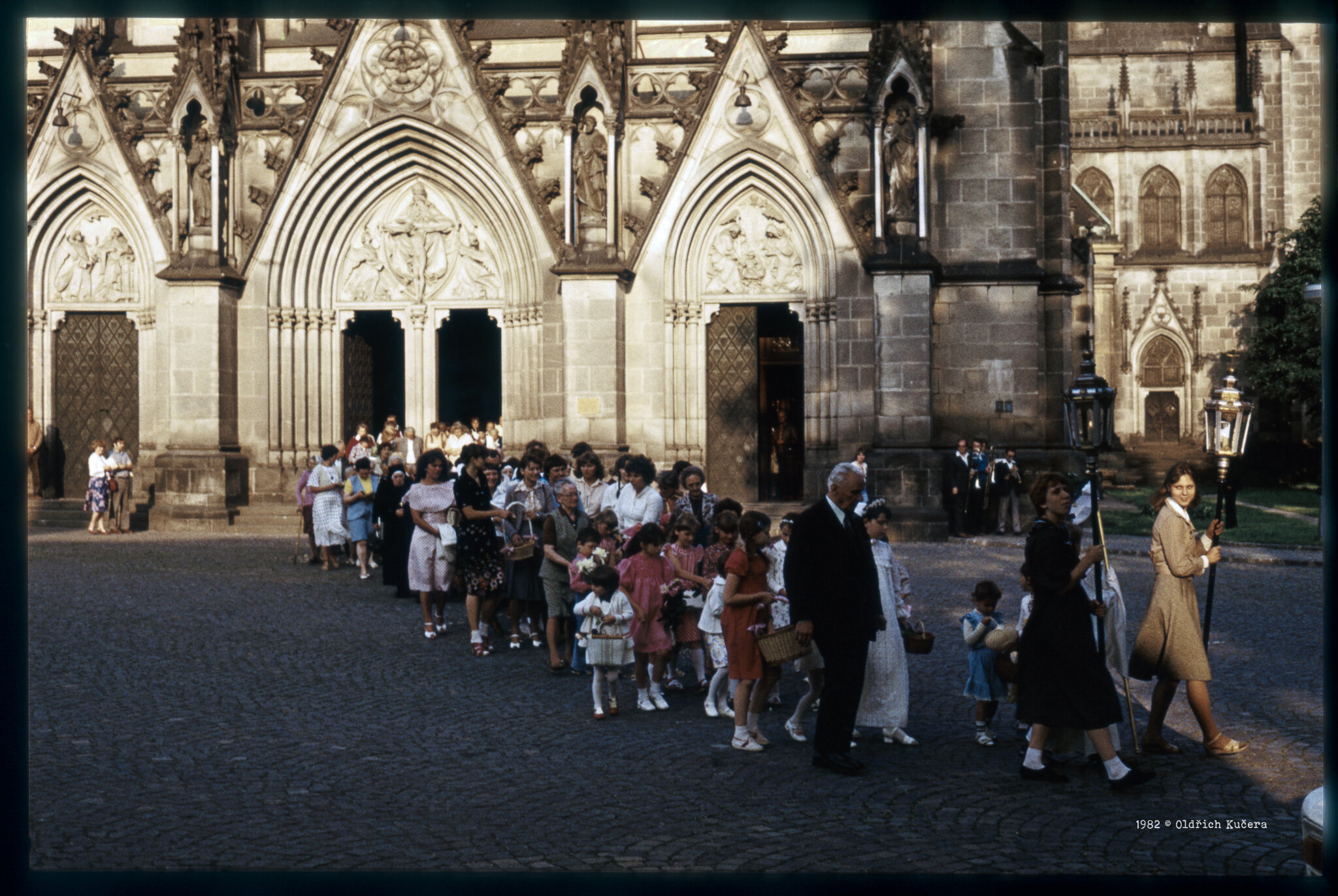
Václav Venkrbec

Roger v Praze u Kaplanů
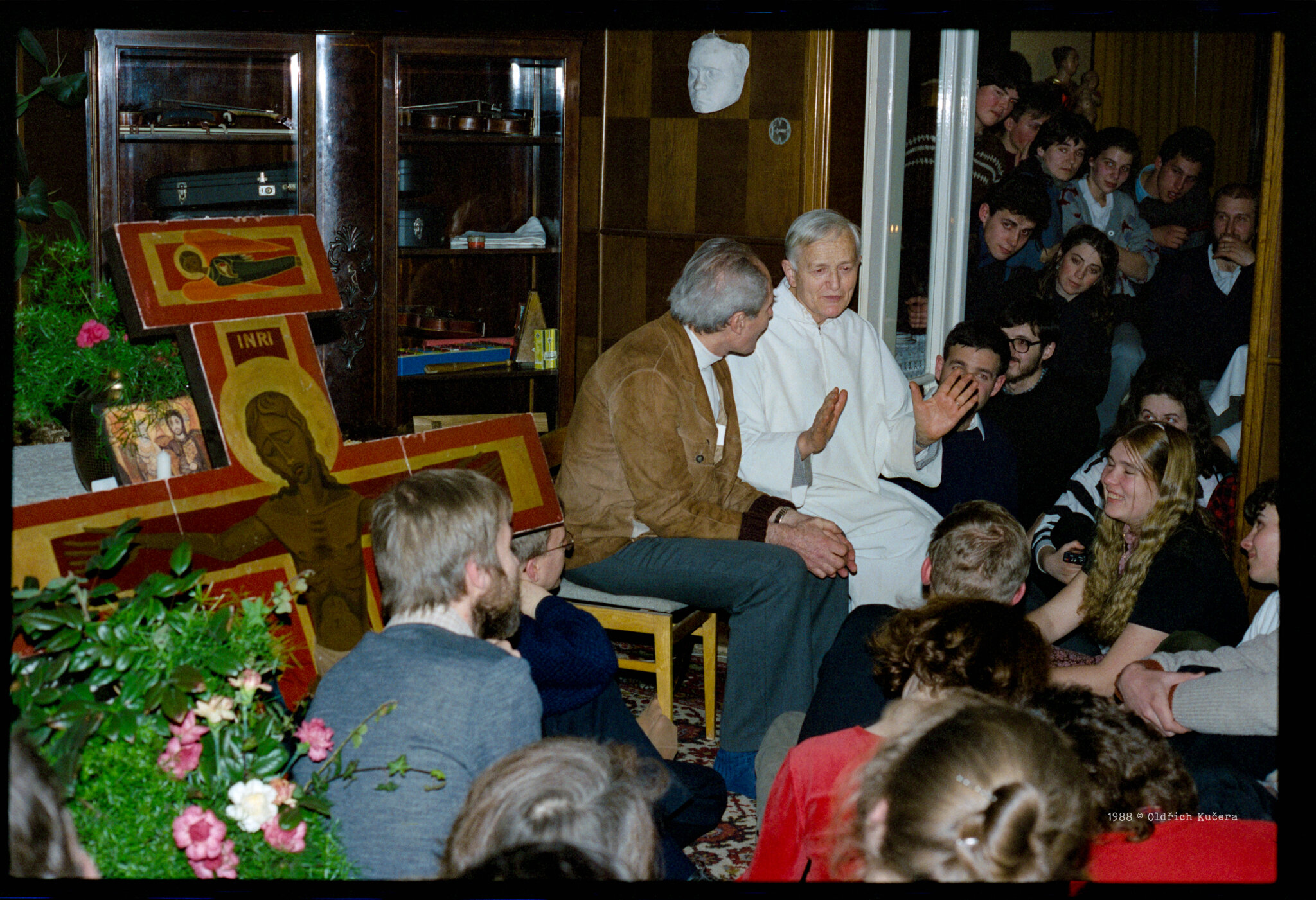
Rodina Suchánkova
Čenstochová během první návštěvy Jana Pavla II.
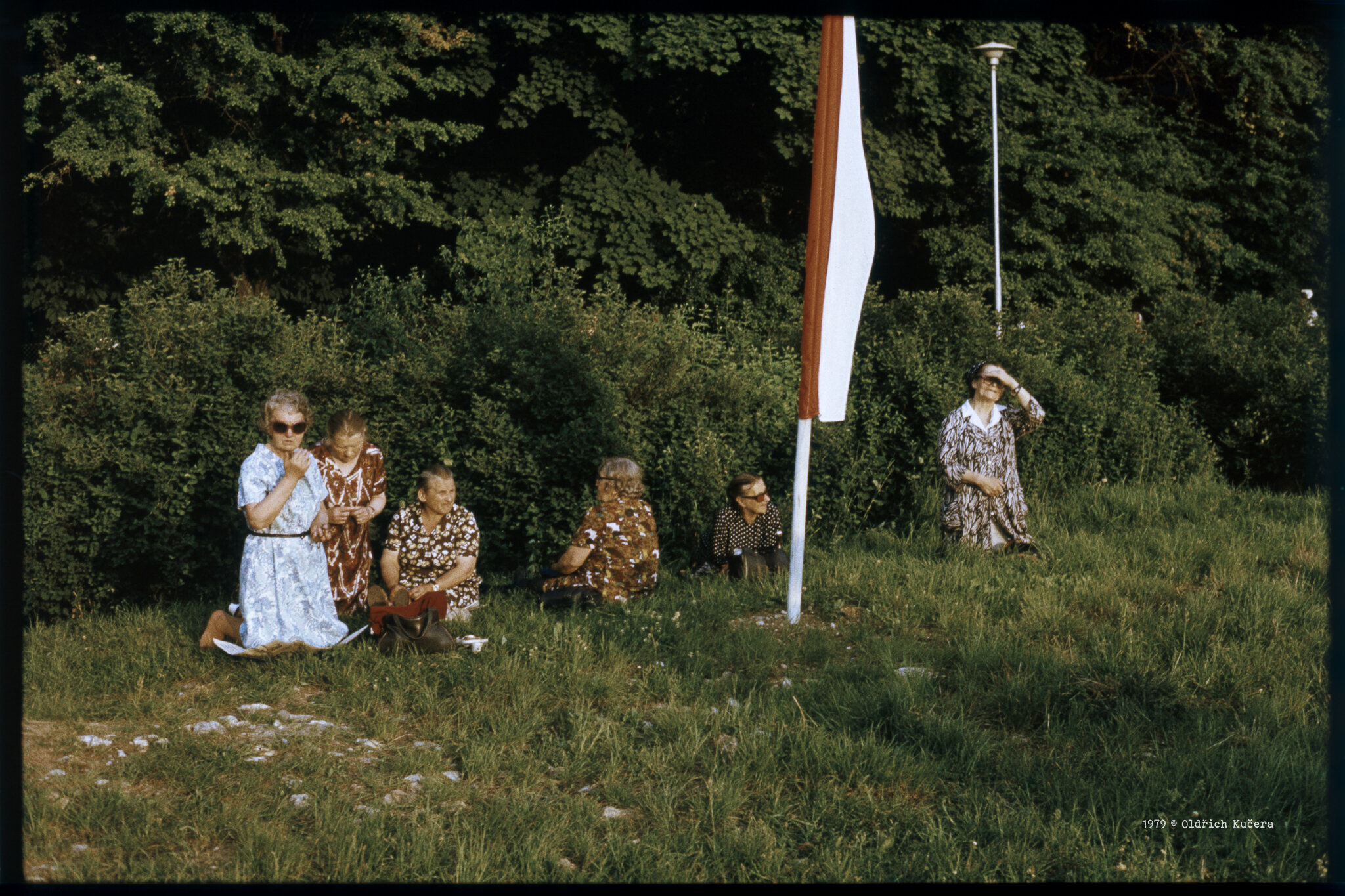
Čenstochová během první návštěvy Jana Pavla II.

Jan Pavel II.
Na 1. máje

Čenstochová během první návštěvy Jana Pavla II.
Michalský výpad v Olomouci

Čenstochová během první návštěvy Jana Pavla II.
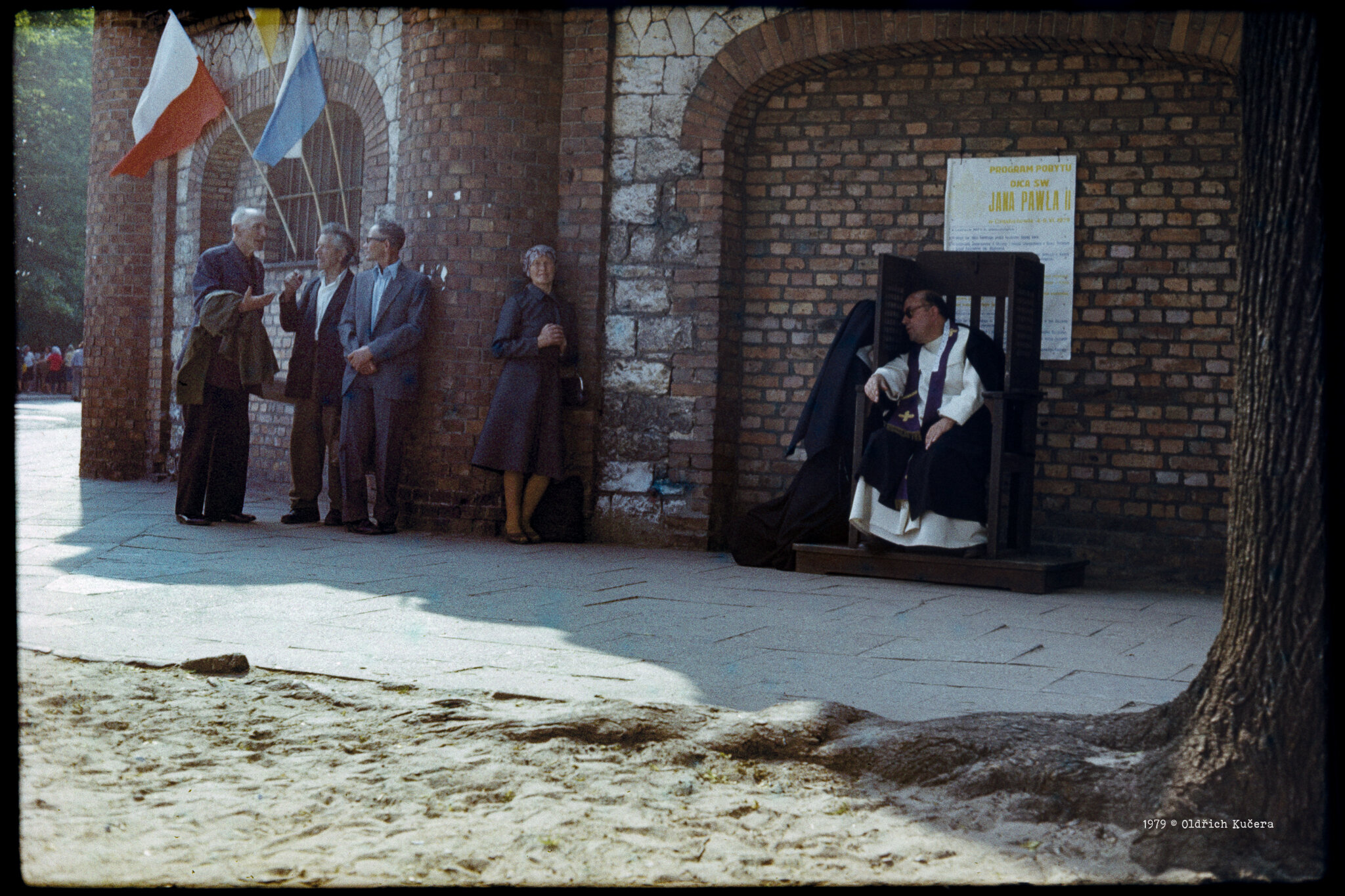
Čenstochová během první návštěvy Jana Pavla II.
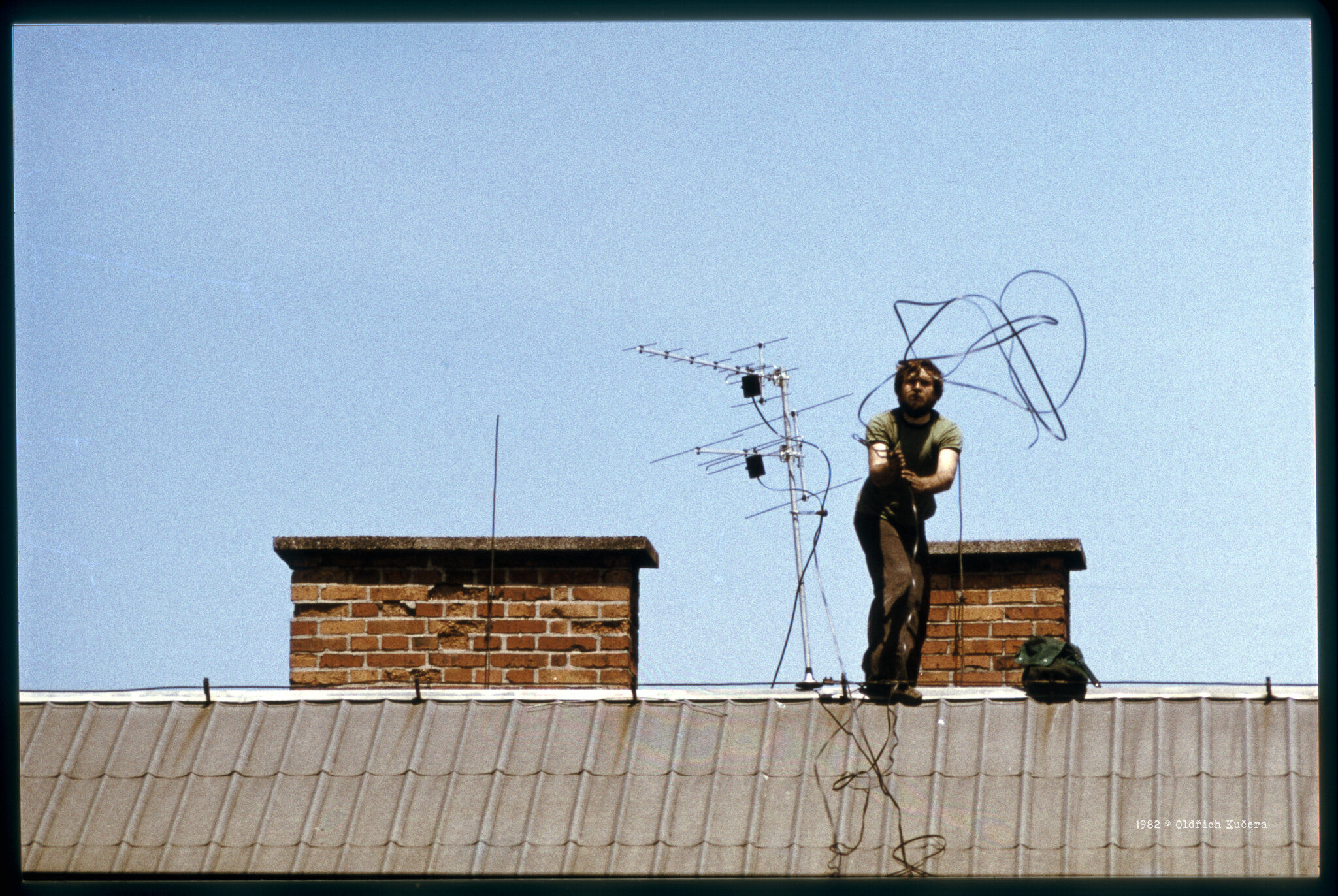
Hynek Suchánek při práci
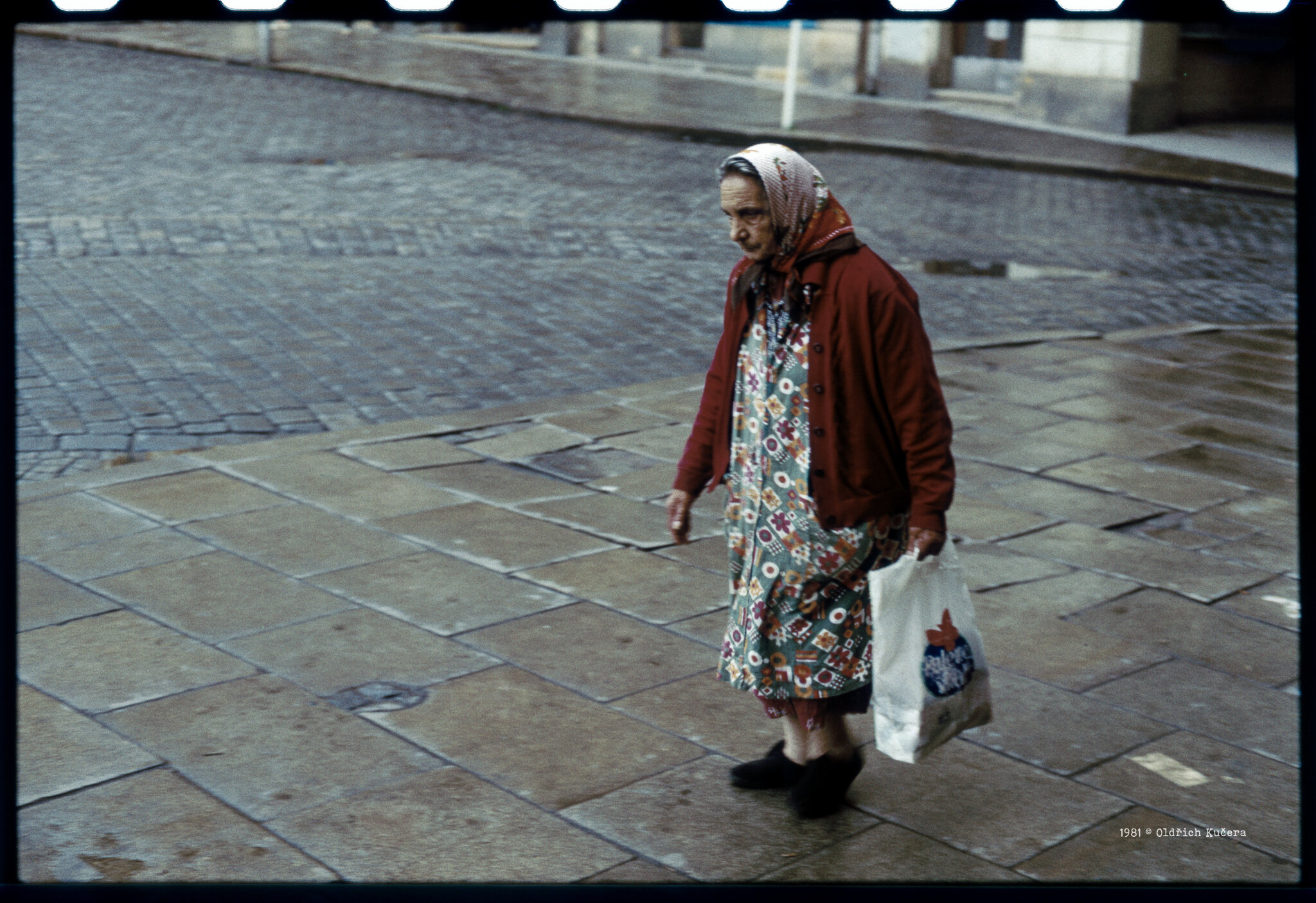
Bábinka v Olomouci
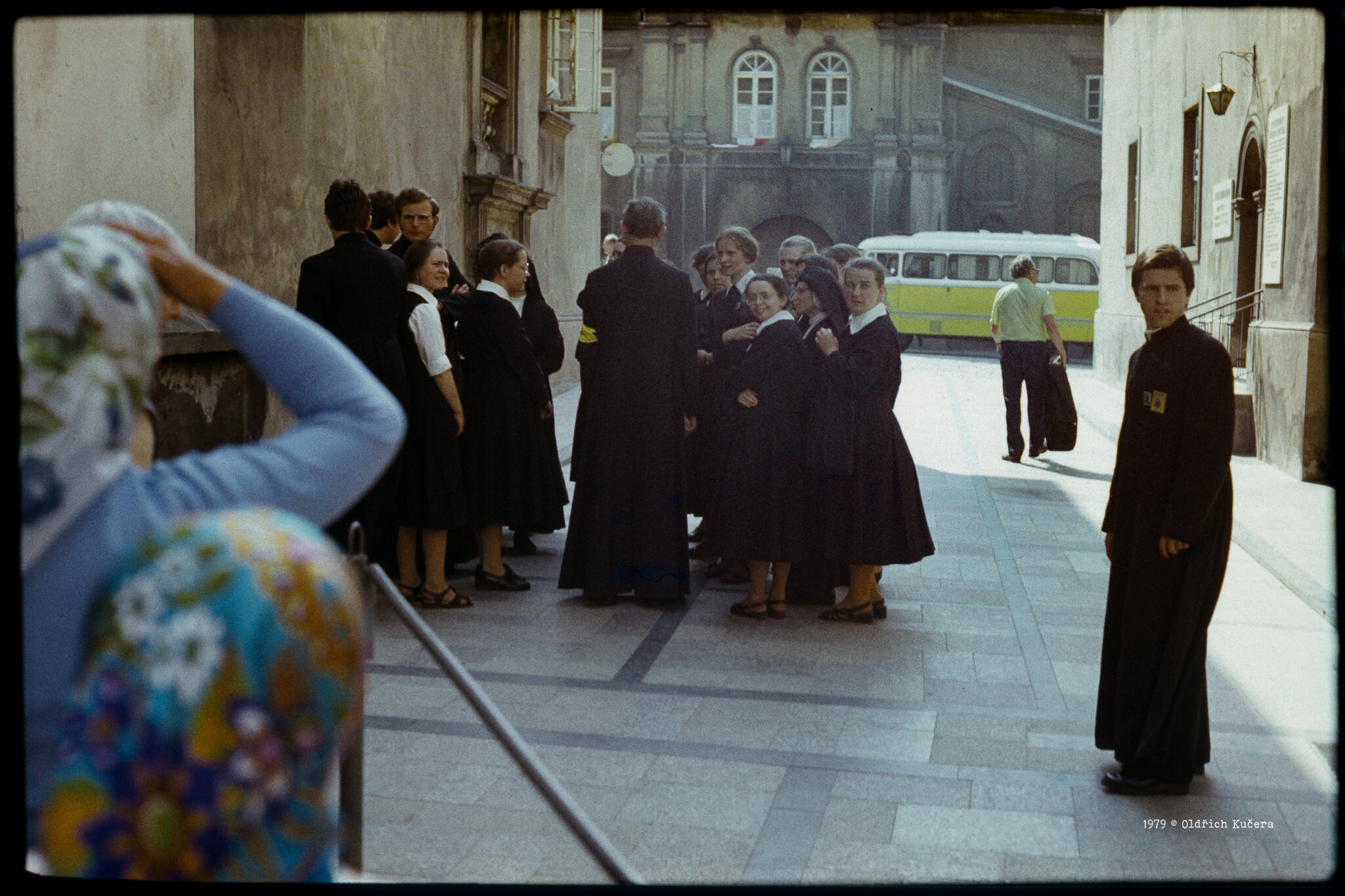
Čenstochová během první návštěvy Jana Pavla II.
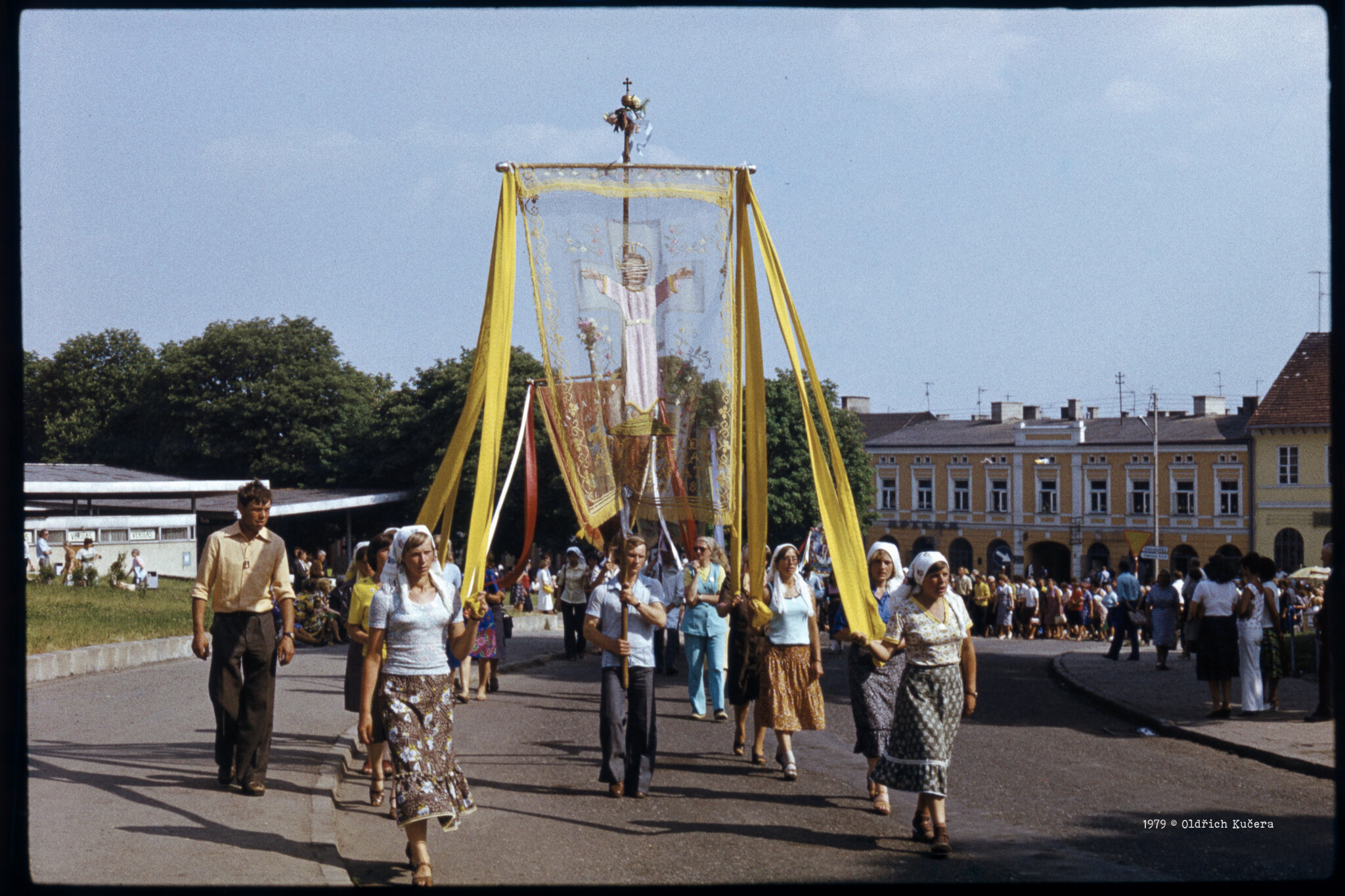
Čenstochová během první návštěvy Jana Pavla II.

Čenstochová během první návštěvy Jana Pavla II.

Čenstochová během první návštěvy Jana Pavla II.

Černovír po povodních

Fr. Roger v Praze

Čenstochová během první návštěvy Jana Pavla II.