Following this logic, we could argue that anyone who knows how to take pictures takes them in color. This is nonsense, but unfortunately it is often repeated among non-photographers. Why do I mainly take black-and-white photos, how does this shape my style, and what is the point of it in the world of color?
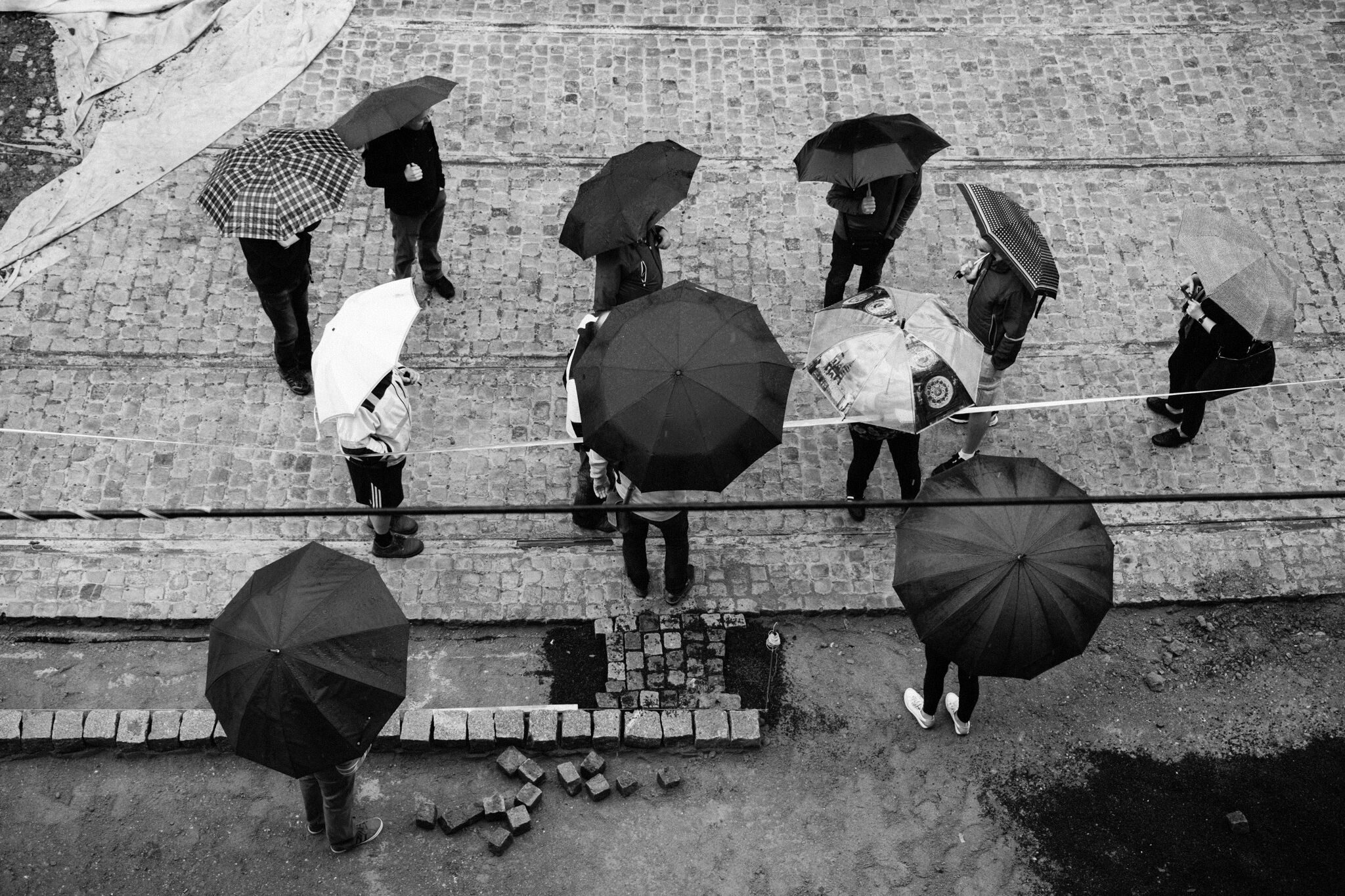
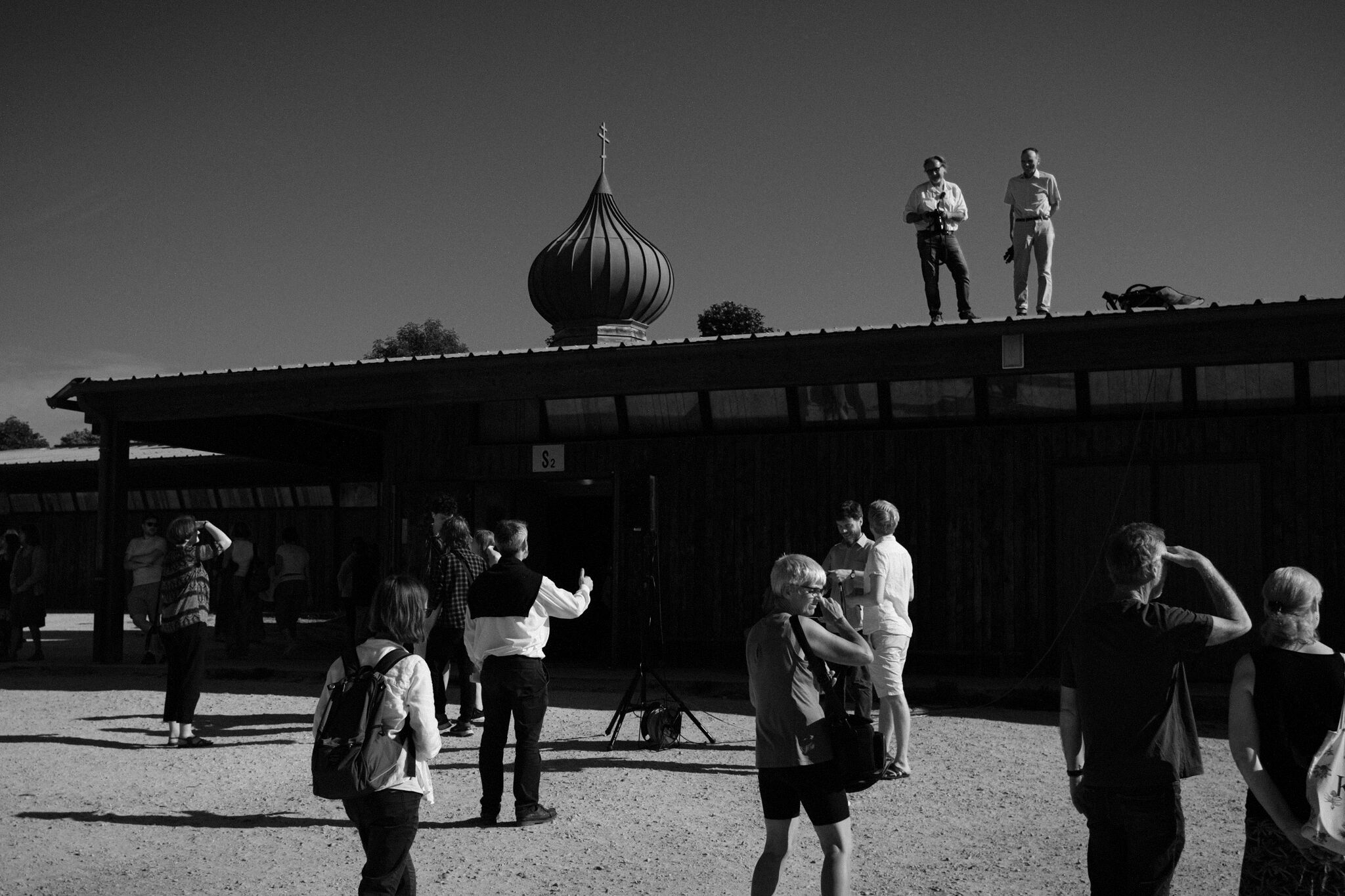
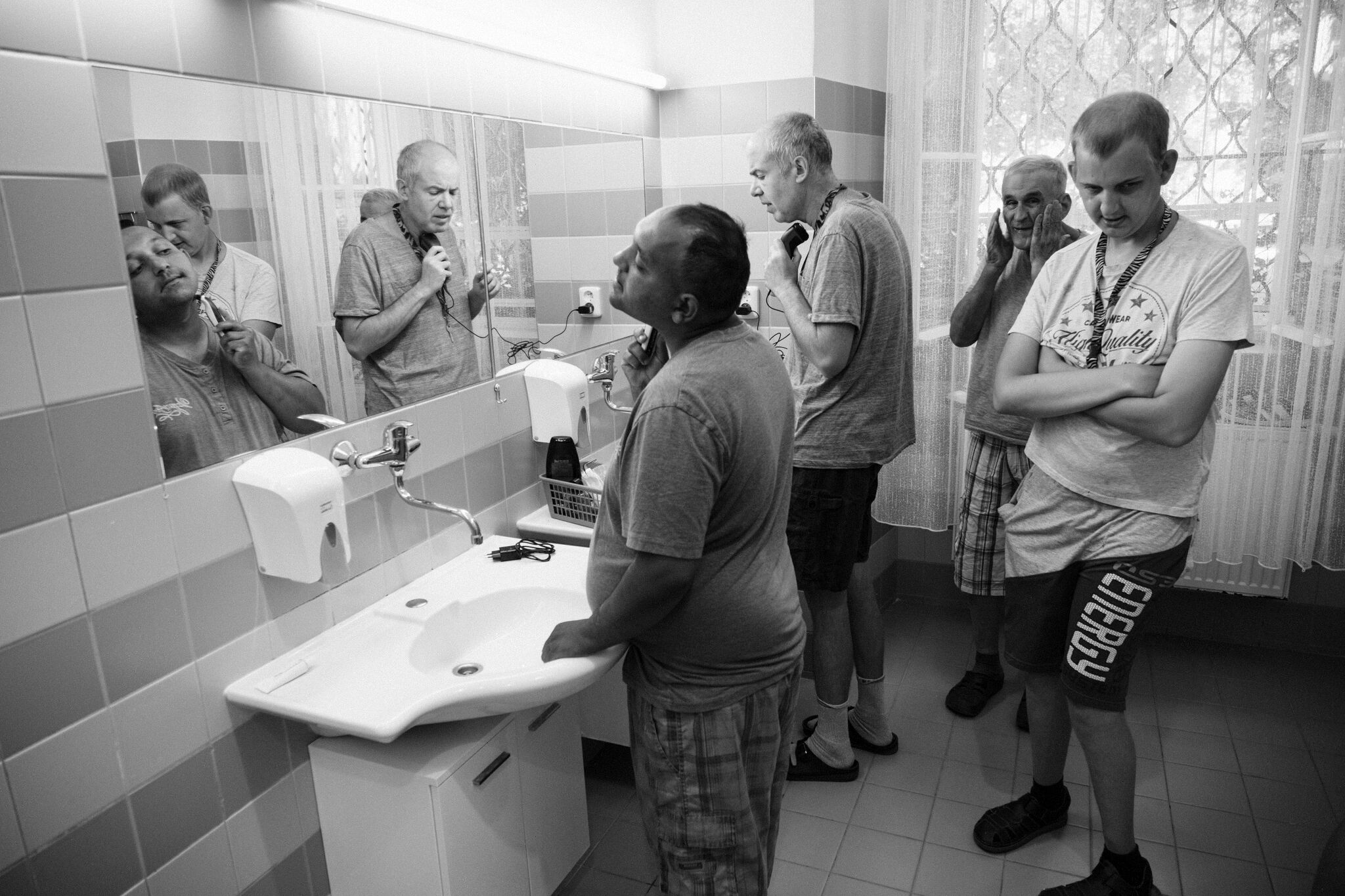
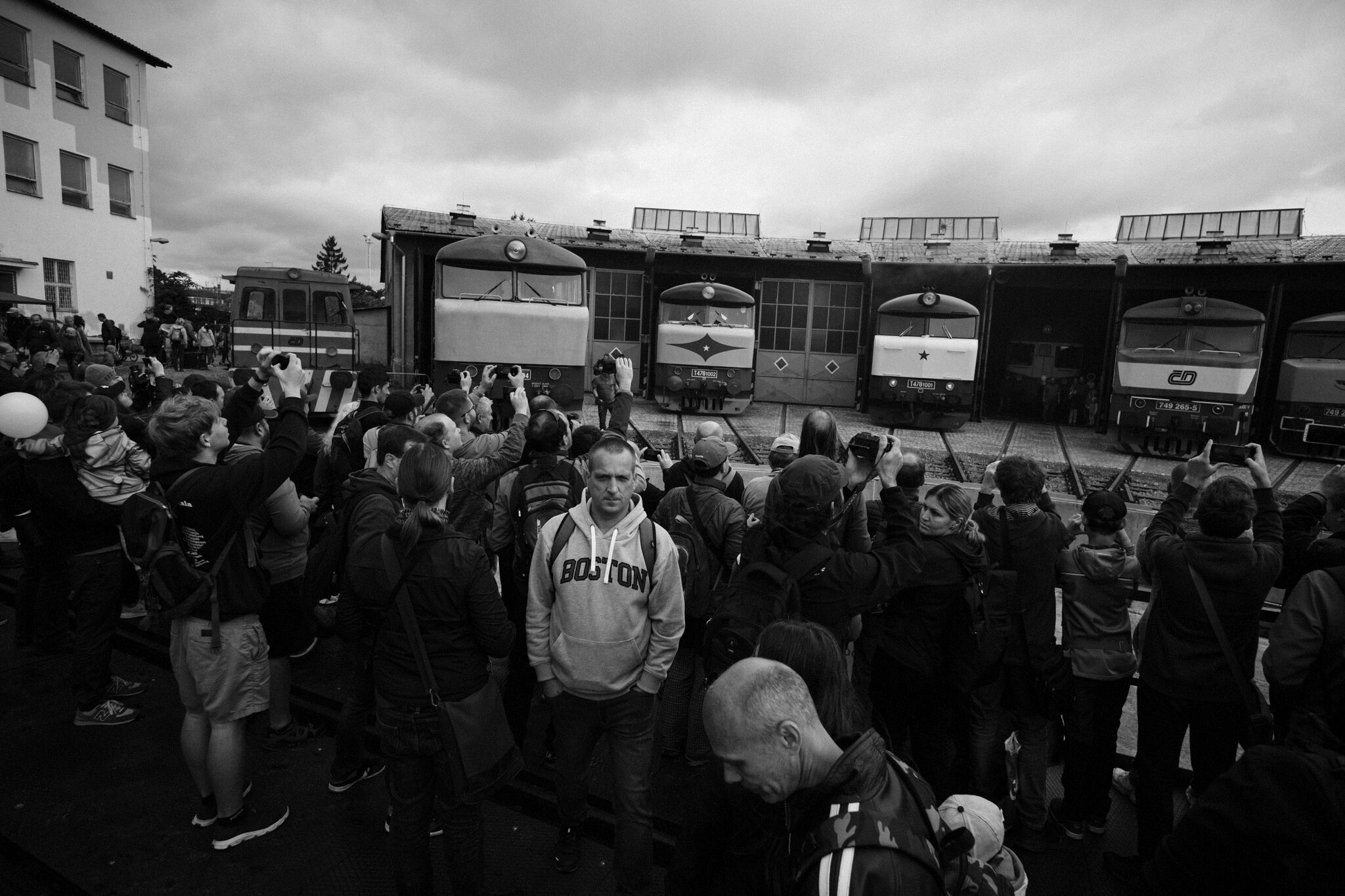
The black-and-white world gives me a new perspective on everyday situations. I am not distracted by appealing colors, and the content is given more space. The viewer gets beneath the surface and is more easily drawn into the „story.“ Most documentary photography, especially social portraiture, chooses this form.

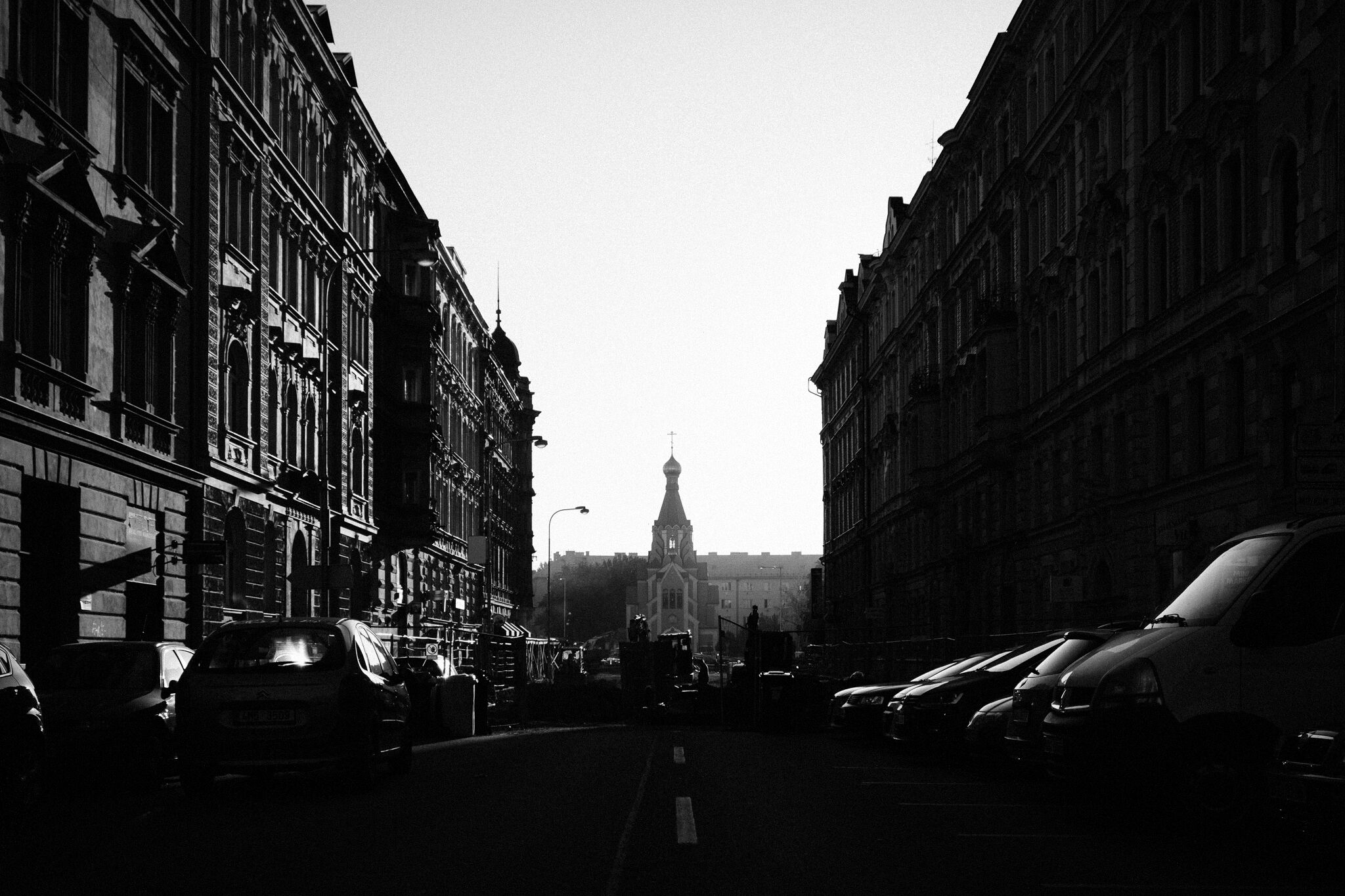
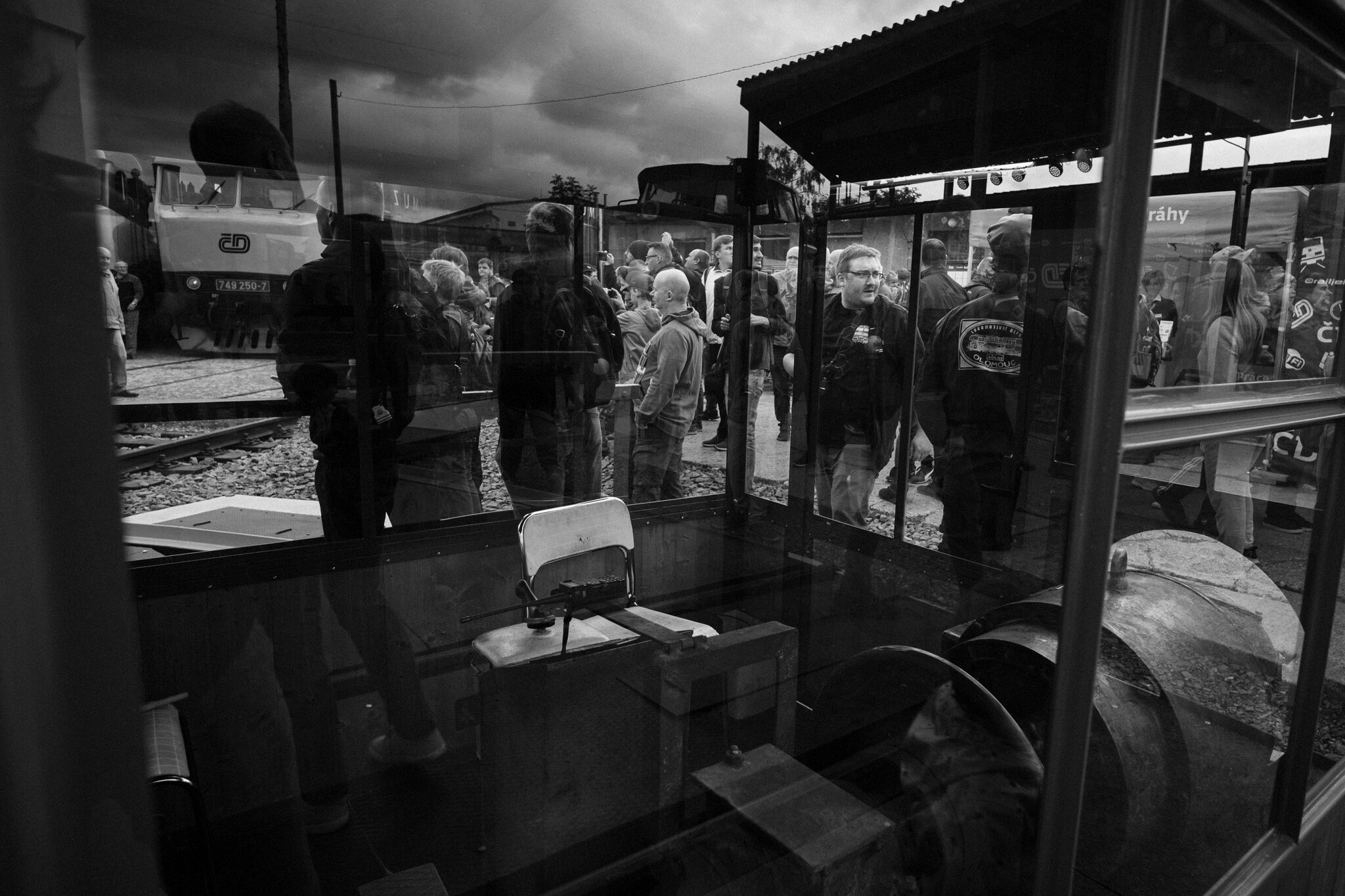
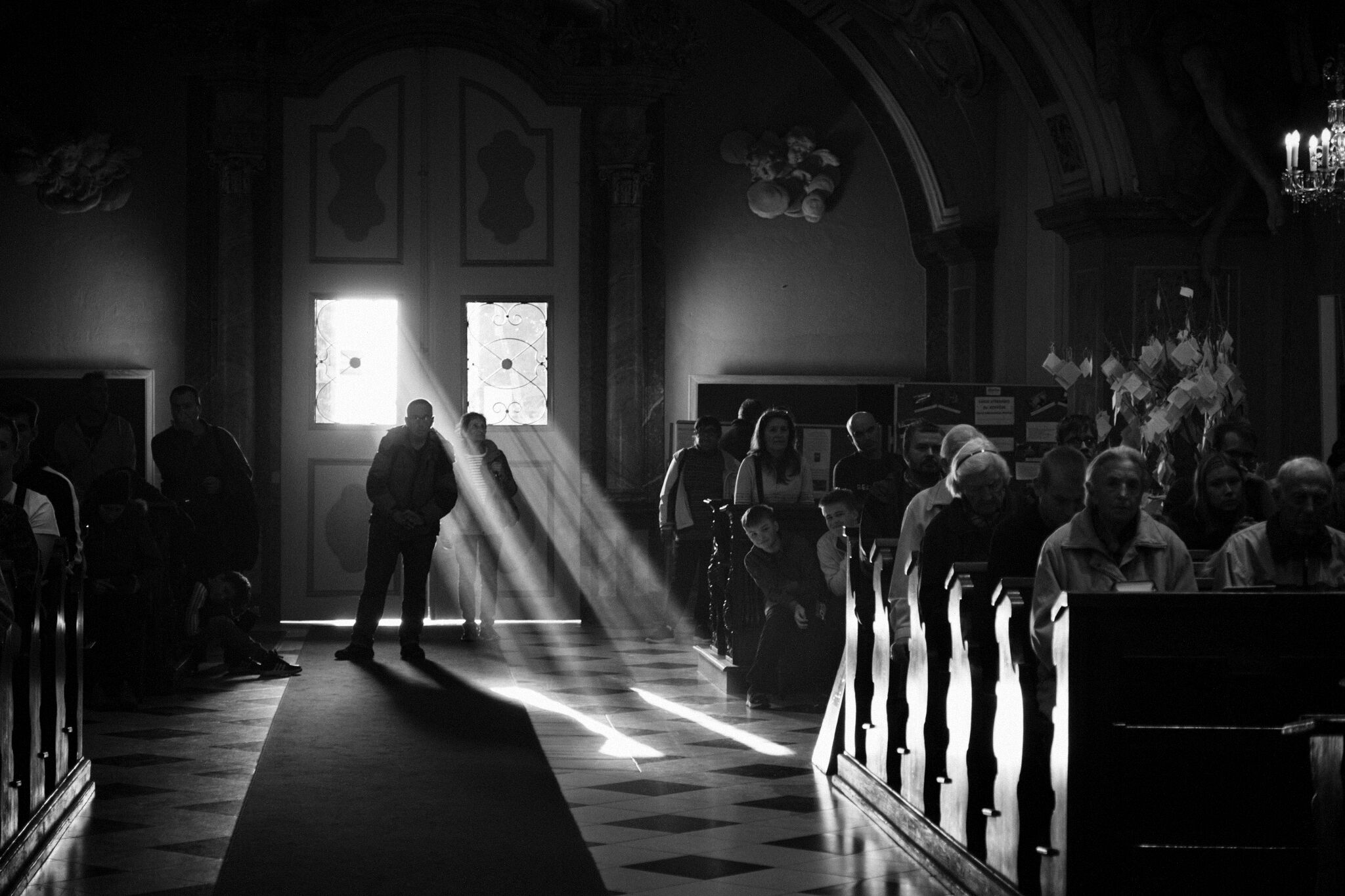

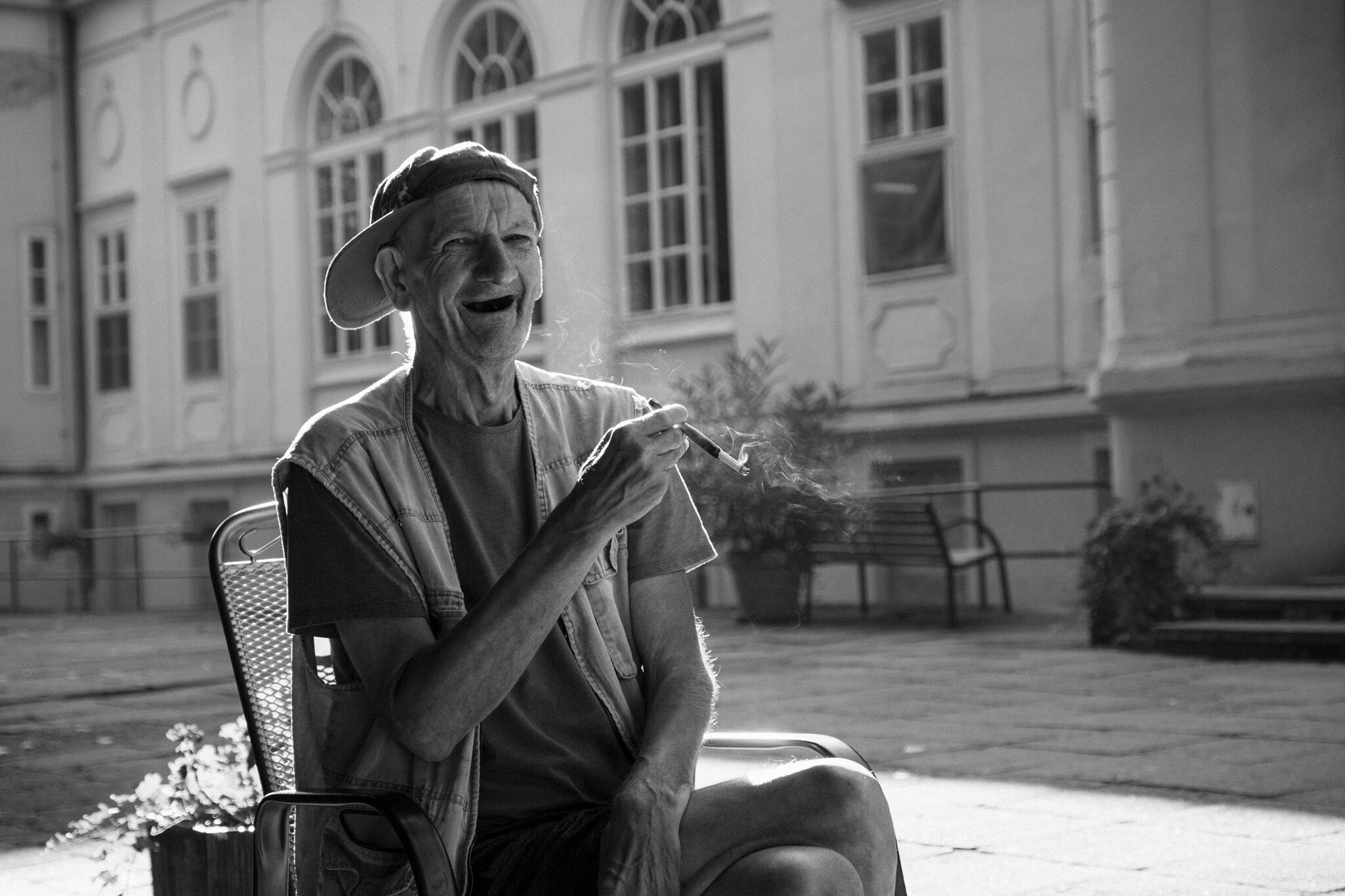
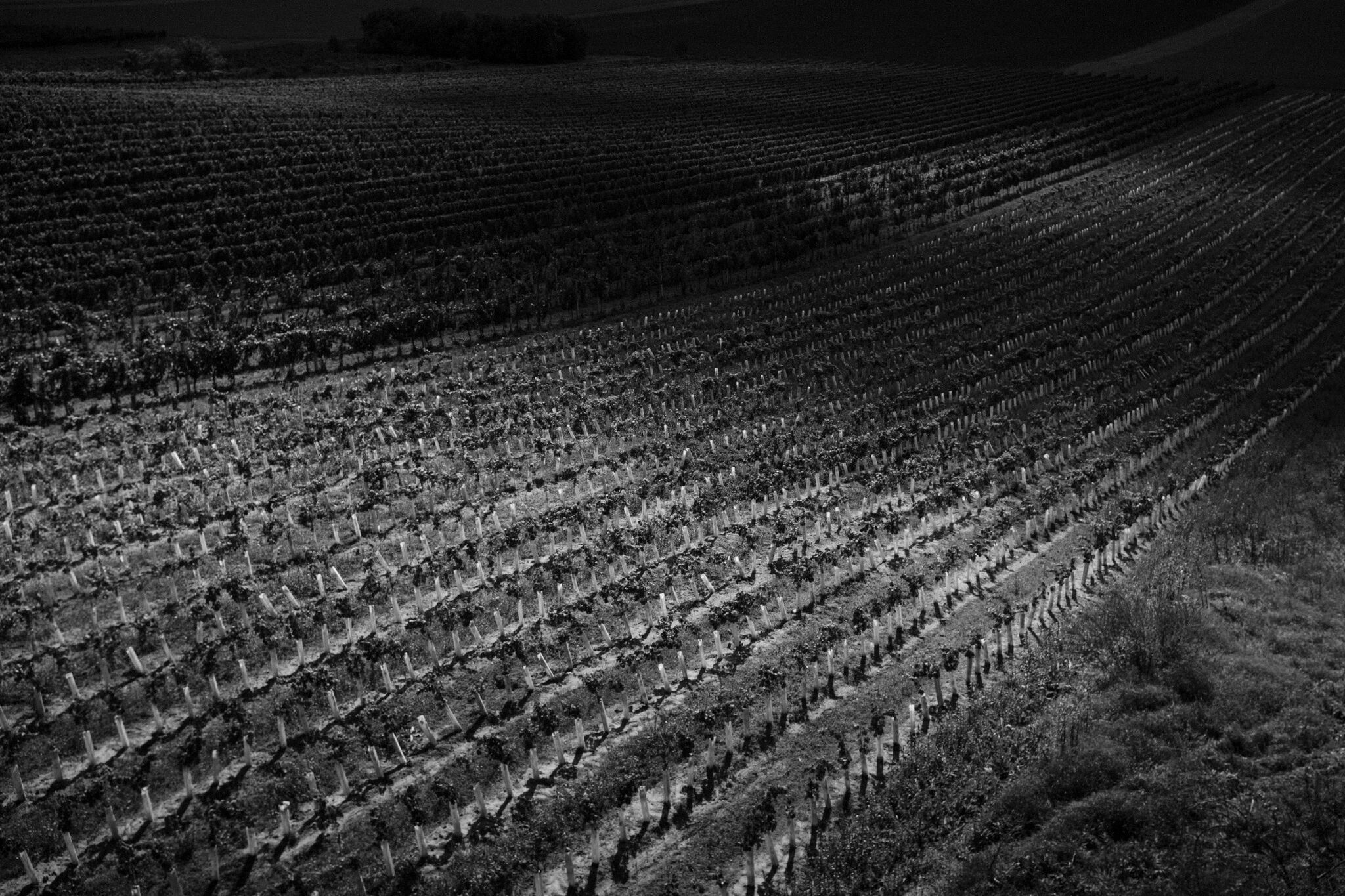
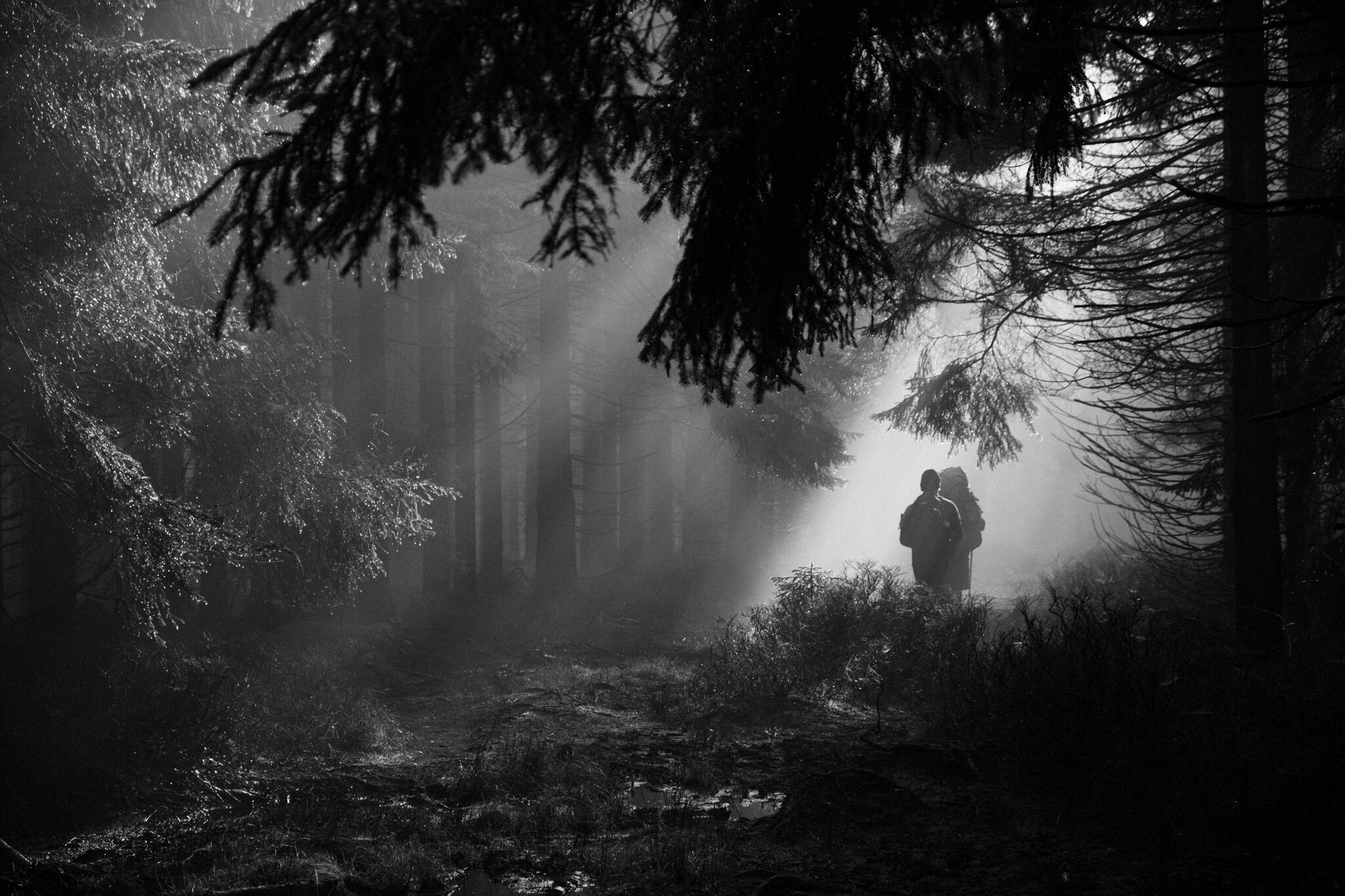
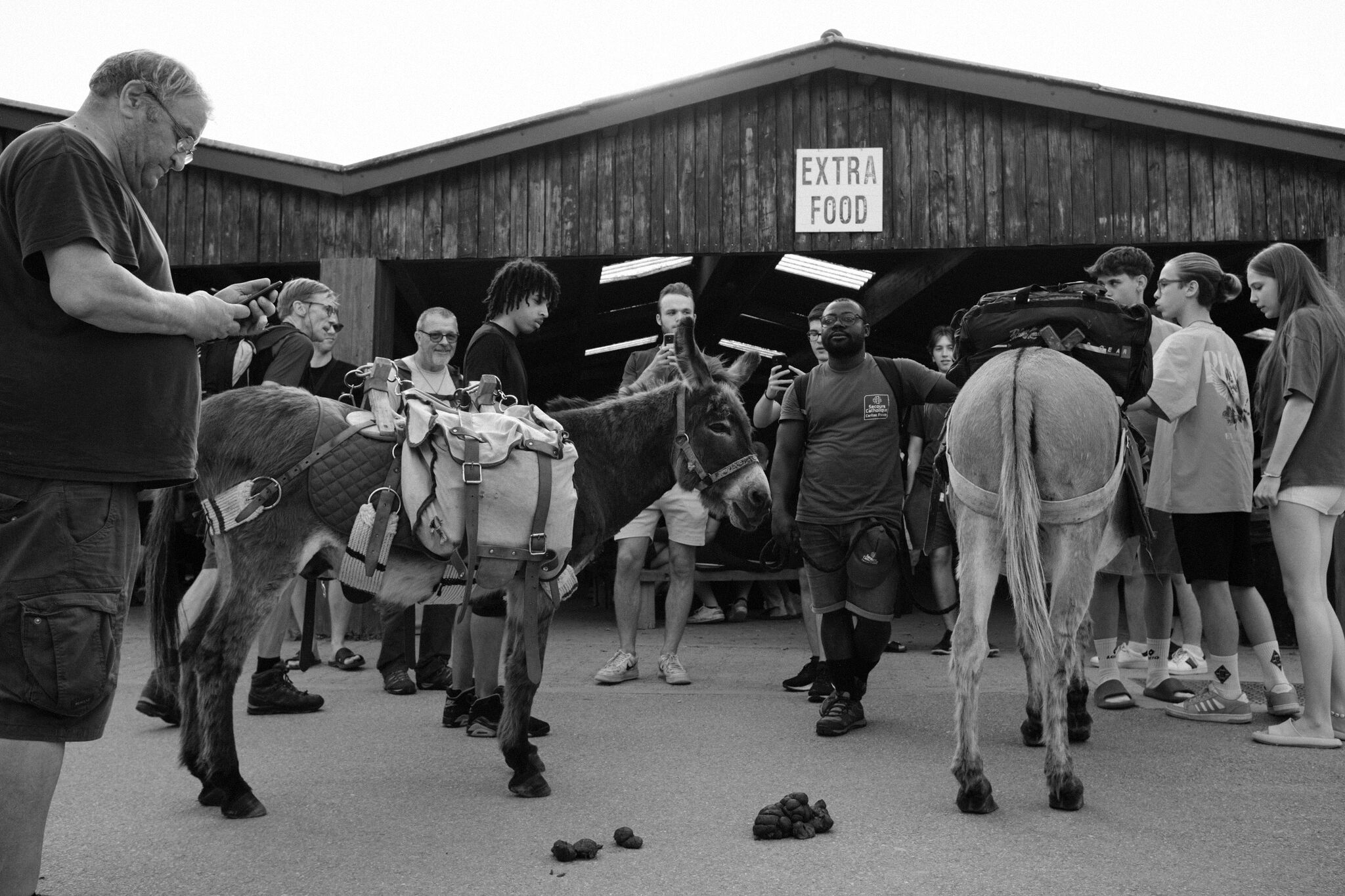
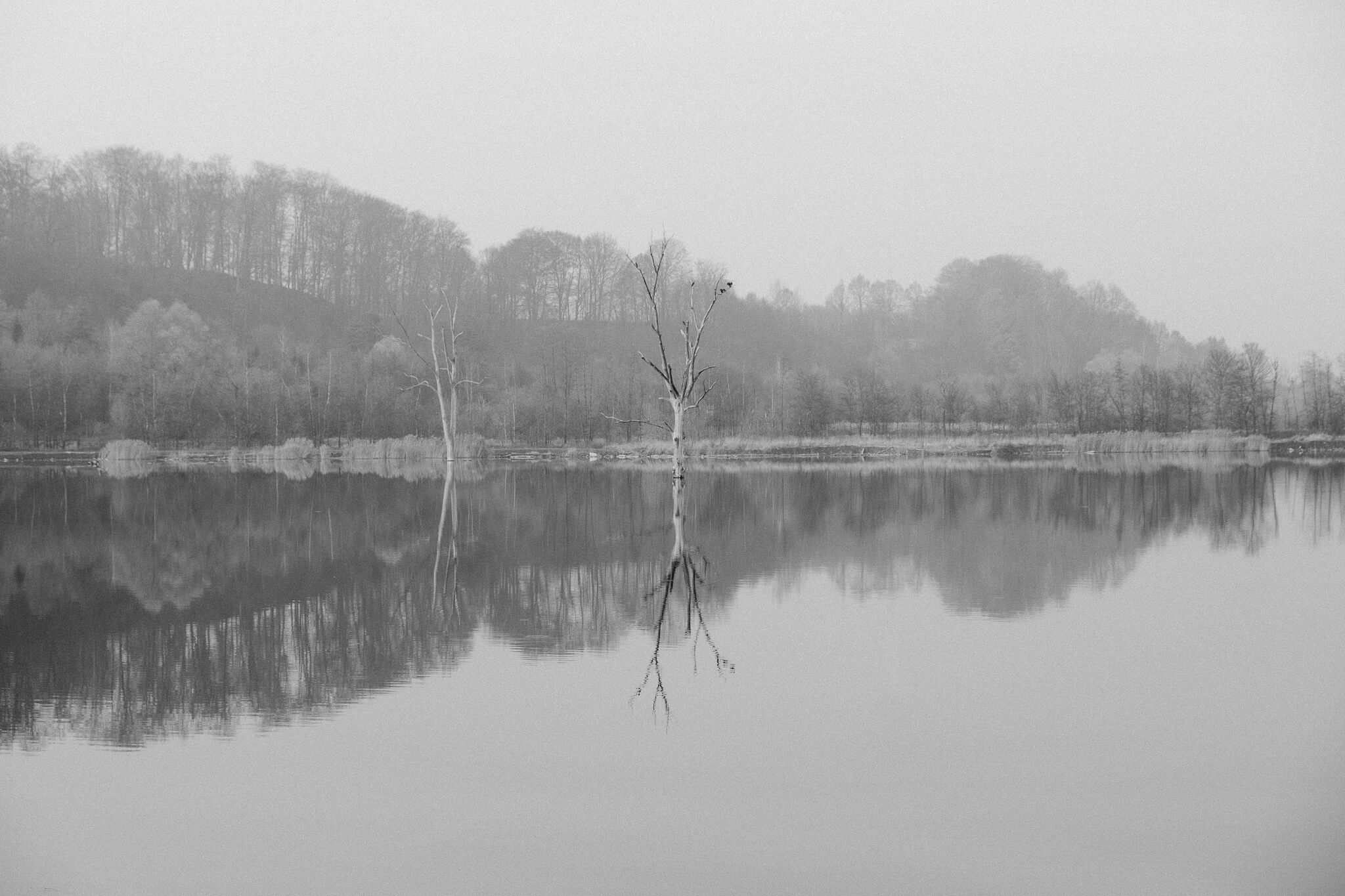
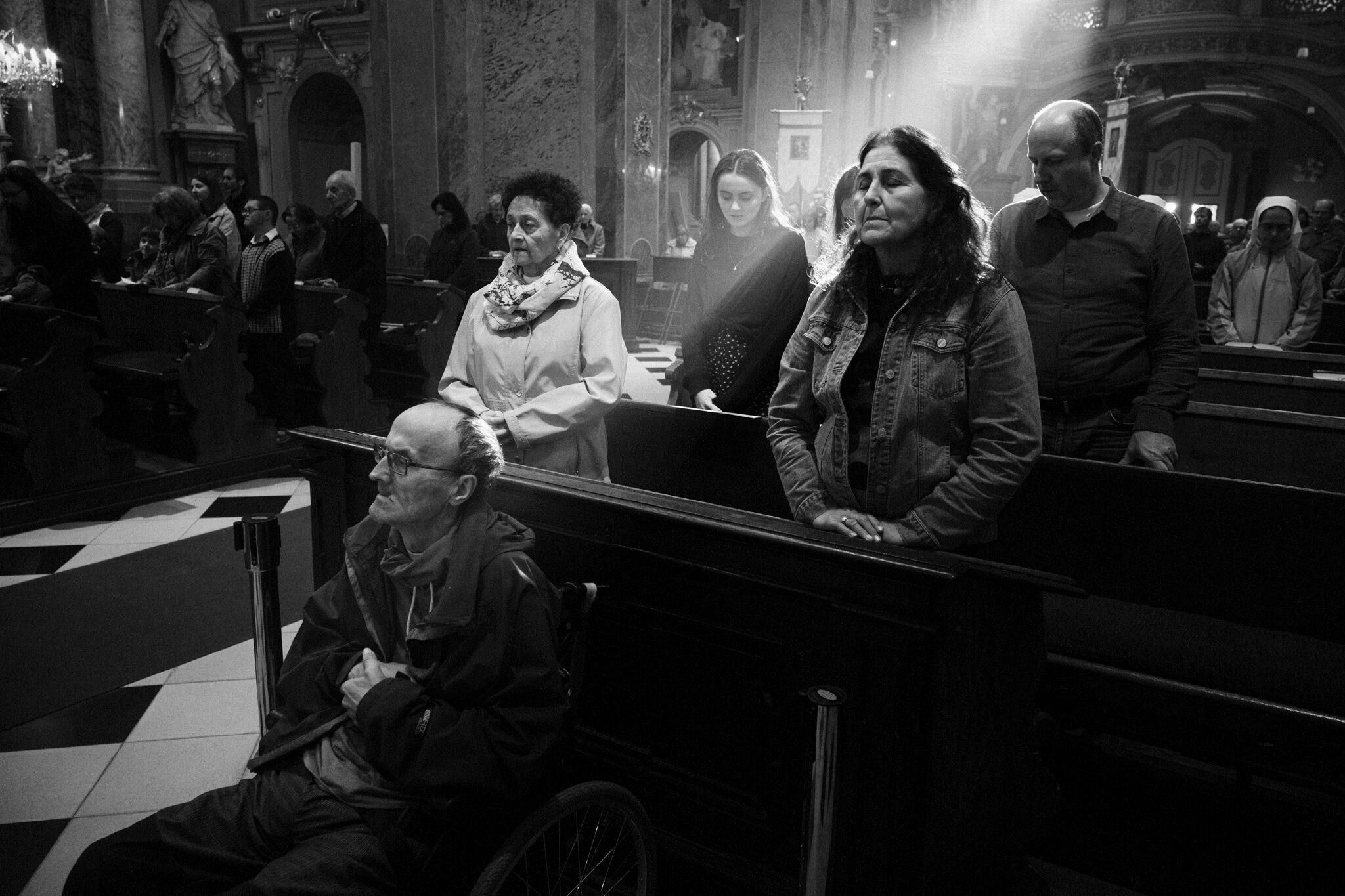
If someone feels that anyone can do a photography and that there are so many of them everywhere that they don’t even enjoy looking at them, or, conversely, that artistic photography is too intellectual and just pretends to be something it isn’t, I ask whether that person has given sufficient consideration to the content. If not, what is stopping them? Perhaps it is a distaste resulting from an overload of appealing instant filters, where the viewer would not even think to look for any other meaning. Form completely overshadows content.
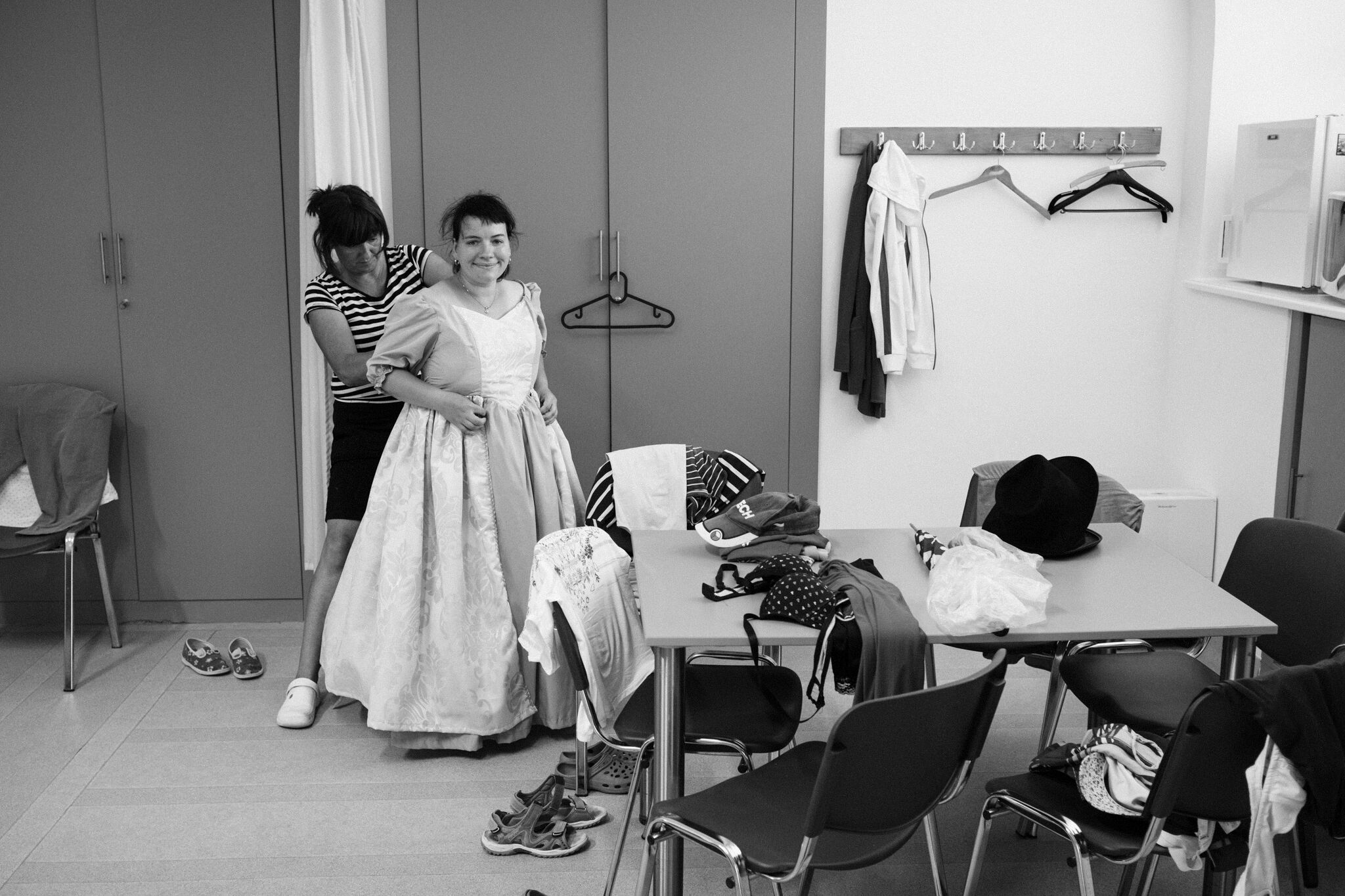
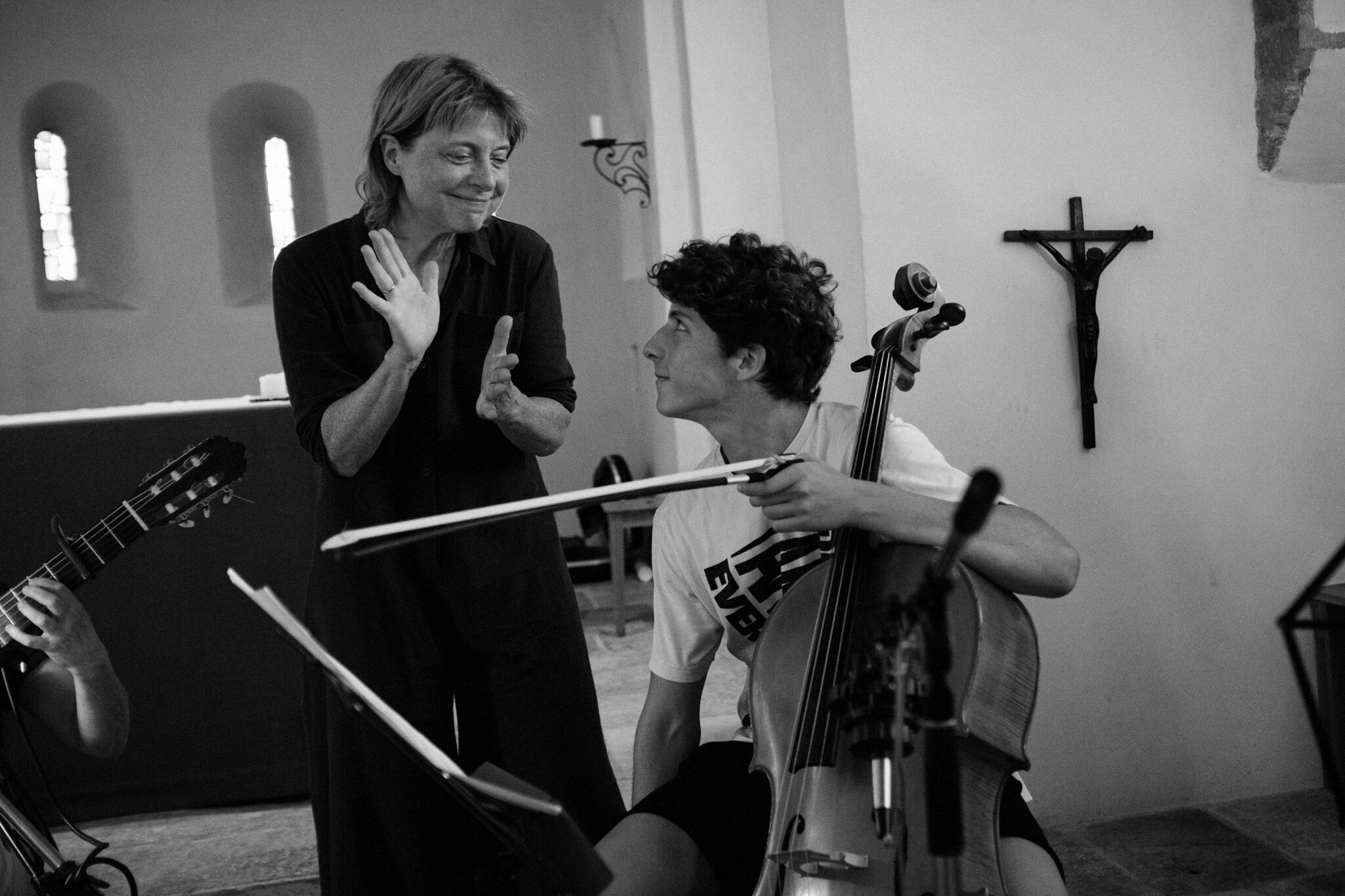
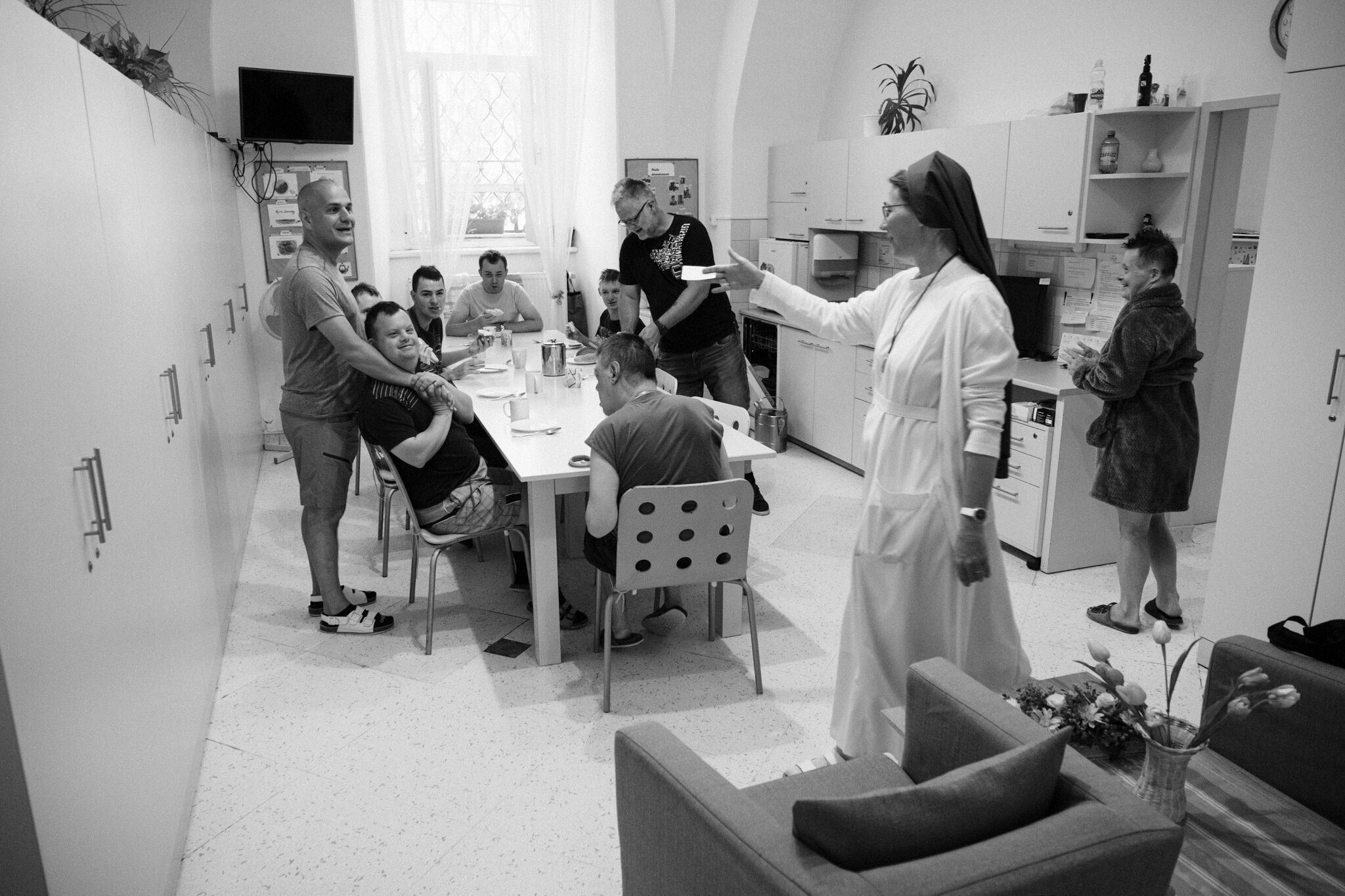
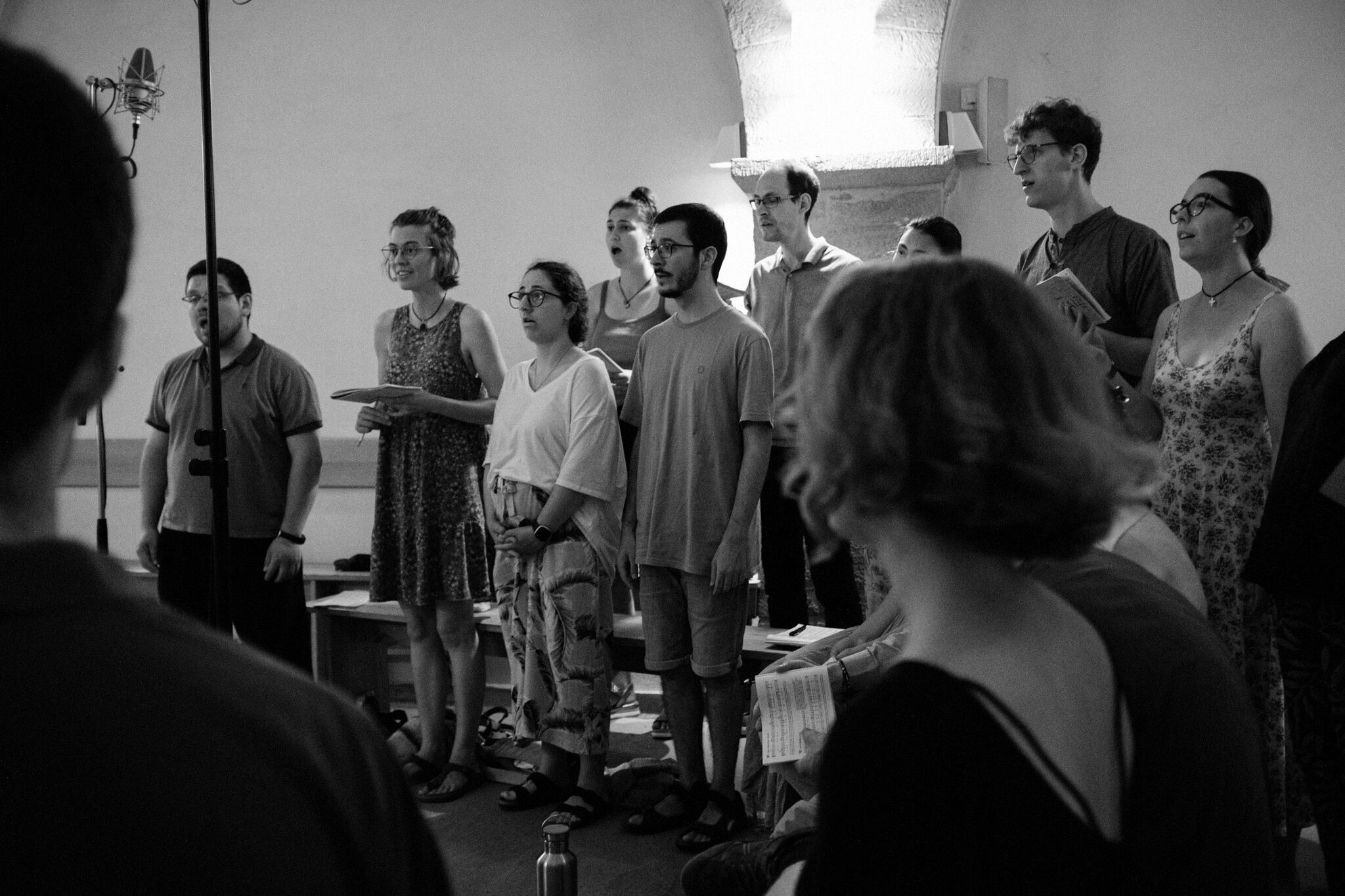
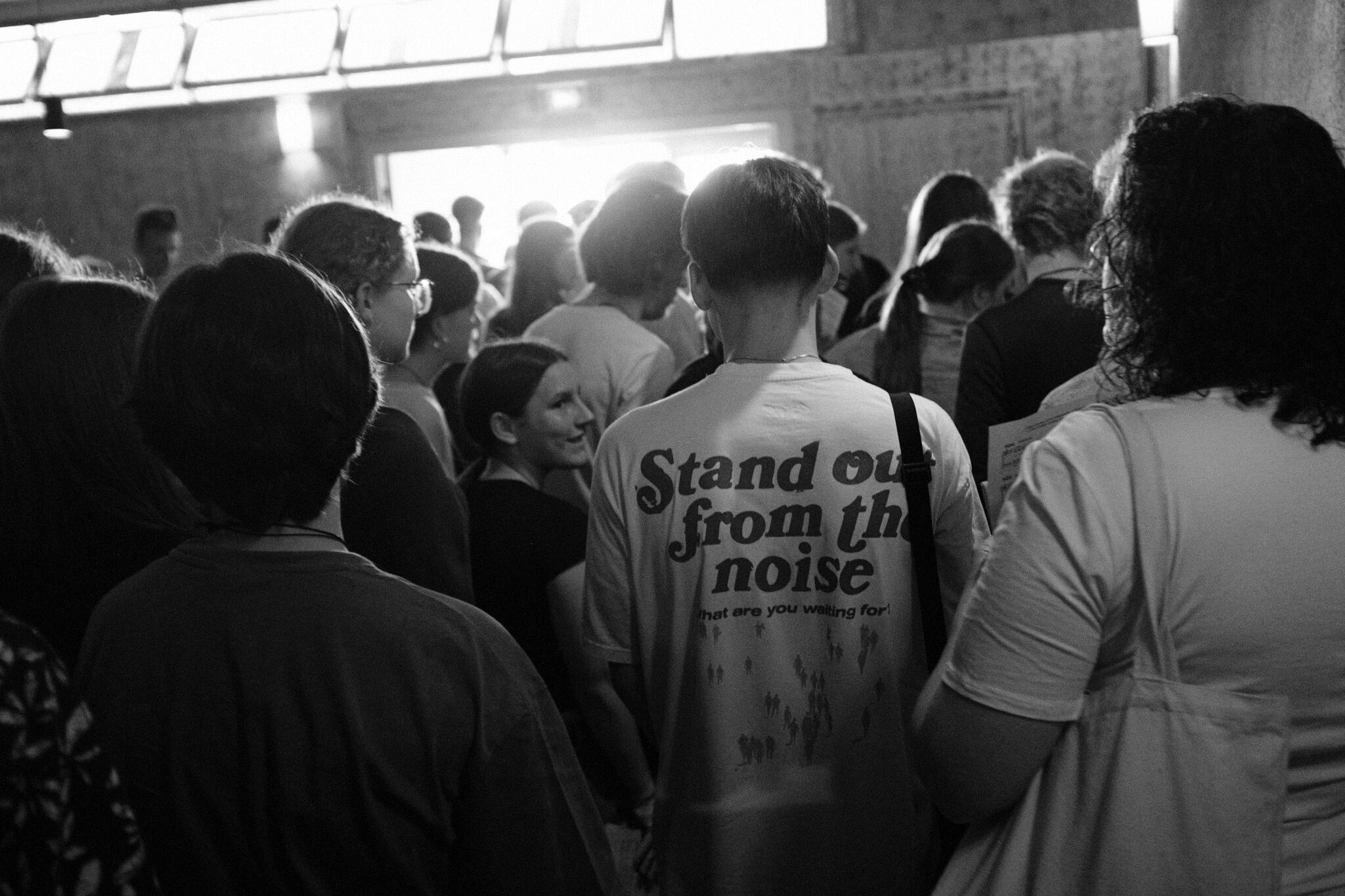
Black-and-white previews during reportage photography allow me to focus more on capturing the moment, in which relationships, emotions, or expressions are important. I am not distracted by different color temperatures of light sources or the flashy dress of the lady in the background. On the contrary, I am better able to use composition and natural lines that lead to a specific theme. What might be distracting in color photography becomes a supporting element in black and white. We are used to perceiving the world in color, but we often miss details that the black and white palette reveals.
I also have more freedom with regard to the limitations of camera. When shooting in poor lighting conditions, I am not so constrained by the amount of noise, which suits black-and-white photography and which we have historically become accustomed to. How many old and well-known black-and-white photographs make us say at first glance, „There’s too much grain!“ or „The dynamic range isn’t great.“ or „It’s blurry here!“? After all, we are interested in the content, which is the added value of photography. A nice form is just a kind of superstructure. Therefore, we cannot say that black-and-white photography will make better image from a bad color one.
„Its not a reality.“
Reproducing reality is not my goal. I see no point in repeating what has already been captured. A typical example would be travel photography. On the web I can easily find well-known places photographed by millions in the past, rather than adding more to my portfolio. These clear boundaries shape the style I seek while traveling. I don’t even feel remorse for presenting this or that place „only“ in black and white.
„You’re limiting yourself too much.“
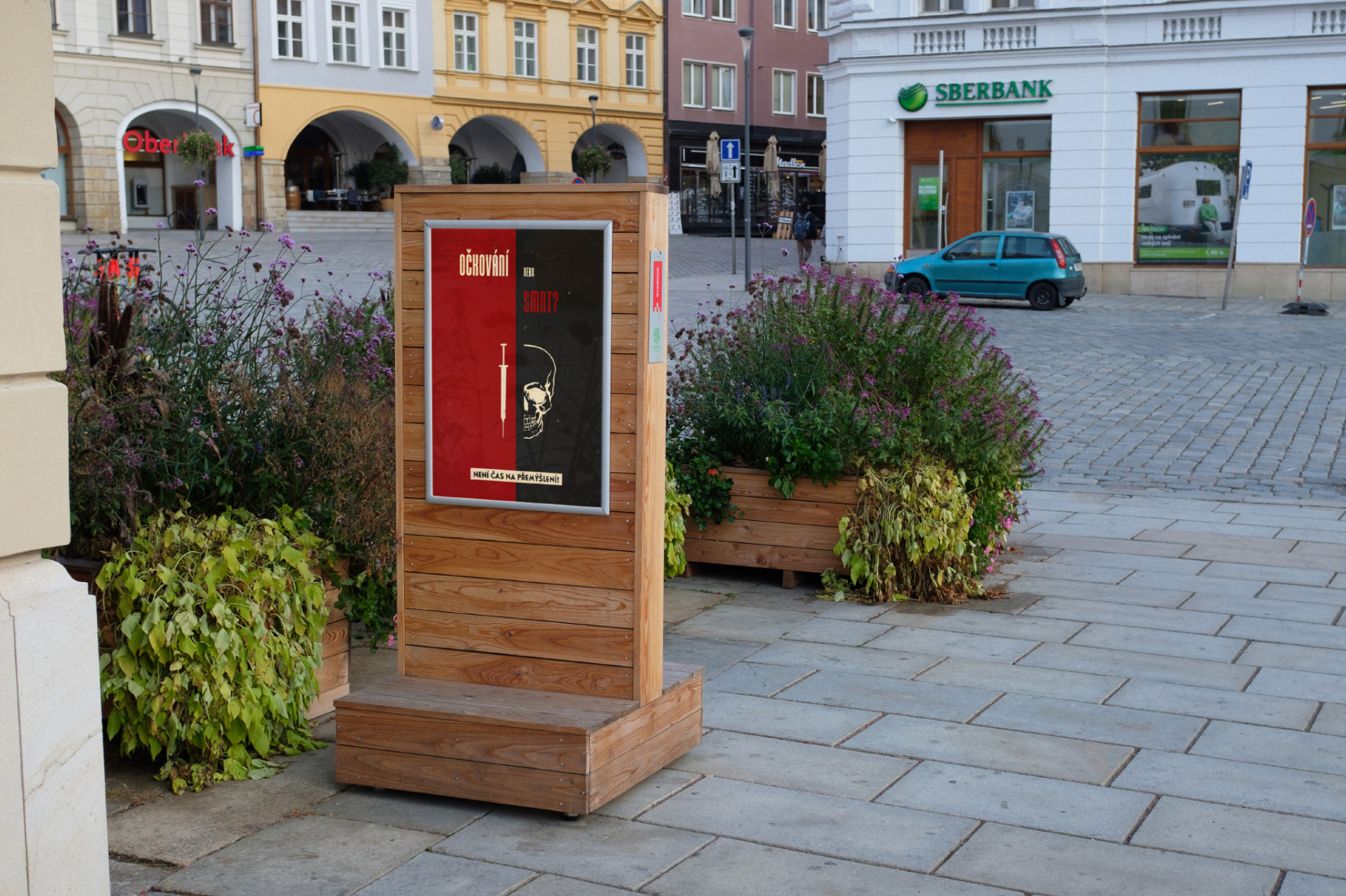
I am not strict about black and white. I choose color when the lighting conditions are optimal and the content clearly calls for it. However, it should be noted that color post-production is more time-consuming and can be exhausting when processing large amounts of material. Shades of gray allow for more radical adjustments without being noticed by the average viewer. We can identify unwanted colors very quickly, whether by unbalanced the white or fighting with different colored light sources in the scene. Color limited to a gray palette defines the intensity of individual color channels, i.e., their brightness. Working with contrast and curves thus offers completely new possibilities for emphasizing the captured moment. Local adjustments to exposure in shadows and highlights are easier. White balance or skin tone correction suddenly becomes a creative element rather than a necessary routine.
Black-and-white photography is timeless because it does not age and is not easily influenced by trends. This is especially true in the age of instant grams and filters that mask the technical limitations of sensors. Faded shadows, exaggerated contrast, and high saturation are nothing more than a mask for the poor dynamic range of miniature chips. When I look back at my older work, I sometimes shake my head at the color creations I made at the time. But it’s a process that everyone has to go through on their own. The black-and-white world has imaginary boundaries that keep creative excesses in check.


„Why not take full advantage of today’s technology?“
I believe that technology should serve me, not the other way. Every creator gradually develops a certain style, and it becomes clear whether they serve the tool or the tool serves them.
All this shows that black-and-white photography is not merely a nostalgic throwback or an attempt to mask photographic amateurism. Perhaps one day, when looking at my photos, my grandchildren will not be ashamed and will take away something from the era I am documenting.
More articles